
How to Plan a Trip to Morocco: Your Essential 10-Step Guide
Planning a trip to Morocco can be both exciting and overwhelming, especially if you’re unfamiliar with the country’s vibrant culture, diverse landscapes, and unique traditions. If you’re asking yourself, “How to plan a trip to Morocco,” you’re in the right place.
This ultimate guide will walk you through every step needed to craft an unforgettable Moroccan adventure.
From choosing the best time to visit, budgeting wisely, to discovering must-see destinations, this guide is your go-to resource.
Whether you’re a first-time visitor or a seasoned traveler, understanding the essentials of Moroccan travel planning will ensure your trip is smooth, enjoyable, and filled with authentic experiences.
So, let’s dive into how to plan a trip to Morocco with confidence and ease.
How to Plan a Trip to Morocco: Your Essential 10-Step Guide
Planning a trip to Morocco involves several key steps that ensure you make the most of your visit.
The first step is defining your travel goals—whether you want to explore the bustling markets of Marrakech, relax on the beaches of Essaouira, or take a desert safari.
Once you have your objectives, the next phase is setting a realistic budget.
This helps determine your accommodation choices, transportation, and activities.
The third step involves researching the best routes and creating a flexible itinerary that balances sightseeing with leisure.
When you’re figuring out how to plan a trip to Morocco, it’s crucial to consider transportation options.
Morocco has a well-developed network of trains, buses, and private transfers, which makes getting around easier.
Booking your flights early can also save you money, especially if traveling during peak seasons.
The next step is securing your accommodation—ranging from luxury riads to budget hostels—based on your comfort preferences and budget.
Finally, familiarize yourself with Moroccan customs, dress codes, and local etiquette to ensure respectful and enjoyable interactions.
In addition, planning for health and safety is vital. Check vaccination requirements and travel insurance policies before departure.
It’s also wise to learn some basic Arabic or French phrases, as these are widely spoken languages.
As you plan your trip to Morocco, remember to include some free time for spontaneous adventures—these often turn out to be the most memorable moments.
 How to Plan a Trip to Morocco: Tips for Budgeting Your Adventure
 How to Plan a Trip to Morocco:
 Budgeting your trip to Morocco is an essential part of planning to ensure you enjoy your trip without financial stress. When considering how to plan a trip to Morocco, understanding the costs involved is crucial.
The country offers a wide range of options, from budget-friendly hostels to luxury riads, making it accessible to all travelers.
To start, set a daily budget based on accommodation, food, transportation, and activities.
This helps you keep track and avoid overspending during your Moroccan adventure.
One of the best tips for budgeting your Moroccan trip is to prioritize experiences over luxury.
For instance, exploring local markets and street food offers authentic tastes at a fraction of the cost of dining in high-end restaurants.
Public transportation, such as trains and buses, is also affordable and efficient, reducing travel expenses.
If you’re interested in guided tours or excursions, compare prices and book in advance, especially during peak seasons, to secure better deals.
Advice for Setting a Budget for Your Journey
Additionally, consider staying in guesthouses or homestays, which often provide cultural immersion at lower prices.
Another key aspect of budgeting your trip to Morocco is planning for extra expenses, like tips, souvenirs, and entrance fees for attractions.
Always carry some cash in local currency (Moroccan Dirham) as many small vendors do not accept cards.
For longer trips, booking your accommodation and transportation early can save you a significant amount.
Using local travel agencies like Tilila Travel can also offer package deals that include transportation, tours, and accommodations, providing great value.
Remember, with proper planning, you can enjoy Morocco’s rich culture and landscapes without breaking the bank.
Finally, keep an eye out for seasonal discounts and off-peak travel deals. Visiting Morocco outside of the high season (generally summer and major holidays) can significantly reduce costs.
Being flexible with your travel dates allows you to take advantage of lower prices and fewer crowds.
Choosing the Best Time to Visit Morocco for Memorable Experiences
Deciding when to visit Morocco is one of the most important factors in planning your trip. The best time to plan a trip to Morocco depends on your preferred activities and the climate you enjoy.
Generally, spring (March to May) and fall (September to November) are considered the best seasons to visit, offering mild temperatures and vibrant landscapes.
During these months, you can comfortably explore cities, hike in mountains, and experience outdoor adventures without the extreme heat or cold.
If you’re wondering how to plan a trip to Morocco for cultural festivals, timing your visit around events like the Marrakech International Film Festival or the Rose Festival in Kelaat M’Gouna can enhance your experience.
These festivals showcase Morocco’s rich traditions and arts, providing unique opportunities to engage with local culture.
However, avoid traveling during peak summer months (June to August) if you prefer cooler weather, as temperatures can soar above 40°C in some regions, especially in the Sahara.
For those seeking a beach holiday or Morocco desert tours excursions, the best time is during spring or fall when the weather is warm but not scorching.
Coastal cities like Essaouira and Agadir are particularly pleasant during these seasons.
Conversely, winter (December to February) can be a great time for trekking in the Atlas Mountains or exploring Morocco’s scenic valleys.
Just be prepared for cooler evenings and potential rain in some areas.
To plan your trip effectively, check local weather forecasts and regional events calendars to optimize your travel dates.
Ultimately, the best time to plan a trip to Morocco hinges on your interests—whether it’s cultural festivals, outdoor adventures, or relaxing beach days.
Must-See Destinations in Morocco You Can’t Miss
When planning how to plan a trip to Morocco, selecting the right destinations is crucial. Morocco is a country of diverse landscapes and vibrant cultures, offering a variety of must-see attractions.
Start your journey in Marrakech, the country’s bustling city known for its lively souks, stunning palaces, and vibrant nightlife.
The iconic Jemaa el-Fnaa square is a hub of activity, offering street performers, food stalls, and traditional music—perfect for immersing yourself in Moroccan culture.
Next, venture into the Sahara Desert for an unforgettable experience. You can take a camel trek to sleep under the stars in a desert camp, a highlight for many travelers.
The dunes of Erg Chebbi and Erg Chigaga are among the most famous, offering spectacular scenery and unique photo opportunities.
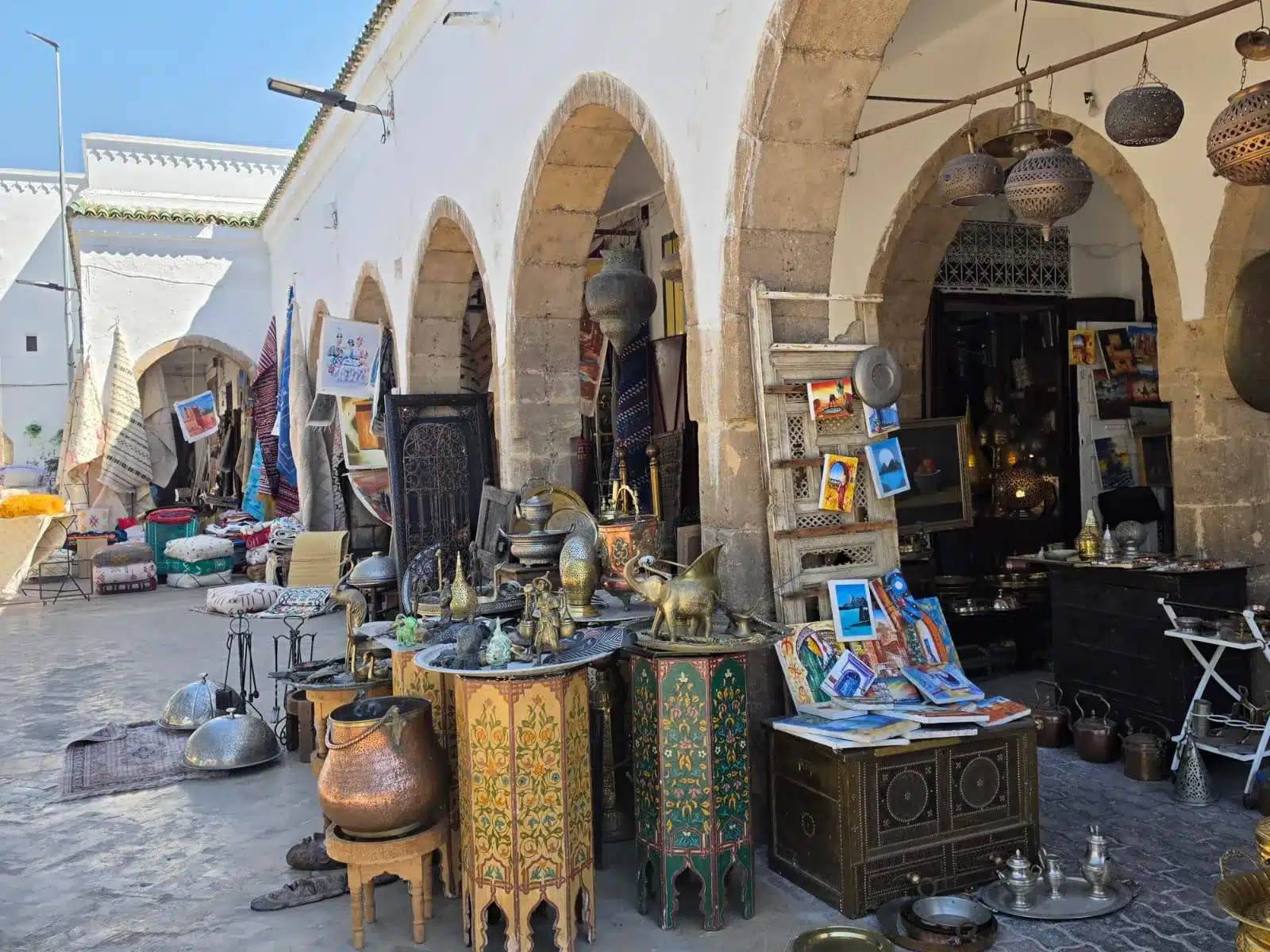
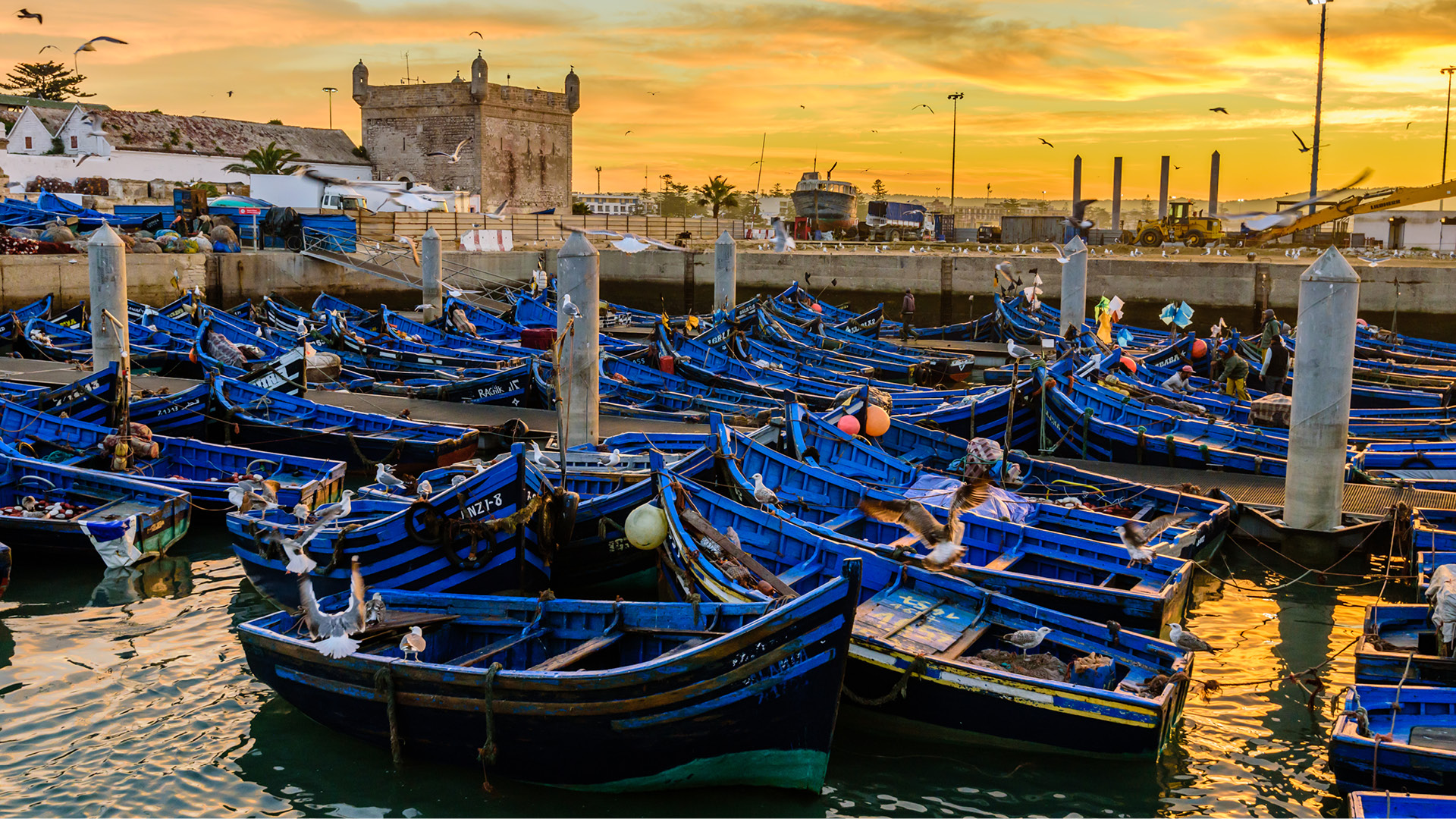
For a more relaxed coastal experience, visit Essaouira, a charming port town with historic medina walls, fresh seafood, and breezy beaches.
No trip to Morocco is complete without exploring the historic city of Fez, home to one of the world’s oldest medinas. Its labyrinthine streets and traditional tanneries provide a window into Morocco’s ancient crafts.
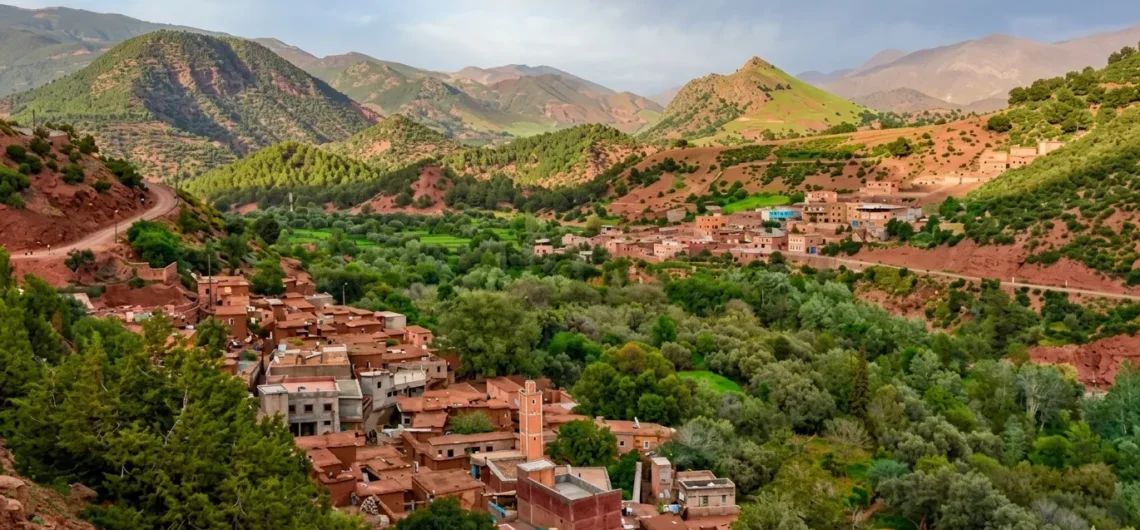
The Atlas Mountains also offer breathtaking views and opportunities for hiking, skiing, and visiting Berber villages. Finally, don’t miss Chefchaouen, the Blue City, famous for its stunning blue-painted streets and relaxed vibe.
These destinations collectively define the essential Morocco experience you can’t afford to miss.
Planning your itinerary around these highlights will ensure you see the best of Morocco. Each city and region offers unique cultural insights and scenic beauty, making your trip truly memorable.
 How to Navigate Moroccan Culture and Local Customs
 How to Navigate Moroccan Culture and Local Customs
Understanding Moroccan culture and local customs is vital when planning a trip to Morocco.
Respectful behavior and cultural sensitivity will enhance your experience and foster positive interactions with locals. First, dress modestly, especially when visiting religious sites or rural areas.
Women should consider covering their shoulders and knees, while men should avoid wearing sleeveless shirts or shorts in conservative settings.
Learning some basic Arabic or French phrases can go a long way in building rapport with Moroccans. Simple greetings like “Salam” (peace) or “Bonjour” (hello) show respect for local customs.
Additionally, always ask permission before taking photos of people or their property—this is a sign of politeness and respect.
When visiting markets or souks, bargaining is common, but always do so with a friendly attitude to avoid misunderstandings.
Respect for religious traditions is also essential. During Ramadan, be mindful of fasting hours and avoid eating or drinking in public during daylight.
Visiting mosques or religious sites requires appropriate attire, and women should wear headscarves if required.
Moroccan hospitality is renowned—accepting invitations or sharing a meal can be a wonderful way to experience local life.
By immersing yourself respectfully, you’ll gain deeper insights into Morocco’s rich cultural tapestry.
Finally, familiarize yourself with local etiquette around tipping, which is customary in restaurants, hotels, and for guides.
A small tip shows appreciation and respect for service providers.
Planning Your trip to Moroccan Itinerary: What to Include and Avoid
Creating an effective itinerary is key to making the most of your trip to Morocco. When planning how to plan a trip to Morocco, consider including a mix of cultural, natural, and leisure activities.
Start with major cities like Marrakech and Fez for their historical sites, markets, and vibrant atmosphere.
Allocate at least two days in each city to explore landmarks like the Bahia Palace, Medersa Bou Inania, and the bustling souks.
Incorporate a visit to the Atlas Mountains for hiking or exploring Berber villages, offering a change of scenery from city life.
A desert excursion to Erg Chebbi or Erg Chigaga provides an authentic Sahara experience.
Coastal towns such as Essaouira or Agadir are perfect for relaxing on the beach or enjoying fresh seafood.
Be sure to include some downtime to absorb the local ambiance and spontaneous encounters.
However, there are some things to avoid when planning your itinerary. Overloading your schedule can lead to exhaustion and diminish the quality of your experience.
Avoid trying to see too many destinations in a short time—Morocco’s charm is in its diverse regions, not rushing through them.
Also, steer clear of tourist traps that offer overpriced tours or souvenirs; instead, seek authentic experiences through local guides or trusted agencies like Tilila Travel.
An organized yet flexible itinerary allows you to adapt to unexpected opportunities or weather changes.
Always leave room for spontaneity, like discovering a hidden café or joining a local festival.
Planning thoughtfully will ensure your Moroccan trip is balanced, immersive, and memorable.
Essential Packing Tips for trip to Moroccan
Packing wisely is crucial when planning a trip to Morocco.
The country’s diverse climates demand a versatile wardrobe that can adapt to city streets, mountain hikes, or desert nights.
Start with lightweight, breathable clothing suitable for hot days, but also pack layers for cooler evenings and higher altitudes.
Modest attire is recommended—women should consider scarves and long skirts or pants, especially when visiting religious sites.
Don’t forget comfortable walking shoes for exploring medinas and historic sites.
A hat, sunglasses, and sunscreen are essential for protection against the strong sun, particularly in desert regions.
A small backpack or day bag is convenient for daily excursions, carrying essentials like water, snacks, and camera gear.
For the desert, a warm jacket or blanket can keep you comfortable during chilly nights.
Travel essentials should also include a universal power adapter, a basic first aid kit, and copies of your travel documents.
If you plan to visit rural areas, consider carrying cash in Moroccan Dirhams, as card payment options are limited in some locations.
Additionally, packing a guidebook or offline maps can be helpful for navigation, especially in remote regions.
Lastly, be mindful of local customs when packing souvenirs; avoid items that may be culturally sensitive or illegal, like certain animal products.
Proper packing ensures a comfortable, respectful, and enjoyable Moroccan adventure.
Safety Tips and Travel Precautions in Morocco
Ensuring safety is a top priority when planning how to plan a trip to Morocco.
While Morocco is generally safe for tourists, being cautious and prepared helps avoid unnecessary issues.
Always keep your valuables secure, especially in crowded markets and tourist areas, to prevent pickpocketing.
Use hotel safes or carry money and passports in a secure, concealed bag.
Stay aware of your surroundings and avoid poorly lit or isolated areas at night. It’s advisable to stick to well-known tourist zones and use reputable transportation services.
When booking tours or excursions, choose licensed operators like Tilila Travel to ensure safety standards are met.
Health precautions include drinking bottled water and avoiding raw or undercooked foods, which can help prevent travelers’ illnesses.
Travel insurance is essential—covering medical emergencies, trip cancellations, or lost belongings provides peace of mind.
Check travel advisories from your government before departure and register with your embassy if necessary.
Respect local laws and customs; for example, photographing military or government buildings is prohibited.
Lastly, familiarize yourself with emergency contacts, including local police, hospitals, and your embassy.
Morocco’s diverse terrain and vibrant culture make it a fantastic destination, but prudence and awareness ensure a safe and enjoyable trip.
How to Book Authentic Moroccan Tours and Experiences
Securing authentic tours and experiences is a vital part of the planning process when visiting Morocco. Booking through reputable agencies like Tilila Travel guarantees quality, safety, and genuine cultural immersion.
Authentic Moroccan tours often include guided visits to historical sites, traditional cooking classes, desert adventures, and local craft workshops.
These experiences deepen your understanding of Moroccan culture and traditions.
When planning how to plan a trip to Morocco, research different tour options to find those that match your interests and travel style.
Read reviews, compare prices, and ensure the operator is licensed and experienced. Many local guides are passionate about sharing their heritage and can offer insider insights that you won’t find elsewhere. Booking in advance ensures availability during peak travel seasons.
For a truly authentic experience, look for small-group or private tours that allow personalized attention and cultural interaction.
Consider exploring Morocco’s lesser-known regions with specialized guides—these often provide richer, more meaningful encounters.
Additionally, participating in local festivals or community-led events can be a highlight of your trip.
Lastly, always clarify what is included in your tour package—meals, transportation, entrance fees—and ask about customizable options.
To explore curated Moroccan experiences, visit Tilila Travel, your trusted partner for authentic and memorable Moroccan adventures.
Final Checklist: Preparing for Your Unforgettable Moroccan Trip
Preparing thoroughly ensures your Moroccan adventure goes smoothly and is truly unforgettable. Before departure, double-check your travel documents, visas, and vaccination requirements.
Packing thoughtfully based on the weather, activities, and cultural norms is essential. Remember to carry copies of your passport, travel insurance, and important contacts.
Make arrangements for airport transfers, either through your hotel or trusted transportation providers like Tilila Travel.
Confirm your accommodation bookings and any pre-arranged tours or activities. It’s also wise to have a list of local emergency numbers and the address of your embassy.
Download offline maps and useful travel apps to navigate Morocco easily.
Familiarize yourself with Moroccan customs, tipping practices, and basic phrases to foster respectful interactions. Learn about local festivals, markets, and dining etiquette to enrich your cultural experience.
Keep some cash in Moroccan Dirhams for small purchases and tips, but also have card options for larger expenses.
Lastly, plan some free time in your itinerary for spontaneous adventures—these often become the most memorable parts of your trip.
With all preparations in place, you’re ready for an incredible journey through Morocco.
 FAQ: People Also Ask About Planning a Trip to Morocco
 FAQ: People Also Ask About Planning a Trip to Morocco
Q1: What is the best time to visit Morocco?
A1: The best time to visit Morocco is during spring (March to May) and fall (September to November) when the weather is mild and comfortable for sightseeing and outdoor activities.
Q2: How much does a trip to Morocco typically cost?
A2: The cost varies depending on your travel style, but budget travelers can expect to spend around $50-$100 per day, while luxury trips may exceed $300 daily. Planning ahead helps optimize your budget.
Q3: Do I need a visa to do trip to Morocco?
A3: Visa requirements depend on your nationality. Many countries, including the US and EU nations, can enter Morocco visa-free for up to 90 days. Check with your local embassy for specific details.
Q4: Is Morocco safe for tourists?
A4: Yes, Morocco is generally safe for tourists. However, it’s important to stay vigilant, especially in crowded areas, and to follow local customs and travel advisories.
Q5: How do I get around trip in Morocco?
A5: Morocco has an extensive train and bus network, and private taxis or transfers are also available. For convenience, many travelers book guided tours or transfers through agencies like Tilila Travel.