
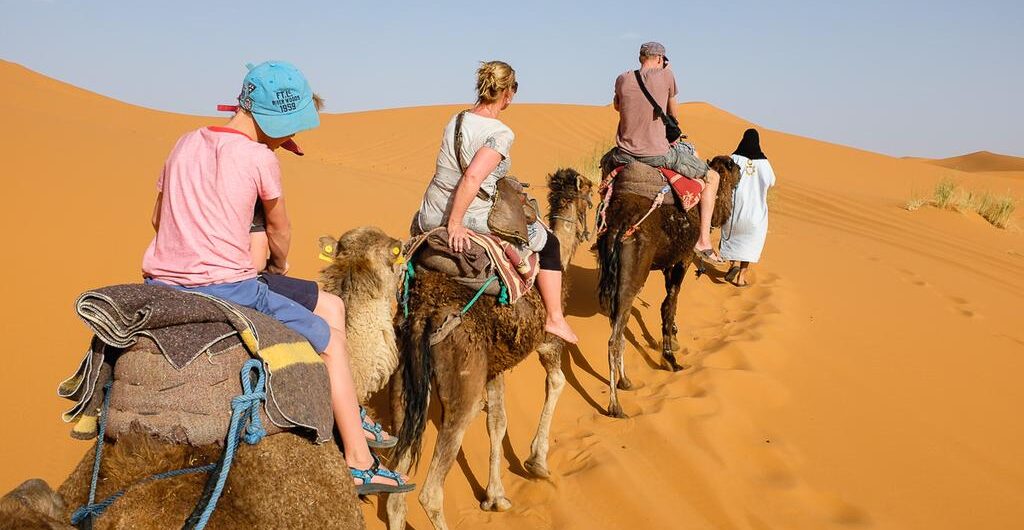
The best time to travel to Morocco determines everything, your comfort, your experiences, and the memories you bring home. Morocco packs Mediterranean coastlines, snow-capped Atlas peaks, ancient imperial medinas, and the endless Sahara Desert into one extraordinary country. Each region behaves differently across every season.
At Tilila Travel, we design private Morocco tours for discerning travelers who want more than a standard holiday. We know exactly which months unlock golden Sahara sunrises, blooming rose valleys, and peaceful medina mornings. Read this complete guide and plan your Morocco journey with total confidence.
Best Time to Travel to Morocco at a Glance
You want the short answer first we get it. March to May and September to November deliver the best overall experience across all of Morocco. These shoulder seasons give you warm, comfortable temperatures from the imperial cities of Fez and Marrakech all the way to the Sahara dunes and the High Atlas peaks.
Use this seasonal snapshot to plan your trip:
- Spring (March–May): Best overall season. Temperatures are ideal, wildflowers cover the valleys, and cultural festivals fill the calendar.
- Summer (June–August): Atlantic coast beaches shine. Avoid Marrakech and the Sahara unless you thrive in extreme heat.
- Autumn (September–November): Second-best season overall. Perfect for Sahara Desert trekking, camel rides at dusk, and crisp medina mornings.
- Winter (December–February): Best season for budget travelers, peaceful medinas, and Agadir beach escapes. Some Atlas Mountain snowfall adds adventure.
Still not sure which season suits you best? Read on. We break down every month, every region, and every travel style in detail below.
Why 2027–2028 Is the Perfect Time to Visit Morocco?
Morocco stands in a golden era of tourism. New luxury riads open regularly in the medinas of Fez and Marrakech. Upgraded eco-conscious desert camps in Merzouga now blend sustainable design with five-star comfort. Direct international flights from Europe, North America, and the Gulf keep expanding making Morocco more accessible than at any point in recent history.
In 2027 and 2028, Morocco builds on its reputation as Africa’s most visited destination. The government continues investing in boutique accommodation, sustainable travel infrastructure, and authentic cultural programming. Travelers who arrive in these years discover a Morocco that honors deep tradition while delivering increasingly sophisticated experiences.
Morocco’s tourism landscape in 2027–2028 also rewards early planners. The finest riads, premium desert camps, and top-rated private guides book up months in advance especially for spring and autumn travel. Tilila Travel’s bespoke Morocco tours for 2027–2028 are now open for reservations. Contact our team today to secure your preferred dates before peak windows fill.
Morocco Climate Overview: Weather by Region
Morocco stretches across a remarkable diversity of climates for a country of its size. The Atlantic coast stays mild and breezy throughout the year. The Mediterranean north receives warm, wet winters and dry summers. The pre-Saharan south bakes under summer intensity. The High Atlas Mountains even gather snow between November and April.
Understanding Morocco’s regional weather patterns gives you a decisive advantage before you book. Here is a complete breakdown:
Marrakech Weather and Best Time to Visit Marrakech
Marrakech sits at the foot of the Atlas Mountains on the semi-arid Haouz plain. This position creates one of Morocco’s most dramatic climate extremes. Summer temperatures regularly smash 40°C (104°F) throughout July and August. Winters stay mild during the day around 18°C (64°F) — but temperatures can drop near freezing after dark.
The best time to visit Marrakech is March through May and October through November. Daytime temperatures during these windows hover between 22°C and 30°C (72–86°F) ideal for wandering the souks, exploring Bahia Palace, and lingering in the Jemaa el-Fna square at sunset. The iconic Majorelle Garden reaches peak lushness in spring. Autumn turns Marrakech’s famous pink walls a stunning amber-gold in the afternoon light.
Rainfall in Marrakech stays low all year, so you rarely need to pack for rain. Hot Saharan winds locally called the chergui sometimes sweep through in late spring, reducing visibility and raising temperatures sharply. These dust events typically pass within a day or two.
Key Marrakech weather facts:
- Best months: March, April, May, October, November
- Peak heat: July–August (38–42°C / 100–108°F)
- Coolest nights: December–January (4–8°C / 39–46°F)
- Rainfall: Very low year-round
Fez and Imperial Cities Climate Guide
Together, Fes, Meknes, Rabat, and Marrakech form Morocco’s four imperial cities, each with its own distinct microclimate. Located in a river valley in northern Morocco, Fez experiences a true continental Mediterranean climate. Summers grow hot and dry, with July temperatures reaching 35–40°C (95–104°F). Winters turn cool and wet, with rain falling between November and February. Rabat, perched on the Atlantic coast, stays milder and more moderate throughout the entire year.
The best time to visit Fez and the imperial cities is April, May, October, and early November. In spring, the famous leather tanneries of Fez al-Bali burst with vibrant dye colors. Cool mornings encourage long, unhurried walks through the world’s largest car-free urban zone. In autumn, the medinas buzz with post-summer energy while daytime temperatures remain beautifully comfortable typically 22–28°C (72–82°F).
If you want to visit the Fes Festival of World Sacred Music, plan your imperial cities itinerary for late May through early June. This world-class cultural event transforms Fez into a global stage and represents one of Morocco’s finest travel experiences of the entire year.
Sahara Desert (Merzouga & Erg Chebbi) Weather Guide
The Sahara Desert region — anchored by the town of Merzouga and the magnificent Erg Chebbi dune field — runs on a hyper-arid climate with some of the world’s most dramatic daily temperature swings. Summer daytime temperatures regularly surge above 45°C (113°F), making camel trekking uncomfortable and genuinely dangerous for unprepared visitors. In contrast, winter nights in the desert can plunge below 0°C (32°F), creating a spectacular contrast against the warm afternoon sun.
The best time to visit the Sahara Desert in Morocco is October through April. Within this window, daytime temperatures range from 18°C to 30°C (64–86°F) perfect for sunset camel treks, starlit desert camping, and early-morning dune climbs. March and April add a remarkable bonus: desert wildflowers bloom across the flat hamada plains surrounding the Erg Chebbi dunes, painting the landscape with unexpected color.
Tilila Travel’s luxury desert camp partners operate their finest experiences private ensuite tents, gourmet Moroccan dinners, and Gnaoua music performances between October and April. Reserve your desert camp at least three to four months before traveling in peak months.
Atlas Mountains Weather and Trekking Seasons
The High Atlas Mountains home to Jebel Toubkal at 4,167m (13,671ft), the highest peak in North Africa operate on full alpine conditions. Snow covers the upper peaks from November through April, with the heaviest falls arriving in January and February. Popular trekking bases like the Ourika Valley and Imlil village can become temporarily inaccessible during deep winter snowfall.
The best time for Atlas Mountain trekking is May through June and September through October. Trails emerge clear of snow in late spring. Wildflowers carpet the high valleys. Berber villages welcome trekkers with freshly brewed mint tea and slow-cooked tagine. Autumn delivers crisp, clean air and views that sometimes stretch all the way to the Sahara on exceptionally clear days.
Summer months (July–August) remain viable at high altitude, though lower slopes warm up considerably. Winter offers breathtaking snowy mountain landscapes for experienced alpinists and mountaineers comfortable with technical conditions.
Atlantic Coast Weather in Essaouira and Agadir
The Atlantic coast delivers Morocco’s most consistently pleasant year-round weather. The cold Canary Current keeps temperatures beautifully moderate Essaouira rarely exceeds 25°C (77°F) even at the height of summer, while Agadir attracts European sun-seekers escaping grey northern winters thanks to reliable warm sunshine from December through February.
Essaouira’s reliable trade winds make it a world-class windsurfing and kitesurfing destination, especially from April through September when the coastal breeze peaks in intensity. Agadir’s sheltered bay catches far less wind, establishing it as Morocco’s top beach resort across all seasons. Nearly any month works well on the Atlantic coast, though June and July can feel surprisingly cool and breezy in Essaouira pack a light jacket even in midsummer.
Chefchaouen and Northern Morocco Climate
Chefchaouen Morocco’s legendary Blue City nestled deep in the Rif Mountains enjoys a mild Mediterranean-influenced climate that keeps it noticeably cooler than Marrakech or Fez even in peak summer. Winters bring cool temperatures and occasional rain between November and February. Summers stay warm and dry, typically reaching 25–30°C (77–86°F), moderated by the surrounding mountain air.
The best time to visit Chefchaouen is April through June and September through October. During these windows, the blue-painted streets glow in golden directional light, mountain trails invite hikers, and the town buzzes with energy without becoming overwhelming. Tangier and Tetouan, both also in northern Morocco, share a similar seasonal rhythm and pair perfectly with a Chefchaouen visit on any northern Morocco circuit.
Best Seasons to Visit Morocco
Spring (March to May): Best Overall Time to Travel to Morocco
Spring earns its title as the best overall time to travel to Morocco and the reasons stack up impressively. Temperatures across the country settle into a perfect range: warm enough for full outdoor exploration, cool enough for long medina walks without exhaustion. The landscape transforms dramatically. Almond and orange trees burst into blossom. Wildflowers paint the Atlas foothills in vivid color. The Dades Valley erupts in pink rose blossoms ahead of the famous Rose Festival in May.
Spring also delivers the widest simultaneous range of travel experiences. You can trek snow-free Atlas Mountain trails, ride camels through a comfortable Sahara, surf the Atlantic coast in good swells, and explore Marrakech’s historic palaces without wilting in summer heat all in the same two-week trip.
Festival season opens in spring, adding world-class music events and traditional Berber celebrations to any Morocco itinerary. First-time Morocco visitors and luxury travelers who want the full breadth of Moroccan experience consistently leave spring travel with the strongest memories. Tilila Travel recommends spring as the top season for bespoke private Morocco tours.
Summer (June to August): Best Time for Coastal Cities and Beaches
Summer in Morocco tells two very different stories depending on where you travel. In inland destinations Marrakech, Fez, Meknes summer heat becomes genuinely brutal. Temperatures regularly reach 38–42°C (100–108°F). The Sahara Desert in peak summer is extreme and not suitable for most travelers.
The Atlantic coast, however, thrives in summer. Ocean breezes keep Essaouira and Agadir pleasantly cool. Surf camps operate at maximum energy. Coastal towns between Rabat and Agadir fill with Moroccan families on summer holiday, offering you an authentic window into local culture that most tourists never see.
If you travel to Morocco in summer, position yourself on the coast and plan any inland visits for early morning hours before midday heat peaks. Inland city riad prices dip significantly in summer a hidden advantage for heat-tolerant travelers on a tighter budget who want to experience Morocco’s imperial cities at the lowest possible rates.
Autumn (September to November): Best Time to Visit Morocco and the Sahara Desert
Autumn rivals spring as Morocco’s finest travel season and many experienced Morocco travelers actually prefer it. September brings immediate relief from summer’s intensity. The Sahara Desert, dangerously hot in July and August, transforms into a landscape of golden dunes glowing under gentle, perfect-angled sun. October earns consistent recognition as the single best month to visit Morocco for balanced weather, desert access, and travel value.
Autumn light in Morocco is extraordinary. The low-angled sun turns Marrakech’s pink walls deep terracotta. It floods Fez’s ancient medina lanes with amber warmth. It creates cinematic photography conditions at sunrise and sunset across every region. Harvest season in the Atlas Mountains and Sous Valley adds rich agricultural color to rural touring.
The Imilchil Marriage Festival one of Morocco’s most spectacular traditional events takes place each September in the High Atlas, offering a rare glimpse of centuries-old Berber culture that few international travelers ever witness.
Winter (December to February): Best Time for Fewer Crowds and Lower Prices
Winter opens Morocco’s low season in most regions and this creates compelling advantages for the independent-minded traveler. Riad rates, guided tour prices, and domestic travel costs drop significantly. The medinas of Fez and Marrakech feel calm, accessible, and genuinely authentic without the peak-season tourist concentration. Daytime temperatures in Marrakech and the south stay comfortable typically 18–22°C (64–72°F) perfect for unhurried cultural exploration.
Agadir on the Atlantic coast delivers genuinely warm winter sunshine, with December and January temperatures reaching 20–22°C (68–72°F). Real beach-worthy weather. The Atlas Mountains receive snow in winter, creating beautiful alpine landscapes and opportunities for skiing at the Oukaimeden resort just one hour from Marrakech.
Winter desert camping suits well-prepared adventurers beautifully. Cold nights produce extraordinarily clear skies and total Sahara solitude. Tilila Travel’s winter Morocco tours combine the warmth of the southern regions with the atmospheric stillness of low-season medinas — a genuinely underrated travel experience that our clients consistently rate among their finest Morocco memories.
Morocco Weather by Month: Month-by-Month Travel Guide
Morocco in January
January ranks among Morocco’s quietest travel months and that brings real advantages. Medinas feel calm and authentic. Prices drop to their annual low. Southern Morocco surprises visitors with genuine sunshine and comfortable daytime temperatures around 18°C (64°F) in Marrakech. Nights cool sharply, dropping to around 5°C (41°F), so warm layers are essential.
The Sahara Desert in January turns cold after dark but delivers breathtaking clarity and almost zero tourist pressure. Fez and northern Morocco can feel rainy and chilly pack accordingly if you travel north. January suits budget-conscious travelers, photography enthusiasts, and anyone who prioritizes an authentic Morocco experience over peak-season crowds.
Who should travel in January: Budget travelers, solo photographers, off-the-beaten-path adventurers, couples seeking quiet riad experiences.
Morocco in February
February signals the beginning of Morocco’s spring awakening. Almond blossoms appear in the Ourika Valley and the Tafraoute region, creating stunning pink-and-white landscapes against the red Atlas foothills one of Morocco’s most underrated visual spectacles. Temperatures begin climbing steadily; Marrakech averages 20°C (68°F) by day.
February Morocco remains relatively uncrowded and attractively priced, making it an excellent shoulder-month choice for couples, romance travelers, and photography-focused visitors. Valentine’s Day getaways to Marrakech luxury riads have grown popular for good reason the city feels intimate, warm, and beautiful in February light.
Who should travel in February: Couples, photography travelers, budget-conscious visitors who want good weather without peak crowds.
Morocco in March (One of the Best Months to Visit Morocco)
March opens Morocco’s prime travel season with exceptional force. Temperatures across the country reach ideal levels — Marrakech averages 23°C (73°F), the Sahara sits in perfect comfort for camel trekking, and the Atlas Mountains shed winter snow from their lower slopes. Wildflowers begin their annual show across the valleys and hillsides. The countryside turns vivid, lush green.
March delivers outstanding value: prices have not yet climbed to peak-season heights, but weather quality is already superb across every region. You get spring conditions at shoulder-season prices a rare combination in travel. Tilila Travel considers March one of the three finest months of the entire year for private Morocco tours. Book early March availability disappears fast.
Who should travel in March: First-time Morocco visitors, nature and photography travelers, luxury travelers seeking value, desert enthusiasts.
Morocco in April (Ideal Weather for Marrakech and Desert Tours)
April is arguably the single best month to visit Marrakech. The city glows in warm spring light. The Jemaa el-Fna square fills with storytellers, musicians, and acrobats each evening. Rose Festival preparations begin in the Dades Valley, adding anticipation and color to southern Morocco touring.
Atlas Mountain trekking reaches peak quality in April trails are fully clear, valleys run green, Berber communities actively welcome visitors, and views from higher elevations stretch in every direction. The Sahara Desert in April stays comfortable day and night: 25–30°C (77–86°F) during the day, 10–15°C (50–59°F) after dark. April prices sit slightly above March but remain well below June peak rates.
Book your April Morocco tour early it fills faster than any other month. Tilila Travel’s April private tours sell out three to four months in advance.
Who should travel in April: All travel styles. Families, couples, luxury travelers, cultural enthusiasts, trekkers, photographers April works for everyone.
 Morocco in May (Perfect for Luxury Morocco Travel)
 Morocco in May (Perfect for Luxury Morocco Travel)
May brings Morocco to its absolute cultural peak. The Fes Festival of World Sacred Music one of the world’s great cultural events draws performers and audiences from across the globe to the ancient city of Fez. The Rose Festival in Kalaat M’Gouna fills the Dades Valley with pink petals and traditional Berber celebration. These two events alone make May one of Morocco’s most sought-after travel months.
Temperatures in May warm pleasantly Marrakech averages 28°C (82°F) perfect for riad rooftop breakfasts, evening medina exploration, and cultural experiences that linger long in memory. The weather, the festivals, and the landscapes all align simultaneously in May, creating the ideal conditions for a premium luxury Morocco experience. Tilila Travel’s May tour calendar books out months ahead. Reserve your private Morocco journey for May as early as possible.
Who should travel in May: Luxury travelers, music and culture lovers, honeymoon couples, anyone attending the Fes Festival or Rose Festival.
Morocco in June
June marks a seasonal transition in Morocco. Early June the first two weeks still delivers excellent travel conditions across most of the country. By late June, Marrakech temperatures push consistently above 35°C (95°F), and the Sahara becomes very hot and best avoided.
The Atlantic coast comes fully alive in June. Essaouira and Agadir deliver perfect coastal conditions, with ocean breezes keeping temperatures comfortable at 22–25°C (72–77°F). The Gnaoua World Music Festival in Essaouira one of Africa’s premier outdoor music events typically takes place in late June, transforming the medina and beach into one of Africa’s most electrifying cultural gatherings.
June works well for travelers who plan to combine a coastal stay with early-morning visits to Marrakech or Fez before midday heat peaks.
Who should travel in June: Beach lovers, music festival enthusiasts, surf travelers, coastal culture seekers.
Morocco in July
July is Morocco’s hottest month. Marrakech regularly hits 40°C (104°F) and above. The Sahara Desert reaches 48°C (118°F) at midday extreme conditions that we strongly advise casual travelers to avoid. However, the Atlantic coast operates at its summer best. Agadir and Essaouira enjoy beach-perfect conditions. Surf is excellent at all Atlantic coast breaks. The coastal festive atmosphere reaches its annual peak.
July suits travelers who plan a coast-focused Morocco itinerary and avoid traveling inland during the hottest hours. Budget travelers willing to endure the heat can negotiate excellent interior city rates in July riad prices sometimes drop 40–50% below spring peak levels.
Who should travel in July: Beach and surf travelers, budget-focused visitors, coastal Morocco enthusiasts.
Morocco in August
August shares July’s heat challenges across inland Morocco. Interior cities bake. The Sahara remains extreme. However, coastal Morocco delivers some of its most energetic and authentic summer atmosphere in August. Moroccan families on annual holiday fill the coastal resorts, creating a vibrant local culture that international visitors rarely experience in other months.
Rabat and Casablanca, cooled by Atlantic breezes, remain more manageable than Marrakech. August also marks the height of the Moroccan diaspora return season — Moroccans living abroad come home in large numbers, adding an extraordinary human authenticity to medina life and local festivals.
Who should travel in August: Coastal travelers, cultural observers, budget-focused visitors, surf enthusiasts.
Morocco in September (Excellent Weather Across Morocco)
September represents one of Morocco’s most dramatic monthly transitions. The oppressive summer heat breaks. Temperatures in Marrakech drop to a comfortable 30–33°C (86–91°F). The Sahara Desert becomes fully accessible again. The Atlas Mountains glow in early autumn color. Everything improves simultaneously.
The Imilchil Marriage Festival draws visitors to the High Atlas for a rare, genuine glimpse of traditional Berber culture one of North Africa’s most visually extraordinary events. Date palms in the Draa Valley and the Tafilalet oases ripen and turn golden, adding harvest-season magic to southern Morocco touring.
September still carries summer pricing in many accommodations meaning you enjoy rapidly improving weather at lower-than-peak costs. An outstanding month for the adventurous, value-conscious traveler.
Who should travel in September: Adventure travelers, Sahara enthusiasts, cultural festival seekers, photography travelers, value-focused visitors.
Morocco in October (Best Month to Travel to Morocco)
October consistently earns its title as the best month to travel to Morocco and the evidence is overwhelming. Temperatures reach perfection nationwide: Marrakech averages 26°C (79°F), the Sahara stays comfortable day and night, and the Atlas Mountains shift into rich autumn colors. Post-summer crowds thin out while the country operates at its full, pristine best.
October light is photographers’ gold. The warm, low-angle sun transforms Marrakech’s pink walls into deep terracotta at sunset. It floods Fez’s medina alleyways with amber warmth in the late afternoon. It silhouettes Erg Chebbi’s dunes in extraordinary relief at sunrise. Nearly every corner of Morocco looks magnificent in October light.
Tilila Travel’s October private tours sell out the fastest of any month on our calendar. If you can only choose one month to visit Morocco, make it October. Book your October tour at least four to five months in advance.
Who should travel in October: All travel styles. First-time and returning visitors alike. Photographers, luxury travelers, families, honeymooners, desert enthusiasts October wins for everyone.
Morocco in November
November extends Morocco’s magnificent autumn season into its final act. Early November is often indistinguishable from October in weather quality warm days, cool evenings, and that same beautiful directional light that defines Moroccan autumn. By mid-to-late November, temperatures cool noticeably Marrakech drops to around 20°C (68°F) and northern Morocco sees more frequent rain.
The Sahara and southern Morocco regions remain excellent through the entire month of November. Prices begin their seasonal descent toward winter lows. November suits travelers who love atmospheric medina mornings with a slight mist, rich golden afternoon light, and a Morocco that feels genuinely peaceful rather than tourist-saturated.
Who should travel in November: Photographers, returning Morocco visitors, budget-conscious travelers who want shoulder-season value, Sahara and southern region enthusiasts.
Morocco in December
December splits Morocco into two distinct travel experiences. Southern Morocco Marrakech, Agadir, the Sahara, and the Draa Valley stays genuinely mild and sunny. Agadir beaches deliver real warmth at 20–22°C (68–72°F). Northern Morocco and the Atlas Mountains turn cold and wet.
The Sahara Desert in December turns cold at night but stunningly clear during the day winter desert camping delivers some of the finest stargazing conditions of the entire year. Medinas throughout Morocco take on a tranquil, atmospheric beauty during this quieter month. The Christmas and New Year period creates a brief spike in luxury riad bookings plan ahead if you travel in that window.
Who should travel in December: Agadir beach travelers, winter Sahara adventurers, luxury riad seekers, budget travelers planning January–February follow-on trips.
Best Time to Visit Morocco for Different Travel Styles
Best Time for Luxury Morocco Tours
Luxury travelers find their finest Morocco experience in April, May, and October. These three months align perfectly: peak-quality weather, all premium riads and desert camps fully operational, maximum cultural programming, and Morocco looking its most photogenic. Spring and autumn luxury tours let you enjoy rooftop riad terraces in comfort, private desert camp dinners under crystal-clear skies, and exclusive Berber cultural encounters without the sweat and exhaustion that summer heat forces on every visitor.
Tilila Travel specializes in crafting bespoke luxury Morocco itineraries for these prime seasons. We secure the finest riads, the most exclusive desert camp suites, and the most knowledgeable private guides all tailored precisely to your tastes and travel style. Contact us today to begin designing your tailor-made luxury Morocco journey.
Best Time to Visit Morocco for Families
Families with children get the best Morocco experience in late March through mid-May or October. These windows coincide conveniently with European school holiday schedules — spring lines up with Easter breaks, and October aligns with half-term in many countries. Temperatures during both windows stay genuinely family-friendly: not hot enough to exhaust children, not cold enough to cut evenings short.
The Sahara Desert camel ride remains the defining family highlight and it works best when desert temperatures sit at comfortable levels. Cooking classes in a Marrakech riad, pottery workshops in Fez’s medina, and guided treasure hunts through the souks add memorable educational depth to any family Morocco holiday. Tilila Travel designs Morocco family tours that balance adventure, culture, and comfort at every step.
Best Time for Honeymoon in Morocco
May and October stand out as the finest honeymoon months. May offers rose festivals, lush gardens, and warm evenings perfect for candlelit riad dinners on private terraces. October delivers that extraordinary golden light, peaceful desert camps, and a Morocco that feels almost privately yours.
A Tilila Travel luxury Morocco honeymoon typically combines a Marrakech riad experience, an Atlas Mountains sunset hike, and two nights in a private luxury desert camp at the Erg Chebbi dunes in Merzouga — an itinerary we craft with meticulous personal attention to every romantic detail. Tell us your dream honeymoon vision and we will build it for you.
Best Time for Sahara Desert Tours
Visit the Sahara Desert in Morocco between October and April. Within this optimal window, November through February delivers the most dramatic temperature contrasts — cold, starry nights and brilliantly warm, sunny days — while March and April add the extraordinary bonus of desert wildflowers blooming across the surrounding plains. October provides warm days and cool nights — arguably the most comfortable overall balance for camel trekking and outdoor desert dining.
Avoid the Sahara entirely in June, July, and August unless you have extensive experience with extreme desert conditions and full professional heat-management support. The risk is real, and no sunset camel trek is worth a heat emergency in a remote desert region.
Best Time for Hiking the Atlas Mountains
Atlas Mountain trekking peaks in two seasonal windows: late April through June and September through early November. In spring, trails emerge from winter snow, wildflowers bloom in the high valleys, and Berber villages offer the warmest welcome of the year. Autumn brings crisp, sharp air, golden slopes, and extraordinary long-range views that sometimes stretch south to the Sahara.
Jebel Toubkal — North Africa’s highest peak — remains accessible year-round for experienced mountaineers. For most hikers and trekkers, however, the spring and autumn windows provide the safest conditions and the most rewarding scenery. Tilila Travel arranges fully supported private Atlas Mountain treks with experienced local Berber guides throughout both seasons.
Best Time for Surfing in Morocco
Morocco’s Atlantic coast delivers world-class surf year-round, but seasons change wave quality and water temperature significantly. The best Morocco surf season runs from September through April, when Atlantic swells peak in size and power, and offshore winds create clean, well-shaped waves at breaks across the coast.
Top surf destinations include Taghazout near Agadir — one of Africa’s most celebrated surf spots — alongside Imsouane (famous for its long, mellow right-hand wave) and Essaouira (best for strong wind sports like kitesurfing and windsurfing). Summer brings smaller, warmer swells that suit beginners perfectly. Spring and autumn shoulder seasons balance excellent waves with comfortable conditions for both surfing and cultural exploration in between sessions.
Best Time for Photography and Cultural Festivals
Morocco is one of the world’s most photogenic countries — and the finest photography conditions arrive in October and April. The low-angle autumn and spring light creates long dramatic shadows and warm golden tones that transform medina alleyways, desert dunes, and mountain villages into living paintings.
Festival season adds extraordinary human color: the Fes Festival of World Sacred Music (May/June), the Rose Festival in Kalaat M’Gouna (May), and the Gnaoua World Music Festival in Essaouira (late June/early July) each offer once-in-a-lifetime photographic opportunities. Note that several major Moroccan festivals follow the Islamic lunar calendar — verify exact dates annually for Mawlid, Eid celebrations, and Ramadan-related events.
Cheapest Time to Travel to Morocco
The cheapest time to travel to Morocco falls in July, August, and January. Summer heat drives demand and prices down in the interior cities. January represents the quiet mid-winter off-peak that empties many accommodations. In these months, luxury riad rates in Marrakech and Fez drop by 30–50%, desert camp packages carry significant discounts, and private guide fees fall across the board.
January offers particularly strong value. Weather in southern Morocco stays mild and pleasant. Medinas feel genuinely peaceful. And you experience a Morocco that feels honest and local rather than tourist-polished. Budget-conscious travelers who can tolerate slight weather compromises find exceptional bargains in these off-peak months. Tilila Travel can design cost-effective Morocco tours for any season — contact us to discuss budget-friendly options.
Best Time to Visit the Sahara Desert in Morocco
Best Months for Camel Trekking and Desert Camping
Camel trekking and overnight desert camping in the Sahara represent Morocco’s most iconic travel experiences. They shine brightest between October and April. The sweetest spot falls in October, November, March, and April, when daytime temperatures at Merzouga’s Erg Chebbi reach a comfortable 25–30°C (77–86°F) and nights cool to 8–15°C (46–59°F) — cold enough to feel the magic of a starlit desert night, warm enough to sleep soundly in a well-equipped luxury camp.
December through February delivers colder nights sometimes approaching 0°C — but produces extraordinarily clear skies and almost complete solitude on the dunes. These winter desert experiences suit well-prepared adventurers who want the Sahara almost entirely to themselves. Tilila Travel’s luxury desert camp partners supply heated tents and premium sleeping equipment for all winter bookings.
Daytime vs Nighttime Temperatures in the Sahara
The Sahara Desert produces some of the world’s most dramatic daily temperature swings — wider than almost anywhere else on Earth. Understanding these extremes helps you pack correctly and plan your day wisely.
- October: Daytime highs around 30°C (86°F) — nights drop to 10°C (50°F)
- January: Comfortable afternoons at 20°C (68°F) — nights fall to 2°C (36°F)
- July: Scorching days above 45°C (113°F) — nights stay a warm 25°C (77°F)
Always pack both sun protection (SPF50+ sunscreen, wide-brim hat, UV sunglasses) and warm layers (fleece, thermal underlayer) for any Sahara visit, regardless of season. Tilila Travel sends every desert tour client a personalized month-specific packing list that accounts precisely for these temperature extremes.
Luxury Desert Camp Travel Tips
Luxury desert camps in Merzouga and Erg Chebbi operate at their absolute best between October and April. Tilila Travel’s exclusive partner properties feature private ensuite tents positioned on natural elevated platforms overlooking the dune field, gourmet Moroccan dining, traditional Gnaoua music performances around the fire, and optional hot-air balloon flights at sunrise.
Follow these tips for the finest desert camp experience:
- Book 3–4 months ahead for October and March travel — these are peak demand periods
- Arrive at the dunes one hour before sunset to experience the full dramatic color-shift as the sun descends over Erg Chebbi
- Plan a pre-dawn camel trek from camp back to the dune crest for sunrise — Morocco’s most unforgettable single moment
- Ask your Tilila Travel guide to arrange a visit to the nearby Khamlia village for live Gnaoua music performed by its Malian-descended community — a genuine cultural treasure
Morocco Festivals and Events in 2027–2028
Fes Festival of World Sacred Music
The Fes Festival of World Sacred Music takes place each year in May or June, transforming the ancient city of Fez into a global stage for spiritual music traditions — Sufi chanting, gospel, Gnaoua trance music, Gregorian chant, and dozens more. The festival draws world-class performers and audiences from over 40 countries. Evening concerts unfold in the spectacular Bab Al Makina courtyard and the lush gardens of historic palaces illuminated under the stars.
For music lovers, culture seekers, and anyone pursuing a Morocco experience beyond the standard tourist trail, the Fes Festival is an unmissable event. Tilila Travel builds exclusive festival itineraries around this world-class event each year. Contact us for 2027 and 2028 availability festival-period accommodation books out fast.
Rose Festival in Kalaat M’Gouna
Each May, the Dades Valley town of Kalaat M’Gouna — also known as the Valley of Roses — celebrates its annual rose harvest with one of Morocco’s most colorful and fragrant festivals. The region supplies the majority of Morocco’s rose water and rose oil, prized in perfumery and traditional medicine worldwide.
The festival features rose-petal parades through the streets, Berber folk music performances, traditional dress competitions, and the ceremonial coronation of a Rose Queen. The surrounding valley floor carpets itself in pink Damascus roses against a backdrop of ancient red kasbahs and snow-capped Atlas peaks — a visual spectacle that surpasses almost any other in Morocco’s festival calendar. The Rose Festival typically runs over a long weekend in early to mid-May.
Gnaoua World Music Festival in Essaouira
The Gnaoua World Music Festival in Essaouira draws over 400,000 visitors across four days of free outdoor concerts, cross-cultural fusion performances, and interactive cultural workshops. Gnaoua music — a hypnotic, trance-inducing tradition rooted in sub-Saharan African heritage — blends with jazz, blues, reggae, and electronic music in cross-cultural collaborations found nowhere else on Earth.
The festival typically takes place in late June or early July, transforming Essaouira’s windswept medina and Atlantic beach into a global music hub. Book your Essaouira accommodation many months in advance for festival weekend — the city fills to absolute capacity and rates spike sharply.
Imilchil Marriage Festival
The Imilchil Marriage Festival (Moussem des Fiançailles) is one of Morocco’s most extraordinary and ancient traditional events, held each September in the remote High Atlas village of Imilchil.
The festival features traditional Berber costumes in vivid color, tribal folk music, active camel markets, and exceptional handicraft displays from across the region. Reaching Imilchil requires a long mountain drive — a 4×4 vehicle is strongly recommended — but witnessing this tradition in its dramatic High Atlas setting rewards every bit of effort. Tilila Travel arranges specialized Imilchil Festival tours each September with full logistical support for the mountain journey.
When to Book Your Morocco Trip for 2027 and 2028
Best Time to Reserve Luxury Riads and Desert Camps
For travel in March, April, May, and October — Morocco’s highest-demand months — book luxury riads and desert camps four to six months in advance. The finest riads in Marrakech and Fez carry only four to ten rooms each. They fill rapidly once peak-season windows open for reservations. Luxury desert camps in Merzouga operate with similarly limited capacity. The best-positioned private tents — those overlooking the dunes from elevated natural platforms — book out first every single season.
For December through February travel, two to three months’ advance booking generally secures good availability. For summer months, last-minute bookings often unlock excellent rates as properties try to fill rooms during the heat-driven low season.
How Far in Advance to Book Private Morocco Tours
Tilila Travel recommends booking your private Morocco tour at least three to four months before your intended travel dates for spring and autumn, and two to three months for winter and summer. Custom itinerary planning requires meaningful lead time to secure your preferred guides, reserve special experiences — hot-air balloon flights, private medina dinners, Berber family home visits — and arrange bespoke private transportation between destinations.
Peak festival periods require additional lead time: the Fes Festival of Sacred Music in May/June, the Rose Festival in May, and the Gnaoua Festival in late June demand five to six months’ advance booking for the surrounding accommodation and logistics in those cities and regions.
Contact Tilila Travel today at tililatravel.com to begin building your 2027 or 2028 Morocco itinerary before your preferred dates disappear.
Frequently Asked Questions About the Best Time to Travel to Morocco 2027–2028
What Is the Best Month to Travel to Morocco?
October earns the title of best single month to travel to Morocco, consistently and convincingly. It delivers perfect temperatures across all regions — 25–28°C in Marrakech, comfortable days and nights in the Sahara, and crystal-clear skies over the Atlas. Crowds remain manageable. Prices sit below the spring peak. And the extraordinary golden autumn light turns every landscape in Morocco into something exceptional.
April runs a close second — offering nearly identical weather conditions with the bonus of spring wildflowers and Rose Festival energy across the south. For most travelers, either October or April delivers the quintessential Morocco experience they will talk about for years.
Is Morocco Too Hot in Summer?
For inland destinations — yes, Morocco is genuinely too hot for comfortable travel in July and August. Marrakech and Fez regularly exceed 40°C (104°F). The Sahara Desert becomes extreme and potentially dangerous. However, the Atlantic coast — Agadir, Essaouira, and the surf destinations around Taghazout — stays refreshingly mild thanks to ocean breezes and the cooling Canary Current.
If your Morocco itinerary focuses on beaches and coastal culture, summer works well. If you want medinas, desert, and mountains, avoid July and August and plan for spring or autumn instead.
What Is the Cheapest Time to Visit Morocco?
The cheapest time to visit Morocco is July, August, and January. Summer heat reduces demand sharply in inland cities. January represents the quiet mid-winter off-peak. In these months, luxury riads in Marrakech and Fez often drop 40–60% below peak-season rates. Desert camp packages carry significant discounts. Private guide fees fall.
January offers particularly compelling value the weather in southern Morocco stays mild and pleasant, medinas run peaceful and authentic, and you experience a Morocco untouched by tourist rush at a fraction of peak-season cost.
Is October the Best Month to Visit Morocco?
Yes — October earns its reputation as the best month to visit Morocco across nearly every travel category. Weather reaches nationwide perfection. The Sahara sits at its most accessible and beautiful. The Atlas Mountains glow in rich autumn color. Imperial city medinas run vibrant and energetic without summer exhaustion.
October light is exceptional for photography. All premium riads and desert camps operate at full capacity and quality. Prices fall slightly below the spring peak while delivering equivalent or superior experiences. If you can travel only one month, choose October.
Can You Visit the Sahara Desert Year-Round?
Technically yes — but the summer months (June through August) make the Sahara genuinely dangerous for most travelers. Temperatures above 45°C (113°F) turn camel trekking into a medical risk and make outdoor experiences at desert camps deeply uncomfortable. The Sahara shines from October through April. Late autumn and winter produce cold, starry nights perfect for desert camping. March and April add wildflowers to the experience. For the overwhelming majority of travelers, the October–April window delivers a vastly superior Sahara experience at zero additional risk.
Is Morocco Good to Visit in Winter?
Morocco in winter is excellent — for the right traveler and the right destinations. The south — Marrakech, Agadir, the Draa Valley, and the Sahara — stays mild and sunny, delivering genuine winter sun escape conditions. Agadir beaches work beautifully in December and January. Fez and Marrakech medinas feel calm, photogenic, and authentically local in winter quietude. Northern Morocco and the Atlas Mountains can turn cold and wet, so pack accordingly. Winter Morocco rewards cultural travelers, budget-focused visitors, and anyone who values authentic local atmosphere over guaranteed beach weather.
How Many Days Do You Need in Morocco?
Seven days covers Morocco’s core highlights — two imperial cities, a Sahara Desert night, and Marrakech at a brisk but satisfying pace. Ten days delivers the ideal rhythm for a comprehensive Morocco experience, adding Chefchaouen, a deeper Fez immersion, or a multi-day Atlas Mountain trek. Two full weeks opens Morocco’s complete range — northern cities, Atlantic coast, imperial cities, High Atlas, Sahara, and the ancient southern kasbahs — explored comfortably without rushing.
Tilila Travel designs custom Morocco itineraries for five-day getaways all the way to three-week grand tours, each crafted precisely around your travel pace, interests, and group size.
Plan Your Tailor-Made Morocco Journey with Tilila Travel
You now have everything you need to choose the best time to travel to Morocco with total confidence. The question is no longer when — it is how to make your Morocco journey extraordinary.
Tilila Travel is Morocco’s premier boutique tour operator, specializing in bespoke private tours that match your ideal travel season, personal interests, budget, and comfort expectations. We do not offer pre-packaged group tours. Every itinerary we design starts from scratch built around you, your dates, and your vision for Morocco.