
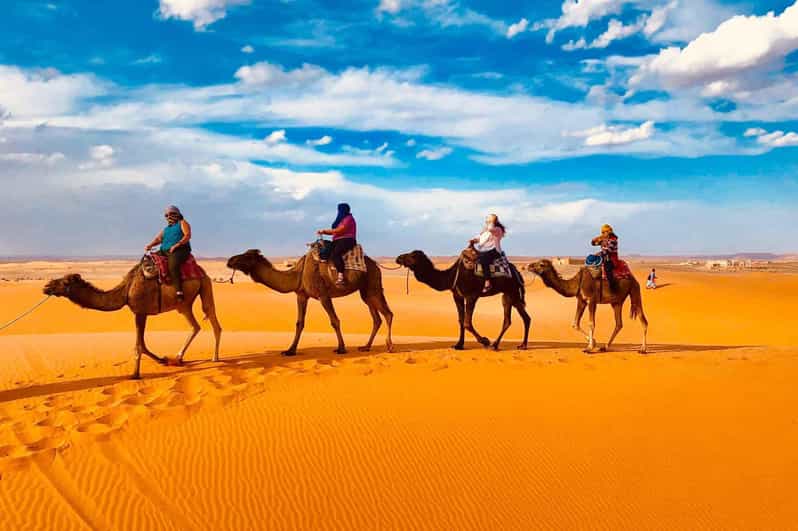
Imagine waking up to a sky full of stars, the silence of the Sahara wrapping around you like a blanket, and golden dunes stretching to the horizon in every direction. That is exactly what awaits you on the best Sahara desert tour from Marrakech and it might just be the most unforgettable experience of your life.
Morocco’s Sahara Desert is one of the world’s most breathtaking natural wonders, and Marrakech is your perfect launching pad. Whether you are a solo adventurer, a couple on honeymoon, or a family looking for a once-in-a-lifetime trip across North Africa, a desert tour from Marrakech delivers landscapes, culture, and memories that no hotel beach or city break ever could.
In this complete 2027 guide, you will discover everything you need to plan, compare, and book the right Sahara tour from itinerary breakdowns and pricing to packing lists and safety tips. Let’s go.
Ready to book? Explore our Sahara Desert Tours →
Every traveler wants something a little different — that's exactly how we plan.
Tell us how much time you have, where you're starting from, and what draws you to Chefchaouen — the mountains, the photography, the quiet, the handicrafts, or simply a break from the bigger cities. We'll build a private itinerary around that, from your arrival to your final transfer.
Plan Your Morocco Tour NowWhat Is a Sahara Desert Tour from Marrakech?
A Sahara Desert tour from Marrakech is a guided multi-day journey that departs from Marrakech city, crosses the Atlas Mountains and ancient kasbah towns, and arrives at the Sahara’s iconic orange-red sand dunes typically at Erg Chebbi near Merzouga or Zagora. Tours run between 2 and 5 days and include transportation, accommodation, camel trekking, and overnight desert camping in a traditional Berber tent.
Duration options: 2-day, 3-day (most popular), and 4-day tours are all available depending on your schedule and budget. Main destinations: Erg Chebbi (Merzouga) and Zagora. Best suited for: Couples, solo travelers, families, honeymooners, and adventure seekers from Morocco and across Africa.
Why Erg Chebbi Is the Best Sahara Destination
Not all desert is created equal. Morocco has two main desert destinations for tours from Marrakech, and the difference matters enormously when it comes to your experience.
Erg Chebbi vs Zagora — Comparison Table
| Feature | Erg Chebbi (Merzouga) | Zagora |
|---|---|---|
| Dune Height | Up to 150 metres | Up to 30 metres |
| Distance from Marrakech | ~560 km / 9–10 hrs | ~360 km / 6–7 hrs |
| Sand Colour | Deep amber-orange | Yellowish-grey |
| Landscape Authenticity | True Sahara feel | Rocky with some dunes |
| Camel Trek Quality | Excellent | Moderate |
| Berber Culture | Deep immersion | Limited |
| Best For | Full desert experience | Quick getaway, tight schedule |
| Stargazing | Outstanding | Good |
If you have 3 or more days, Erg Chebbi at Merzouga wins without question. The dunes are real, vast, and visually stunning. If you only have 2 days and cannot make the longer drive, Zagora offers a shorter option that still delivers desert moments.
Why Merzouga Offers the Real Sahara Experience
Merzouga sits on the edge of Erg Chebbi, one of Morocco’s largest erg formations and a place where the landscape shifts from rocky plateau to towering sand walls in the space of a few kilometres. This contrast alone is jaw-dropping.
Beyond the visual drama, Merzouga gives you access to genuine Berber nomadic culture. Local families still live in and around these dunes. Your camp host will share mint tea stories by firelight, traditional music echoes across the sand at night, and the sunrise over 150-metre dunes is something photographs simply cannot capture. The cultural immersion here is real, not staged and that is what separates a good tour from a great one.
Best 3-Day Sahara Desert Tour from Marrakech (Most Popular Option)
The 3-day Sahara desert tour from Marrakech is by far the most popular itinerary among travellers in 2027. It gives you enough time to soak in the landscapes, arrive at the dunes without rushing, and still return to Marrakech in time for onward travel.
Day 1 — Marrakech to Atlas Mountains to Ait Benhaddou to Dades Valley
Your journey begins early morning with a hotel pickup in Marrakech (Medina, Gueliz, Hivernage, or Palmeraie all covered). Your driver-guide heads south through the dramatic Tizi n’Tichka Pass at 2,260 metres elevation, winding through High Atlas Mountain roads with panoramic views that stop the breath.
First major stop: Ouarzazate, the self-styled “Hollywood of Africa” where dozens of international films have been shot, from Gladiator to Game of Thrones. You will visit local studios or simply drive through this fascinating crossroads town.
Next comes Ait Benhaddou, a UNESCO World Heritage Site and one of Morocco’s most iconic kasbahs. This ancient fortified village of sun-dried clay rises dramatically above the riverbank and is extraordinarily photogenic. Allow an hour to explore its labyrinthine alleyways and rooftop views.
The day ends in the Dades Valley (also called the Valley of Roses), where you overnight at a traditional riad or guesthouse. The gorge walls glow in the evening light and the air carries the faint scent of rose this valley produces most of Morocco’s famous rose water.
Day 2 — Dades to Todra Gorge to Merzouga to Camel Trek
After breakfast, you head through the Road of a Thousand Kasbahs, a scenic route dotted with ancient clay fortresses, palmeries, and Berber villages. The landscape shifts from green valley to lunar desert plateau.
A brief stop at Todra Gorge brings you face-to-face with towering limestone canyon walls some reaching 300 metres carved by ancient rivers. It is spectacular, especially in morning light.
From here, the road opens into the pre-Saharan plains and the air becomes drier, hotter, and more still. Then — suddenly — the dunes of Erg Chebbi appear on the horizon. Golden, enormous, and almost unreal.
You arrive at your desert camp in late afternoon with just enough time to mount your camel for a sunset camel trek into the dunes. Your guide leads you to a private viewpoint where the setting sun turns the Sahara every shade of red and orange imaginable.
Evening at camp includes traditional Berber dinner, live music by the fire, and an unmissable sky full of stars far from any light pollution. Sleep in a comfortable furnished tent with real beds. This is not roughing it this is magic.
Day 3 — Sunrise in the Sahara to Return to Marrakech
Wake before dawn. Seriously do not miss this. The Sahara sunrise is arguably the highlight of the entire tour. Climb the nearest dune barefoot in the cool morning air and watch as the horizon catches fire behind you.
After breakfast, your guide returns you via a different scenic route (often passing through Rissani and the Ziz Valley) before the long but beautiful drive back to Marrakech, arriving by evening.
2-Day vs 3-Day vs 4-Day Desert Tours — Which Should You Choose?
Quick answer: If you have the time, always choose the 3-day tour. It is the sweet spot between depth of experience and budget. Here is a full breakdown:
2-Day Tour Best for travellers with limited time or tight budgets. You reach Zagora or a simplified Merzouga route, enjoy one night in a camp, and return quickly. The experience is good but slightly rushed, and you miss some of the key stop-offs. Ideal for first-time Morocco visitors on a long weekend.
3-Day Tour (Recommended) The most popular and balanced option. You reach Erg Chebbi at Merzouga, enjoy all major stops including Ait Benhaddou and Todra Gorge, have one full desert night, and return rested. This is what most travellers choose and what Tilila Travel recommends. Ideal for almost everyone.
4-Day Tour Adds an extra day of exploration you might visit the Draa Valley, spend two nights in the desert, or take a 4×4 ride deep into the dunes. Perfect for photography enthusiasts, nature lovers, or anyone who simply never wants to leave the Sahara. Ideal for travellers with more time and a deeper curiosity about Morocco.
Luxury Sahara Desert Tours from Marrakech
The Sahara is extraordinary on any budget, but if you are celebrating something special a honeymoon, anniversary, or simply a once-in-a-decade trip a luxury tour elevates the experience in ways that are hard to describe.
What Is Included in Luxury Desert Camps
Luxury desert camps near Merzouga have come a long way. Today’s top-tier camps offer private ensuite tents with proper bathrooms (not shared facilities), real beds with quality linen, electricity, and Wi-Fi. Meals are gourmet Moroccan cuisine prepared fresh think slow-cooked lamb tagine, harira soup, and honey-drizzled pastilla for dessert.
Transportation is by private 4×4 vehicle with a dedicated driver-guide rather than shared minibus. Some luxury packages include private camel rides, sandboarding sessions, quad biking, and even stargazing with a telescope.
Who Should Book a Luxury Sahara Tour?
Luxury tours are perfect for couples on honeymoon who want intimacy and privacy in the dunes, families with young children who need comfort and flexibility, photographers seeking maximum access and personalised timing, and business travellers or executives who want the Sahara experience without compromising on comfort.
The price difference between standard and luxury is real, but for the right traveller, it is worth every dirham.
Sahara Desert Tour Price Guide (2027)
Pricing for Sahara desert tours from Marrakech varies widely based on duration, group size, accommodation quality, and what is included. Here is a realistic 2027 price guide:
Budget Tours
Budget 3-day shared group tours typically start from around $90–$130 USD per person. These include shared minibus transport, basic shared camp accommodation (mattress and blanket), and group camel riding. Meals may or may not be included. These work perfectly well for backpackers and budget-conscious solo travellers.
Standard Tours
Mid-range private or semi-private tours run $180–$280 USD per person for 3 days. You get private or semi-private vehicle, comfortable furnished tent with real beds, included meals, and a dedicated guide with real local knowledge. This is the most popular bracket and what most travellers end up booking.
Private and Luxury Tours
Full private luxury tours range from $350–$700+ USD per person for 3 days, depending on camp tier and group size. Two people travelling together brings the per-person cost down significantly. A private 3-day luxury tour for a couple can run $700–$900 total, making it very competitive with safari-style experiences elsewhere in Africa.
What affects cost: Tour duration, group size vs private, camp standard, vehicle type (minibus vs 4×4), season, and inclusions (camel trek, quad bike, meals, etc.).
Seasonal factors: Prices are generally higher during peak months (October–November and March–April). Summer rates (July–August) drop but the heat is extreme. January–February offers excellent value with good temperatures.
Step-by-Step Guide to Choosing the Best Sahara Desert Tour
With hundreds of operators advertising Sahara tours, knowing who to trust and what to look for makes all the difference. Here is a practical checklist:
1. Decide your duration first. Before anything else, know how many days you have. This immediately narrows your options.
2. Choose group tour vs private. Group tours are cheaper and social great for solo travellers. Private tours give you flexibility on timing, routing, and pace.
3. Check camp quality carefully. Ask specifically whether you get a real bed or just a mattress, whether the bathroom is shared or private, and whether electricity is available. Photos on websites do not always match reality.
4. Verify exactly what is included. A cheap headline price can quickly inflate once you add camel riding, meals, guide fees, and activities. Always ask for a full inclusions list in writing.
5. Read recent reviews. Check Google, TripAdvisor, and travel forums from the last 3 months. Desert camps and operators change quality frequently recent reviews matter more than old ones.
6. Book with a licensed local Moroccan operator. This matters for your safety, the quality of your experience, and the authenticity of what you receive. Tilila Travel is a locally licensed Morocco-based tour operator with English-speaking guides and transparent pricing.
Is a Sahara Desert Tour from Marrakech Worth It?
Without a doubt, yes. Here is why the value proposition is exceptional:
Compared to an East African safari which can cost $3,000–$8,000 for a similar multi-day experience a Sahara desert tour from Marrakech delivers extraordinary landscapes, cultural depth, and memorable moments for a fraction of the price. Morocco also offers significantly shorter flight times for travellers from Europe, North Africa, and the Gulf.
Beyond the financial comparison, the Sahara delivers something you simply cannot buy: perspective. Standing alone on a 150-metre dune watching the sun rise over thousands of square kilometres of empty desert recalibrates your relationship with the world in a way that is hard to articulate and impossible to forget.
For African travellers in particular from Nigeria, Ghana, South Africa, Egypt, and across the continent a Morocco Sahara tour offers both a sense of continental pride and a discovery of North African culture and landscape that feels simultaneously familiar and completely new.
Is It Safe to Travel to the Sahara Desert?
Safety is a legitimate concern and one you should research honestly. The good news is clear: yes, Morocco’s Sahara desert region is safe for tourists in 2027, with a few straightforward precautions.
Road safety is the main variable to manage. The roads between Marrakech and Merzouga are long (9–10 hours) but paved and well maintained. Booking with a reputable operator who uses licensed, experienced drivers is essential.
Weather is a real consideration. Summer temperatures in the Sahara exceed 45°C and can be dangerous. The safest and most comfortable travel months are September through November and February through April.
For solo female travellers, Morocco’s tourist routes including the standard Sahara tour are generally safe and well-travelled. Choosing a reputable operator, sharing your itinerary with someone, and dressing modestly in rural areas are standard and sensible precautions.
Political and border considerations: The Morocco-Algeria border near Merzouga has been closed for decades and tourists do not travel near it. The region is entirely stable for tourism.
What to Pack for a Sahara Desert Tour
Packing right makes a meaningful difference to your comfort. Here is what to bring:
Clothing: Lightweight, loose-fitting long-sleeved shirts (protects from sun and sand), a warm fleece or jacket for evenings (desert nights drop sharply), comfortable walking shoes or sandals, and a headscarf or shemagh for wind and sand protection. Modesty is appreciated in rural Moroccan communities.
Desert essentials: High-SPF sunscreen, quality sunglasses with UV protection, a reusable water bottle (hydration is critical), lip balm, a small daypack, hand sanitiser, and a basic first aid kit.
Photography: A dust-proof camera bag if you plan serious photography. Sand gets into everything. A phone with a good camera works fine for most travellers.
Seasonal tips: October–April travellers should pack a proper warm layer temperatures drop to near 5°C overnight in winter months. June–August travellers should pack light and plan to move only in early morning and evening.
Local SEO Section — Pickup Locations and Regional Connections
Marrakech Pickup Locations
Tilila Travel offers free hotel pickup from all main Marrakech zones including the historic Medina (Djemaa el-Fna area), the modern Gueliz district, the upscale Hivernage hotel zone, and the lush Palmeraie resort area. If your riad or hotel is not on the standard list, contact us and we will confirm pickup directly.
Tours Connecting From Other Cities
Not based in Marrakech? No problem. Tilila Travel arranges Sahara tours connecting from Casablanca (add 1 day or fly into Marrakech), Fes (3–4 day Fes to Marrakech desert circuit extremely popular), Tangier (longer grand tour circuits available), and for international travellers arriving via African gateway cities, we coordinate with your arrival schedule to design a seamless itinerary.
Advantages and Disadvantages of Sahara Desert Tours
Pros
Taking a guided Sahara tour from Marrakech means you handle zero logistics transport, accommodation, camel riding, and guiding are all managed for you. You benefit from a local guide’s knowledge of roads, weather, and culture that no app or map can replicate. The all-inclusive pricing makes budgeting easy. Group tours create unexpected friendships. And the experience itself is simply remarkable one of those rare trips where reality exceeds expectation.
Cons
The journey is long. Marrakech to Merzouga is a 9–10 hour drive each way and some travellers find it tiring, particularly on a 3-day return trip. Shared group tours can mean adjusting to others’ pace and preferences. Budget camps vary in quality and it is worth researching carefully to avoid disappointment. And if you visit in summer, the heat is genuinely extreme and limits the experience.
Expert Booking Tips — Insider Advice from Local Guides
When to book: For peak season (October–November, March–April), book at least 3–4 weeks in advance. Desert camps fill fast during these months. Last-minute bookings can still happen in shoulder season.
Best months to travel: October, November, March, and April offer the best combination of comfortable temperatures (20–28°C days, cool nights), beautiful light for photography, and full camp availability. February is also excellent and often underrated.
Red flags to avoid: Operators who cannot confirm their camp name and photos in advance. Prices that seem too good to be true often involve mattresses on the ground, no meals, and unlicensed guides. Always ask for a detailed inclusions list and recent reviews from real travellers.
How to negotiate: Group tour prices are generally fixed. Private tour prices have more flexibility, particularly if you are travelling as a pair or family group. Booking directly with a local operator like Tilila Travel rather than through a large aggregator platform often results in better pricing and more personalised service.
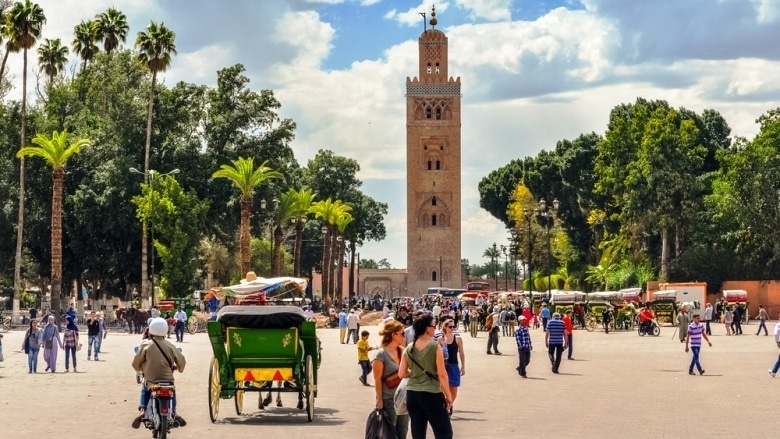
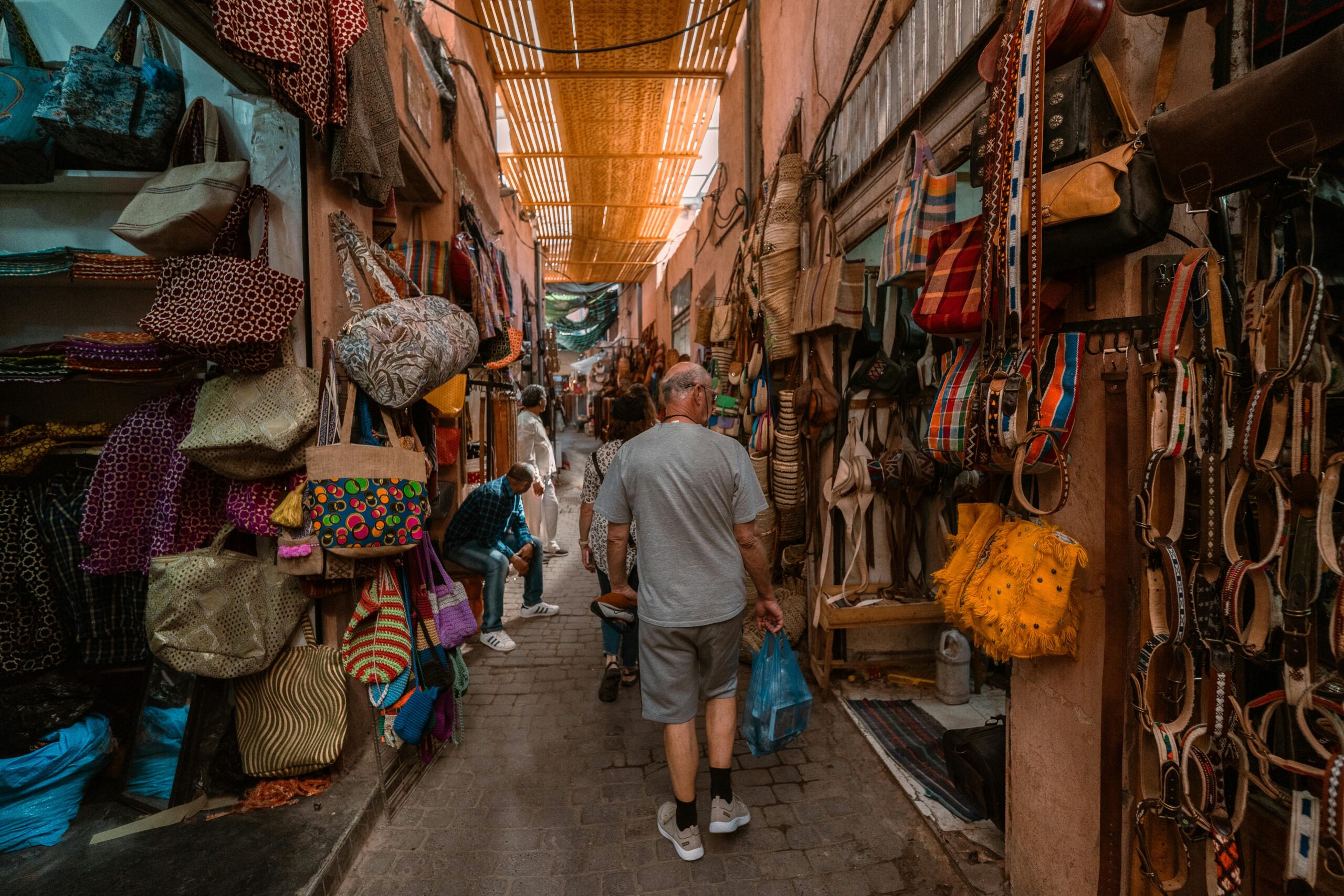
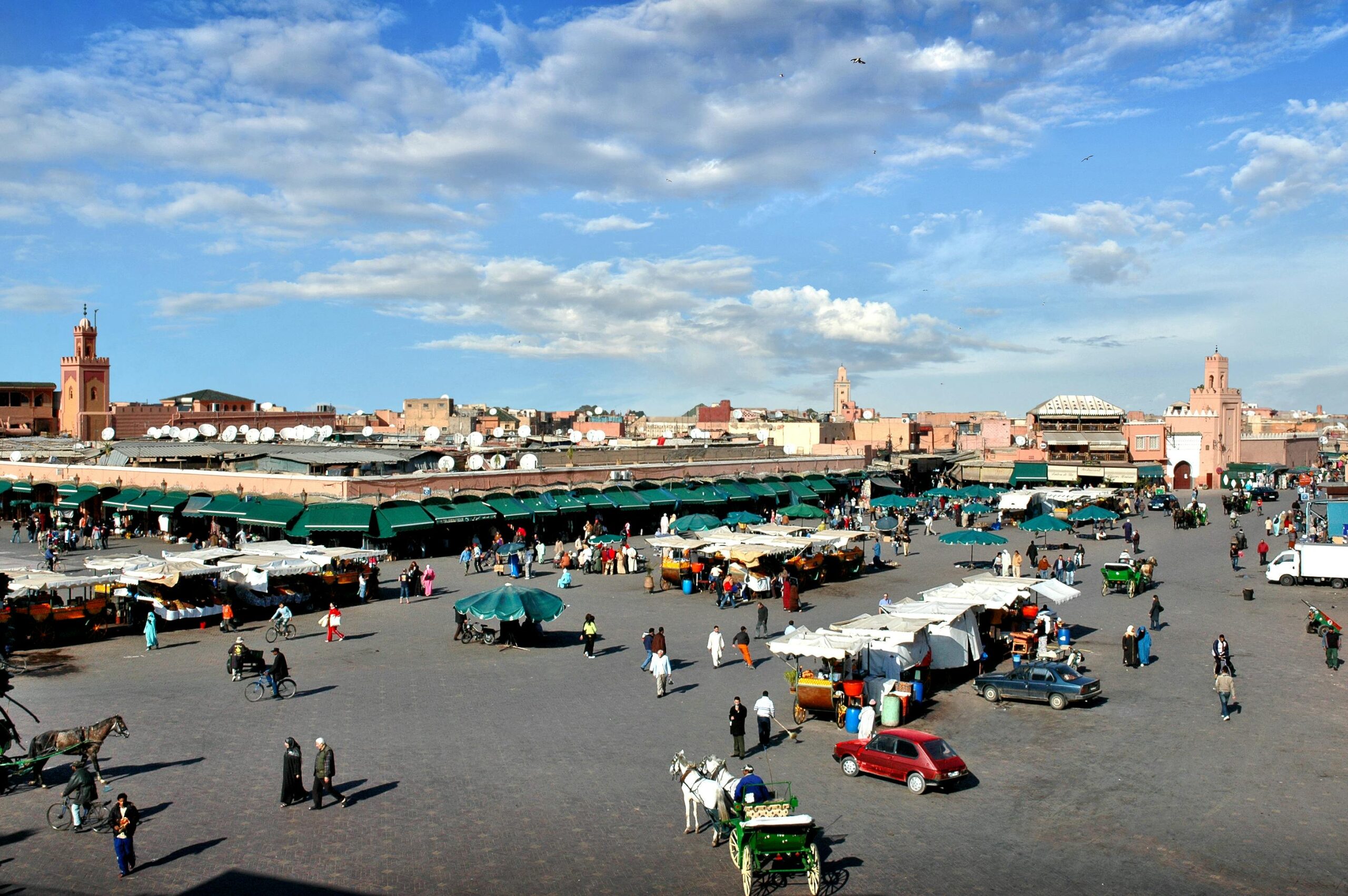
Avoid booking in Marrakech souks: Touts in the Jemaa el-Fna square often sell “Sahara tours” on behalf of third parties with no accountability. Always book directly with a verified operator.
Frequently Asked Questions
What is the best Sahara desert tour from Marrakech?
The best Sahara desert tour from Marrakech is a 3-day private or small-group tour to Erg Chebbi (Merzouga), covering Ait Benhaddou, Todra Gorge, a sunset camel trek, overnight Berber camp, and sunrise over the dunes. It balances experience depth, value, and comfort for most travellers.
How much does a Sahara desert tour from Marrakech cost?
Budget shared tours start at around $90–$130 USD per person for 3 days. Mid-range private tours cost $180–$280 USD per person. Luxury private tours range from $350–$700+ USD per person depending on camp quality, group size, and inclusions. Prices vary by season and operator.
Is 2 days enough for a Sahara desert tour?
Two days is enough for a basic desert experience, typically to Zagora. However, a 3-day tour to Erg Chebbi at Merzouga provides a significantly better experience with larger dunes, more authentic Berber culture, and time to visit key landmarks like Ait Benhaddou and Todra Gorge without rushing.
Which is better — Zagora or Merzouga (Erg Chebbi)?
Merzouga and Erg Chebbi are better for most travellers. The dunes are up to 150 metres tall (compared to 30 metres at Zagora), the landscape is more dramatic, the cultural experience is deeper, and the overall Sahara feeling is more authentic. Zagora suits travellers with very limited time only.
When is the best time to visit the Sahara from Marrakech?
The best months are October, November, March, and April. Temperatures are pleasant (20–28°C), the light is beautiful for photography, and the experience is comfortable. December and January are also excellent but cold at night. July and August are extremely hot (45°C+) and not recommended for most travellers.
What should I wear in the Sahara desert?
Wear loose, lightweight long-sleeved clothing in light colours to protect against sun and sand. Bring a warm layer (fleece or jacket) for evenings and nights. A headscarf or shemagh is useful against wind and sand. Comfortable walking shoes or sandals are fine. Modest dress is appreciated in rural Moroccan communities.
Are Sahara desert tours suitable for children?
Yes, with the right planning. Children generally love the camel riding, stargazing, and sand dunes. Choose a private tour for flexibility around rest stops and meals. Ensure camp accommodation is comfortable (proper beds, not mattresses). Avoid visiting in peak summer heat. Most reputable operators like Tilila Travel accommodate families comfortably.
Why Book Your Sahara Tour with a Local Morocco-Based Operator?
This question matters more than it might seem. There is a real difference between booking through a generic travel aggregator and booking directly with a licensed local Moroccan operator, and that difference shows up in your experience.
Supporting the local economy means your money goes directly to Moroccan guides, camp owners, camel handlers, and the small communities along the desert route rather than to a platform taking 20–30% in commission.
Better cultural authenticity comes naturally when your guide was born and raised in Morocco, speaks Berber and Arabic, knows the families in the camps personally, and understands the landscape as home rather than as a product.
Licensed guides and vehicles matter for your safety. Tilila Travel uses only IATA and Moroccan tourism ministry licensed guides and vehicles with full insurance. This is not standard across all operators.
Stronger customer service comes from dealing directly with the people who will actually run your tour. Questions get answered quickly, custom requests are accommodated, and if something needs adjusting on the road, your guide has the authority and the relationships to make it happen.
Tilila Travel is a Morocco-based, locally operated tour company specialising in Sahara desert experiences from Marrakech. Our guides are from the Sahara region, our camps are personally vetted, and every itinerary is built around making your desert experience genuinely unforgettable.
Book Your Sahara Desert Tour Today
The Sahara is waiting. Whether you want a 2-day quick escape, a classic 3-day journey, or a fully private luxury desert experience, Tilila Travel has the itinerary and the expertise to make it extraordinary.
Do not let planning complexity stop you from having the best Sahara desert tour from Marrakech. We handle everything pickup, transport, accommodation, camel trek, meals, and a guide who actually knows this landscape by heart.
👉 Book Your Sahara Desert Tour Now at TililаTravel.com
👉 Contact Us for a Custom Desert Itinerary
👉 View All Morocco Tours
Tilila Travel Your Local Morocco Desert Specialists. Licensed, trusted, and passionate about the Sahara.
The Sensory Experience — What Nobody Tells You Before You Go
Most travel articles describe the Sahara in terms of logistics and lists. What they rarely capture is the sensory reality of being there and it is worth preparing for.
The silence is the first thing that hits you. Not quiet actual silence. After the camel trek delivers you to camp and the engine noise of the day fades, the desert produces a quality of stillness that most people have never encountered. It is disorienting and then deeply calming.
The sand moves constantly. Even on a calm evening, fine particles shift across dune surfaces in slow, hypnotic waves. You will feel it between your toes, in your hair, and between the pages of your journal. This is not a problem it is part of the experience.
The temperature swing between day and night surprises almost every first-time visitor. A 35°C afternoon can drop to 8°C by 2am. This is not an exaggeration. Pack that warm layer.
The stars above Erg Chebbi are genuinely among the most spectacular night skies accessible without serious expedition. The Milky Way is visible clearly from September through April with no special equipment needed. Astrophotography enthusiasts make this journey specifically for the sky.
And the Berber hospitality — the mint tea at camp, the drumming around the fire, the guide who tells you the Arabic name of each constellation this is what transforms a tourist trip into a human experience that stays with you for years.
Booking Checklist — Before You Confirm Your Sahara Tour
Before you pay any deposit, run through this quick checklist to make sure you are booking the right tour with the right operator:
Does the operator have verified Google or TripAdvisor reviews from the last 6 months? Can they send you photos of the actual camp you will stay in? Is the camel trek included or at additional cost? Do they confirm hotel pickup directly from your accommodation? Is there a clear cancellation and refund policy? Is the guide licensed by the Moroccan Ministry of Tourism? And finally can you reach a real human being by phone or WhatsApp before you book?
If the answer to any of these is unclear or evasive, keep looking. Tilila Travel answers yes to all of the above.
Related Reads on Tilila Travel:
- 3-Day Sahara Desert Tour from Marrakech — Full Itinerary
- Luxury Desert Camp Morocco — What to Expect
- Best Time to Visit Morocco
- Fes to Marrakech Desert Tour — 4-Day Circuit
- What to Pack for Morocco Desert Travel




