
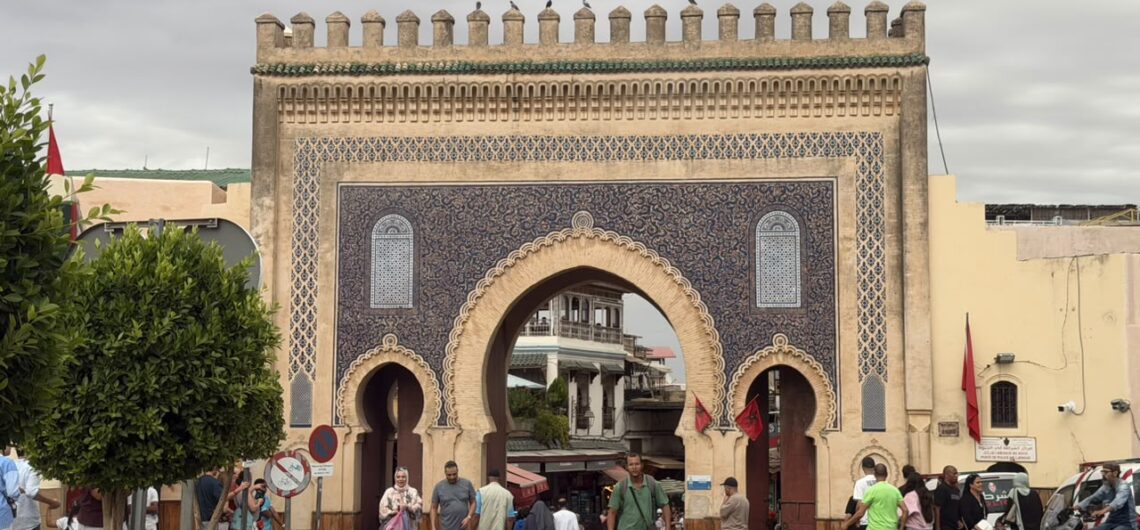
Explore Meknes, Morocco – History, Culture & Imperial Heritage
Introduction: Discover the Historic Charm of Meknes
Meknes Morocco offers a fascinating journey through imperial history, traditional architecture, and authentic Moroccan culture. Located in northern Morocco, this historic city combines monumental gates, lively markets, and peaceful courtyards. Moreover, its rich heritage makes it an excellent destination for travelers seeking a deeper understanding of Morocco.
Once the capital of Sultan Moulay Ismail, Meknes preserves remarkable monuments from the 17th and 18th centuries. The historic city joined the UNESCO World Heritage List in 1996, recognizing its architectural and cultural importance.
Today, visitors can explore the ancient medina, admire Bab Mansour, and discover the impressive remains of the royal city. Additionally, nearby Volubilis offers a glimpse into Morocco’s Roman past. With Tilila Travel, travelers can include Meknes in a private Morocco itinerary that combines history, local experiences, and scenic landscapes.
Why Visit Meknes Morocco?
Meknes Morocco stands out among the country’s imperial cities because of its historic atmosphere and impressive architectural heritage. While Marrakech and Fes attract many visitors, Meknes offers another perspective on Morocco’s royal past.
Furthermore, the city provides an appealing balance between cultural sightseeing and everyday local life. Visitors can explore traditional souks, enjoy Moroccan cuisine, and discover centuries-old monuments without rushing between attractions.
Here are some reasons to add Meknes to your itinerary:
-
Imperial history: Discover the legacy of Sultan Moulay Ismail and his ambitious royal city.
-
Historic architecture: Admire monumental gates, defensive walls, decorated courtyards, and traditional buildings.
-
UNESCO heritage: Explore a historic urban landscape recognized for its cultural significance.
-
Local culture: Experience traditional markets, regional food, and Moroccan craftsmanship.
-
Nearby archaeological sites: Visit Volubilis and explore the history of ancient Roman settlements.
-
Flexible travel options: Combine the city with Fes, Moulay Idriss Zerhoun, or other destinations.
Ultimately, Meknes suits travelers who appreciate history, architecture, photography, and cultural discovery.
Every traveler wants something a little different — that's exactly how we plan.
Tell us how much time you have, where you're starting from, and what draws you to Chefchaouen — the mountains, the photography, the quiet, the handicrafts, or simply a break from the bigger cities. We'll build a private itinerary around that, from your arrival to your final transfer.
Plan Your Morocco Tour NowMeknes Morocco and Its Imperial Heritage
Meknes developed from an earlier settlement into one of Morocco’s most important imperial cities. The Almoravids established a military settlement here in the 11th century. Later, Sultan Moulay Ismail transformed the city into a major political center during his reign from 1672 to 1727.
His ambitious building projects created extensive walls, monumental entrances, royal residences, and large storage complexes. Consequently, the historic city reflects both the political power and architectural ambitions of his era.
The city also reveals a distinctive blend of architectural influences. Decorative tilework, carved plaster, imposing arches, and traditional Moroccan design contribute to its unique character.
For travelers interested in Moroccan history, Meknes provides a valuable opportunity to understand the country’s imperial traditions beyond its better-known tourist centers.
Top Things to See in Meknes Morocco
1. Bab Mansour: The City’s Iconic Gateway
Bab Mansour is one of the most recognizable landmarks in Meknes Morocco. Standing beside El Hedim Square, this monumental gate introduces visitors to the city’s imperial architectural heritage.
Its decorative tilework, imposing arches, and carefully arranged ornamental details make it an excellent stop for photography. Moreover, the gate illustrates the artistic traditions associated with Morocco’s historic royal cities.
Take time to admire the exterior and explore the surrounding square. However, check current access arrangements before planning an interior visit, as historic monuments may have different opening conditions.
2. El Hedim Square: Experience Local Life
El Hedim Square sits near Bab Mansour and forms an important meeting point between the historic medina and the imperial district.
During your visit, observe the movement of local residents, explore nearby shops, and enjoy the atmosphere of the surrounding streets. The square also provides a convenient starting point for discovering the old city.
Additionally, its location makes it easy to combine several attractions during a walking tour. Visit at different times of day to experience changing light and activity.
3. The Historic Medina and Traditional Souks
The medina reveals another side of Meknes Morocco through its narrow streets, traditional shops, and everyday neighborhood life.
As you explore, you may find handmade goods, household items, local food products, and traditional crafts. Furthermore, the markets provide opportunities to observe the skills and commercial traditions that remain important to Moroccan communities.
Allow enough time to walk at a comfortable pace. A local guide can help explain the area’s history, identify notable buildings, and introduce visitors to local customs.
Remember to ask permission before photographing people, especially shopkeepers and residents.
4. Mausoleum of Moulay Ismail
The Mausoleum of Moulay Ismail commemorates the sultan who shaped much of Meknes’s imperial identity.
The complex features courtyards, decorative architectural elements, and spaces associated with traditional Moroccan religious architecture. Its historical importance makes it a meaningful stop for visitors interested in the city’s royal past.
Before visiting, confirm current opening hours and visitor requirements. Access arrangements can change, particularly for religious or heritage sites.
5. Heri es-Souani and the Royal Granaries
Heri es-Souani forms part of the extensive royal complex associated with Sultan Moulay Ismail. The monumental structures and adjoining water-related installations illustrate the scale of the imperial building program.
These historic remains help visitors understand how the royal city supported its residents, animals, and administrative needs. In addition, their distinctive arches and massive construction create striking photographic opportunities.
Check which sections are open during your visit, since access and restoration work may affect sightseeing.
6. Bou Inania Madrasa and Dar Jamai Palace
For travelers interested in traditional craftsmanship, the Bou Inania Madrasa and Dar Jamai Palace are worth considering when access permits.
Historic religious schools and palatial buildings reveal the importance of education, decorative arts, and refined architectural design in Moroccan cities. Look for intricate geometric patterns, carved details, and traditional materials.
Because opening arrangements may vary, verify access before including either site in a fixed schedule.
Explore Volubilis Near Meknes Morocco
A visit to Meknes Morocco can easily inspire a wider exploration of the surrounding region. One of the most rewarding nearby destinations is Volubilis, an important archaeological site associated with ancient Roman history.
Located outside the city, Volubilis preserves the remains of an ancient settlement that once played a significant role in the region. Visitors can explore archaeological remains, view historic architectural features, and discover mosaics that reveal aspects of life in antiquity.
The site provides a fascinating contrast with Meknes’s Islamic and imperial heritage. Therefore, combining both destinations creates a varied cultural itinerary.
You can also consider visiting Moulay Idriss Zerhoun, a historic town situated in the surrounding hills. Its religious significance and hillside setting add another dimension to the experience.
Moroccan Food and Cultural Experiences
Food is an important part of discovering Meknes Morocco. Traditional Moroccan cooking brings together regional ingredients, fragrant spices, fresh produce, and recipes shared across generations.
During your stay, consider trying:
-
Tagine: A slow-cooked dish prepared with vegetables, spices, and different ingredients.
-
Couscous: A traditional meal often served with vegetables and a flavorful broth.
-
Pastilla: A layered pastry traditionally associated with festive Moroccan cuisine.
-
Moroccan mint tea: A familiar part of hospitality and social gatherings.
-
Local olives and olive oil: Regional agricultural products that feature in Moroccan food traditions.
Furthermore, exploring a local market can introduce visitors to seasonal produce and everyday shopping customs.
Choose a restaurant that suits your preferences, and allow time to enjoy the meal rather than treating lunch as a quick stop. If food is an important part of your trip, Tilila Travel can help you plan a route that includes suitable local dining experiences.
Best Time to Visit Meknes Morocco
Spring and autumn are often comfortable seasons for exploring historic Moroccan cities. During these periods, visitors may find outdoor sightseeing more pleasant than during the hottest parts of summer.
Spring brings greener landscapes to the surrounding countryside, while autumn can offer pleasant conditions for walking through historic districts. Nevertheless, weather varies from year to year, so check the forecast before departure.
Summer can bring high temperatures, particularly during the afternoon. Consequently, consider visiting outdoor attractions earlier in the day and taking breaks when necessary.
Winter may offer cooler weather and occasional rain. Pack suitable layers and comfortable walking shoes, especially if you plan to explore archaeological sites outside the city.
Regardless of the season, leave some flexibility in your itinerary. This allows time for unexpected discoveries, rest, and changes in local conditions.
How to Include Meknes in a Morocco Itinerary
Meknes works well as part of a broader cultural journey through northern Morocco. The ideal length of your visit depends on your interests, pace, and the number of nearby attractions you want to explore.
A one-day visit can cover the main imperial landmarks, the medina, and selected historic monuments. If you also want to visit Volubilis, plan your transport and sightseeing time carefully.
A two-day stay allows a more relaxed experience. You can explore the historic center on the first day and discover Volubilis and nearby destinations on the second.
A longer private itinerary can combine Meknes with Fes, the Middle Atlas, and other destinations according to your travel plans.
For additional travel inspiration, explore desert tours from Marrakech or desert tours from Casablanca when planning a wider journey through Morocco.
Every route should account for realistic driving times, sightseeing priorities, and suitable breaks. Moreover, a flexible schedule makes it easier to enjoy each destination without unnecessary rushing.
Practical Travel Tips for Visiting Meknes
A little preparation can make your visit more comfortable and rewarding.
-
Wear comfortable shoes: Historic streets and archaeological areas may have uneven surfaces.
-
Carry water: Stay hydrated, particularly during warm weather and outdoor sightseeing.
-
Respect local customs: Choose appropriate clothing when visiting religious or culturally significant places.
-
Check opening hours: Confirm access arrangements for monuments before departure.
-
Bring cash: Some smaller shops and local businesses may not accept card payments.
-
Allow extra time: Markets, photography stops, and conversations can extend your visit.
-
Consider a local guide: Guided visits can provide historical context and help you navigate unfamiliar areas.
Additionally, confirm transport arrangements in advance if you plan to visit Volubilis or other places outside the city.
Why Choose Tilila Travel to Discover Meknes?
Exploring Meknes becomes easier when your itinerary reflects your interests, available time, and preferred travel pace.
Tilila Travel helps travelers plan private journeys through Morocco, combining cultural destinations with scenic routes and memorable experiences. Whether you are interested in imperial history, traditional markets, or nearby archaeological sites, a tailored itinerary can help you make the most of your visit.
Furthermore, Meknes can complement a wider journey that includes historic medinas, mountain landscapes, and the Sahara Desert. The best route depends on your starting point and the destinations you want to discover.
With thoughtful planning, you can enjoy a balanced experience that combines guided sightseeing, independent exploration, and time to appreciate local life.
Plan Your Visit to Meknes with Tilila Travel
Ready to discover the imperial heritage and cultural charm of Meknes Morocco?
Contact Tilila Travel to discuss a private Morocco itinerary tailored to your interests, schedule, and preferred destinations. Explore historic landmarks, discover the surrounding region, and create a journey that connects Morocco’s past with its vibrant present.
Start planning your Morocco adventure with Tilila Travel today.


