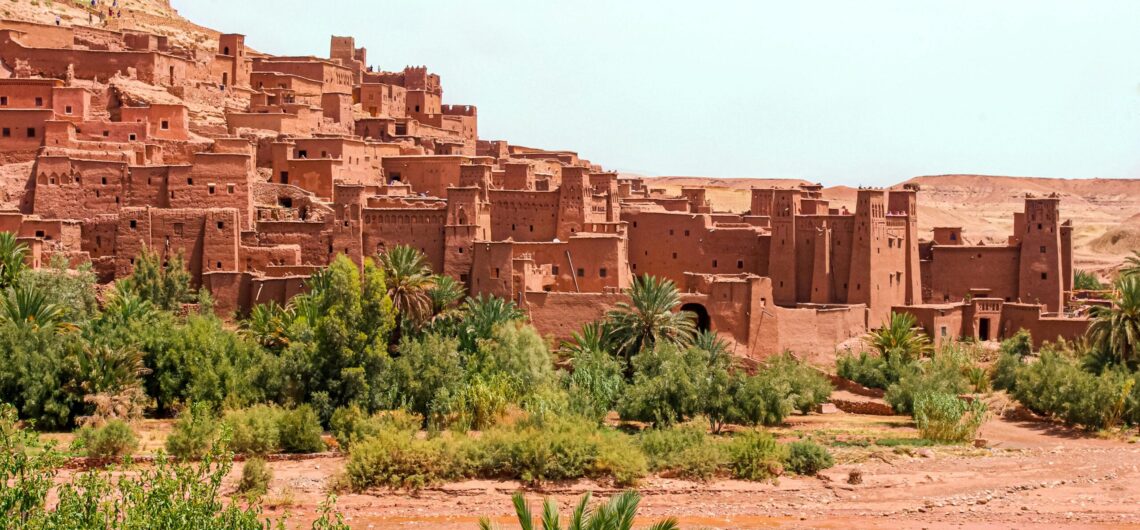
Relaxed Cultural & Culinary Family Trip to Morocco | Private Family Tours
Relaxed Cultural & Culinary Family Trip to Morocco: A Complete Guide by Tilila Travel
Planning a relaxed cultural and culinary family trip to Morocco is one of the most rewarding decisions your family can make. Morocco brings together Berber, Arab, Andalusian, and sub-Saharan African civilizations in a single destination — so every meal, every medina alley, and every mountain village tells a story your children will carry for a lifetime. At Tilila Travel, we design every family itinerary around one unshakeable belief: the best travel memories are never rushed.
This complete guide covers everything families need — from the ideal cities to visit and the traditional dishes to taste together, to a realistic day-by-day itinerary and the specific ways Tilila Travel makes the entire experience genuinely stress-free. Whether your family is travelling from Europe, North America, or the Gulf, Morocco delivers cultural depth, culinary richness, and a warmth toward children that very few destinations in the world can match.
Most Morocco travel guides target solo adventurers or couples. This guide, by contrast, focuses entirely on families who want cultural immersion and food discovery without an exhausting, overloaded schedule. Every recommendation here comes directly from Tilila Travel’s years of firsthand experience guiding real families through Morocco’s imperial cities, Saharan landscapes, and aromatic spice souks. Furthermore, this guide answers the specific questions parents actually ask before booking: Is Morocco safe for young children? What do kids eat there? How genuinely relaxed can the pace be?
You will find answers to all of these questions — and much more — in the sections below. Start wherever feels most relevant to your family, and use our custom Morocco tour planner to build your own itinerary at any point along the way.
Why Morocco is the Perfect Relaxed Family Destination
Morocco is one of the world’s most genuinely family-friendly countries, and the reasons go far beyond its famous scenery. Moroccan culture places children at the absolute center of social life. Locals adore children openly and instinctively, so families travelling with kids consistently find that doors open more easily, conversations start more naturally, and hospitality deepens in ways that solo travellers rarely experience.
Morocco Is Accessible, Safe, and Culturally Welcoming
First, Morocco is geographically accessible in a way that few African destinations are. It sits just 14 kilometres from Spain across the Strait of Gibraltar, making it one of the easiest international trips for families based in Europe. Direct flights connect London, Paris, Amsterdam, Madrid, and dozens of other European cities to Marrakech, Casablanca, and Fes — often in under three hours. Moreover, Morocco’s time zone aligns closely with Western Europe, so jet lag rarely becomes an issue for young children.
Second, Morocco’s safety record for family tourism is consistently strong. The country invests heavily in tourism infrastructure, and cities like Marrakech, Fes, and Chefchaouen see millions of international visitors each year. Tilila Travel’s private family tours add an additional layer of comfort because you travel in your own vehicle with a dedicated guide who manages logistics, language, and navigation on your behalf. Our private Morocco tours eliminate the stress of public transport and crowded shared buses entirely.
Moroccan Hospitality Is Built for Families
Third — and perhaps most importantly — Moroccan hospitality (known as “diyafa”) treats guests as a gift from God. This is not a marketing phrase; it reflects a genuine cultural value that families experience from the moment they arrive. Riad hosts prepare welcome mint tea for children alongside adults. Restaurant owners bring out bread and olive oil for young ones before the main course arrives. Market sellers offer dates, dried figs, and orange slices to kids passing through. Consequently, children feel seen and welcomed rather than tolerated throughout the entire trip.
Riads — the traditional Moroccan courtyard homes that now serve as boutique accommodations — also suit families particularly well. Their enclosed interior gardens give young children a safe space to play, while rooftop terraces become natural evening gathering spaces for the whole family. Many riads additionally offer family suites, flexible mealtimes, and in-house cooking classes, making them far more family-oriented than standard hotel rooms. Tilila Travel selects each riad personally based on family suitability, so you will never arrive at an accommodation that feels wrong for your group.
Four Seasons, One Destination: Morocco’s Climate Suits Families Year-Round
Another reason families choose Morocco is its climate flexibility. Spring (March–May) brings mild temperatures, wildflowers across the Atlas Mountains, and manageable crowds — making it the single best season for a relaxed cultural and culinary family trip. Autumn (September–November) offers similar conditions with the added bonus of post-summer harvest festivals, including the famous rose festival in the Dadès Valley. Even winter delivers warm, sunny days in Marrakech and the south, while the desert nights provide a dramatic stargazing experience that children never forget. Summer, however, brings intense heat to inland cities, so Tilila Travel generally recommends coastal destinations like Essaouira during those months instead.
📍 Tilila Travel Tip: Spring and autumn are the ideal seasons for a relaxed family trip. Book between March–May or September–November for the best combination of weather, cultural events, and manageable crowds. Browse our multi-day family tours from Marrakech to see sample itineraries for both seasons.
Morocco Offers Variety That Keeps Every Family Member Engaged
Finally, Morocco’s geographic diversity ensures that no family member ever runs out of things to do. Younger children are captivated by camel rides, colorful souks, and the dramatic dune landscape of the Sahara Desert. Teenagers engage with the history of UNESCO-listed medinas, the architecture of ancient kasbahs, and the challenge of navigating labyrinthine alleyways. Adults appreciate the culinary depth, the riads, the hammam experiences, and the slower rhythm that a well-planned Tilila Travel itinerary deliberately builds in. In short, Morocco does not ask your family to choose between adventure and relaxation — it delivers both, together, without compromise.
This is precisely why thousands of families from across the world choose Morocco every year for their most meaningful holiday — and precisely why Tilila Travel exists: to make that experience as seamless, enriching, and genuinely relaxed as possible. Explore our tailor-made trips to Morocco to start building your family’s perfect journey.
The Heart of the Journey: Morocco’s Culinary Culture for Families
Food is not simply a part of a cultural family trip to Morocco — food IS the cultural trip. Moroccan cuisine ranks among the world’s most complex and layered culinary traditions, shaped over centuries by Berber, Phoenician, Arab, Andalusian, Ottoman, and French influences. Yet despite its sophistication, Moroccan food is fundamentally communal, generous, and child-friendly. Dishes arrive at the table to be shared from a single pot. Bread replaces cutlery. Meals last for hours. Therefore, for families, eating in Morocco becomes one of the most powerful bonding experiences the country has to offer.
The Essential Moroccan Dishes Every Family Will Taste
Tagine is the dish Morocco is most famous for, and rightfully so. Slow-cooked in a conical clay pot over charcoal, tagine typically combines chicken or lamb with preserved lemons, olives, dried apricots, almonds, and a carefully balanced spice blend of cumin, ginger, saffron, and ras el hanout. The result is a deeply aromatic, fall-off-the-bone tenderness that even the most selective child tends to enjoy. Tilila Travel builds tagine meals into family itineraries at authentic local restaurants — never tourist-trap establishments — so your family tastes the real thing, not a watered-down version.
Couscous, meanwhile, holds deep ceremonial significance in Moroccan culture. Traditionally prepared every Friday after midday prayers, it features hand-rolled semolina steamed three times over a fragrant broth of seven vegetables and slow-cooked meat. Eating couscous with a Moroccan family on a Friday afternoon — something Tilila Travel can arrange through its network of local host families — is one of the most authentic and moving experiences available to visitors anywhere in North Africa. Additionally, harira soup (a hearty tomato, lentil, and chickpea broth served with honey-drenched chebakia pastries) makes an ideal introduction for children who might be hesitant about unfamiliar flavors.
Moroccan Street Food: The Family-Friendly Food Tour
Beyond sit-down meals, Morocco’s street food culture offers families an extraordinary and genuinely relaxed way to explore each city through its flavors. Jemaa el-Fna square in Marrakech transforms every evening into an open-air food festival, where smoke rises from grills stacked with merguez sausage, kefta skewers, and whole roasted sheep heads (the latter tends to fascinate older children and horrify parents equally). Stalls overflow with freshly squeezed orange juice — Morocco produces some of the world’s sweetest oranges — as well as bowls of snail broth, cones of roasted chickpeas, and slabs of msemen flatbread dripping with argan oil honey.
In Fes, the medina’s food alleyways hide some of Morocco’s finest street eating: bsara (fava bean soup with cumin and olive oil) served from pre-dawn until mid-morning; freshly baked khobz bread pulled hot from communal wood-fired ovens; and the spectacular pastilla — a flaky warqa pastry filled with slow-cooked pigeon, almonds, and cinnamon dust. Tilila Travel’s guided in-depth cultural tours weave these street food experiences directly into city exploration so families discover food and history simultaneously, never separately.
Hands-On Cooking Classes: Where Children Become Chefs
One of the most popular elements of Tilila Travel’s family packages is the hands-on Moroccan cooking class. Rather than simply watching a demonstration, families roll up their sleeves in a riad kitchen alongside a local Moroccan cook — often a dada, a traditional female cook who has spent decades mastering the family recipes passed down through generations. Children learn to blend their own ras el hanout spice mix, shape their first tagine layer, and prepare mint tea with the theatrical three-pour technique that Moroccan hospitality demands. These classes typically run two to three hours and conclude with the family eating everything they have cooked together, usually on a shaded riad terrace.
Beyond the cooking class itself, market visits add another layer of discovery. Tilila Travel’s guides take families through the spice souks of Marrakech or the food markets of Fes, explaining the provenance of ingredients — saffron from Taliouine, preserved lemons from Meknes, argan oil from the Souss plains — and letting children handle, smell, and taste as they go. This sensory education connects food directly to landscape and culture in a way that no classroom ever could. Furthermore, it gives children stories to tell when they return home, making the trip memorable long after the tan has faded. Discover how we combine these experiences on our Morocco multi-day tours from Casablanca and Marrakech departures.
Moroccan Tea Culture: The Ritual Every Family Should Experience
No discussion of Moroccan culinary culture is complete without mint tea — “Moroccan whiskey,” as locals fondly call it. The preparation is itself a ceremony. Fresh spearmint (nana) is packed tightly into a silver teapot over Chinese gunpowder green tea and generous sugar, then brewed over heat and poured repeatedly between pot and glass to aerate and blend. The pour — raised dramatically from a height of 30 to 40 centimeters above the glass — creates a froth that locals insist is essential to the flavor. Consequently, children immediately want to try pouring themselves, and most hosts delight in letting them. Accepting tea in a Moroccan home or shop is not simply a refreshment break; it is a cultural bridge that opens every conversation and seals every friendship.
Culinary Highlight: Tilila Travel builds at least one family cooking class and one guided food market walk into every Morocco family itinerary. These experiences are fully customizable around dietary requirements, children’s ages, and spice tolerance. Contact us via our custom tour page to discuss your family’s preferences before we design your itinerary.
Why Moroccan Food Works Beautifully for Children
Parents often worry that Moroccan cuisine might be too spicy or unfamiliar for young children. In practice, the opposite is usually true. Traditional Moroccan cooking layers spices for aroma and complexity rather than heat, so most classic dishes carry no chilli burn whatsoever. The slow-cooked sweetness of a chicken and preserved lemon tagine, the buttery richness of a lamb shoulder mechoui, and the honey-soaked flakiness of a bastilla all tend to win over even the most cautious young eater. Additionally, Morocco’s Mediterranean-influenced salad spreads — zaalouk (smoky aubergine), taktouka (roasted pepper and tomato), and carrot with cumin and orange — make excellent, nutritious side dishes that children enjoy eating with bread. Tilila Travel coordinates all restaurant bookings in advance, specifically selecting establishments that cater warmly to families with children of all ages.
Together, these culinary experiences — the tagines, the cooking classes, the street food adventures, the mint tea ceremonies, and the market visits — transform a Morocco family holiday from a sightseeing trip into a genuine cultural immersion. Food becomes the thread that connects every destination, every host family, and every shared memory. This is why Tilila Travel places Moroccan culinary culture at the very heart of every relaxed family journey we design. Explore our best Morocco tours to see how we weave food, culture, and relaxation into one seamless family adventure.
FAQ: Relaxed Cultural & Culinary Family Trip to Morocco | Private Family Tours
1. Is Morocco a good destination for a family trip?
Yes, Morocco is a great destination for families. It offers a mix of culture, adventure, and relaxation. With the right planning, families can enjoy safe, comfortable, and memorable experiences across cities, deserts, and mountains.
2. Is Morocco safe for families with kids?
Morocco is generally safe for families, especially when traveling with a trusted local tour provider. Private guides, organized transport, and family-friendly accommodations ensure a smooth and secure experience.
3. What is the best time to visit Morocco with family?
The best time is during spring (March–May) and autumn (September–November). The weather is pleasant, making it ideal for exploring cities, the Sahara Desert, and the Atlas Mountains comfortably.
4. How many days are ideal for a Morocco family trip?
A 8 to 12-day itinerary is ideal. It allows enough time to explore key destinations like Marrakech, Fes, and the Sahara Desert without rushing.
5. What are the best places to visit in Morocco with family?
Top family-friendly destinations include Marrakech, Fes, Chefchaouen, the Sahara Desert, and the Atlas Mountains. Each offers unique cultural and scenic experiences.
6. Is Moroccan food suitable for children?
Yes, Moroccan cuisine is family-friendly. Dishes like tagine, couscous, and grilled meats are mild and flavorful. Many tours also include cooking classes that kids enjoy.
7. Can we customize our Morocco family itinerary?
Absolutely. A customized itinerary allows you to adjust travel pace, destinations, accommodations, and activities based on your family’s needs and preferences.
8. What type of accommodation is best for families in Morocco?
Families often stay in riads, boutique hotels, or desert camps. These accommodations offer comfort, safety, and an authentic Moroccan experience.
9. Is a guided tour better than traveling independently in Morocco?
Yes, guided tours are highly recommended for families. They provide local insights, reduce stress, and ensure smooth travel, especially when visiting multiple cities.
10. What cultural experiences can families enjoy in Morocco?
Families can explore medinas, visit local markets, meet artisans, enjoy traditional music, and experience Berber village life. These activities make the trip more meaningful.
11. Are there kid-friendly activities in Morocco?
Yes, kids can enjoy camel rides in the Sahara, cooking classes, exploring souks, and interactive cultural experiences designed for all ages.
12. How do we travel between cities in Morocco?
Most family tours include private transport with a driver. This ensures comfort, flexibility, and a stress-free journey between destinations.
13. Do we need a visa to travel to Morocco?
Visa requirements depend on your country. Many travelers can enter Morocco visa-free for short stays, but it’s best to check before planning your trip.
14. How much does a Morocco family trip cost?
Costs vary depending on travel style, duration, and level of luxury. Customized tours allow you to control your budget while ensuring a high-quality experience.
15. How can we book a relaxed family trip to Morocco?
You can book through a local travel expert who designs personalized itineraries, manages logistics, and ensures a smooth experience from start to finish.