

Traveling from Spain to Morocco is one of the easiest and most exciting international trips you can make. With only a narrow stretch of water separating Europe from Africa, the journey is quick, affordable, and full of adventure. Whether you want to explore Tangier for a day, take a ferry across the Strait of Gibraltar, or begin a full Morocco tour, this guide covers everything you need routes, costs, safety tips, requirements, and the best itineraries.
This 2025 complete guide is designed to help all types of travelers:
- First-timers visiting Morocco
- Travelers coming from Spain for a short trip
- Families, solo travelers, couples, and groups
- Those planning longer cultural tours across Morocco
- Anyone deciding between ferry and flight options
By the end of this guide, you’ll know exactly how to travel from Spain to Morocco, which route to choose, what documents you need, and how to plan the smoothest journey possible.

Can You Travel From Spain to Morocco? Absolutely — Here’s Everything You Need
Yes; traveling from Spain to Morocco is not only possible, it’s extremely common and very straightforward. Thousands of people cross between the two countries every week thanks to short ferry routes, affordable flights, and convenient border procedures.
Below are the key things you need to know before starting your trip:
Passport Requirements
To enter Morocco, you only need:
- A valid passport
- Passport must be valid for at least 3 months from the date you enter Morocco
- No visa required for most nationalities including Europeans, Americans, British, Canadians, Australians, GCC travelers, and many others
If your passport is close to expiring, renew it before traveling Morocco immigration is strict about the 3-month validity rule.
Do You Need a Visa?
Most visitors do not need a visa to travel from Spain to Morocco for tourism. You can stay up to 90 days without one.
However, if you are from a country that requires a visa, make sure to secure it in advance before starting your trip from Spain.
Is It Safe to Travel From Spain to Morocco?
Yes — both the ferry and flight routes between Spain and Morocco are considered safe.
Morocco welcomes millions of tourists every year and is one of North Africa’s most stable, tourist-friendly destinations.
Safety tips:
- Stick to main tourist areas
- Use official taxis or pre-booked transfers
- Keep valuables close in crowded areas
- Avoid unofficial guides
- If you’re unsure, book with a trusted Moroccan travel agency like Tilila Travel for complete peace of mind
Who Is This Trip Perfect For?
Traveling from Spain to Morocco is ideal for:
- Day-trippers (Tarifa → Tangier in 1 hour)
- Cruise travelers
- Backpackers & solo travelers
- Families wanting a cultural experience
- Travelers starting a long Morocco itinerary
The short distance makes it one of the simplest international adventures you can take.
What Documents Will Be Checked?
Whether you travel by ferry or flight, expect:
- Passport check on Spanish side
- Arrival stamp by Moroccan immigration
- Customs inspection (quick and simple)
If you’re bringing a car on the ferry, you’ll also fill out a small temporary import form.
Best Arrival Cities in Morocco
From Spain, the three most common entry points are:
- Tangier Ville (ideal for day trips)
- Tangier Med (major port for cars & long-distance ferries)
- Nador (best for eastern Morocco)
From any of these ports, you can easily connect to:
- Chefchaouen
- Fes
- Casablanca
- Rabat
- Marrakech
- The Sahara Desert
Spain to Morocco Distance & Travel Time
Even though Spain and Morocco are on two different continents, the distance between them is surprisingly short. At their closest point, only 14 kilometers (9 miles) separate Europe from Africa making the journey fast and very accessible for travelers.
Whether you choose to travel by ferry, flight, or car + ferry, here’s a clear breakdown of the distances and how long each option takes.
Closest Points Between Spain & Morocco
The narrowest part of the Strait of Gibraltar is between:
- Punta de Tarifa (Spain)
- Point Cires (Morocco)
This is the shortest crossing route and also the fastest way to travel between the two countries. Ferries here are quick, frequent, and ideal for day trips.
Distances between major Spanish departure cities and Moroccan arrival cities:
|
Route |
Distance |
|
Tarifa → Tangier Ville |
14 km (9 miles) |
|
Algeciras → Tangier Med |
30 km (18 miles) |
|
Almería → Nador |
180 km (112 miles) |
|
Barcelona → Tangier |
~1,000 km (620 miles) |
This means the journey from Spain to Morocco can be as short as 1 hour — faster than many domestic flights inside Europe.

Book By WhatsApp
How Long Does It Take? (Ferry, Flight & Car)
1️⃣ Ferry Duration
Ferries vary depending on the route:
- Tarifa → Tangier Ville: 45 minutes to 1 hour (Fastest)
- Algeciras → Tangier Med: 1 hour 15 minutes to 1 hour 30 minutes
- Almería → Nador: 5 to 7 hours (overnight options available)
- Barcelona → Tangier/Nador: 28 to 32 hours (long-distance ferry)
If you want the quickest trip, Tarifa → Tangier is the perfect choice.
2️⃣ Flight Duration
Flights from Spain to Morocco are incredibly short and often affordable.
Approximate flight times:
- Seville → Tangier: 1 hour 10 minutes
- Madrid → Marrakech: 1 hour 40 minutes
- Barcelona → Casablanca: 2 hours
If you prefer comfort or want to reach Marrakech or Casablanca directly, flying is the fastest and simplest option.
3️⃣ Car + Ferry Duration
If you’re bringing your own car or renting one:
- Drive to Algeciras or Tarifa (most common)
- Take the ferry to Tangier Med or Tangier Ville
Total combined time depends on your starting point in Spain, but the crossing itself takes 1–1.5 hours.
Realistic Door-to-Door Travel Times
Travel time doesn’t end when the ferry or flight arrives. Here are realistic total travel durations:
From Tarifa to Tangier (Most Popular Day Trip Route)
- Travel to port: 15–30 minutes (if staying in Tarifa)
- Check-in & boarding: 30 minutes
- Ferry crossing: 1 hour
- Exit immigration in Tangier: 15–20 minutes
Total: 1.5 to 2 hours
From Algeciras to Tangier Med
- Travel to port: 10–20 minutes
- Boarding: 45 minutes
- Ferry: 1h 30m
- Shuttle/taxi to Tangier city: 40 minutes
Total: 3 hours
From Madrid to Marrakech (Flight)
- Airport arrival: 1.5 hours before flight
- Flight: 1h 40m
- Arrival procedures: 20–30 minutes
Total: 3.5 to 4 hours
These short travel times show why Spain → Morocco is such a popular trip for both short and long itineraries.
Best Ways to Travel From Spain to Morocco
Because the two countries are so close, travelers have three main ways to cross from Spain to Morocco: ferry, flight, and car + ferry. Each option has its own advantages depending on your budget, time, and the type of travel experience you want.
Below is a complete guide to help you choose the best option for your trip.
Spain to Morocco by Ferry (Most Popular & Scenic)
Traveling by ferry is the most common and often the most enjoyable way to get from Spain to Morocco. The ferries run all year, with multiple daily departures from the south of Spain, and the journey is short, comfortable, and scenic.
Why Choose the Ferry?
- The shortest travel time (as quick as 45 minutes)
- Ideal for a day trip or short visit
- You can bring a car, motorcycle, or bike
- Great views of the Strait of Gibraltar
- More flexible than flights — no strict luggage limits
Who It’s Best For
✔ Day-trippers
✔ Families
✔ Budget travelers
✔ Anyone staying in southern Spain (Seville, Cádiz, Málaga, Tarifa)
✔ Travelers who want to arrive directly in Tangier Ville, close to the city center
What to Expect on Board
Modern ferries offer:
- Comfortable seating
- Outdoor viewing decks
- Cafés/snacks
- Restrooms
- Luggage storage
- Smooth check-in process
If you want the easiest, quickest, and most authentic way to travel from Spain to Morocco, the ferry is the top choice.
Spain to Morocco by Flight (Fastest & Easiest for Long Distances)
Flying is the fastest way to reach Morocco from Spain, especially if you’re traveling from major cities like Madrid or Barcelona, or if you want to skip northern Morocco and go directly to the cultural hubs of Marrakech, Fes, or Casablanca.
Why Choose a Flight?
- The fastest total travel time
- Direct flights to major Moroccan cities
- Often very cheap when booked early
- Perfect for starting a multi-day Morocco tour
Who It’s Best For
✔ Travelers going to Marrakech, Casablanca, or Fes
✔ People short on time
✔ Those who prefer comfort and convenience
✔ Budget travelers (flights can be €30–€60 in low season)
Most Popular Flight Routes
- Madrid → Marrakech
- Madrid → Casablanca
- Barcelona → Tangier
- Seville → Tangier
- Málaga → Tangier
- Alicante → Fes
Flights are short, reliable, and often cheaper than people expect.
Spain to Morocco by Car + Ferry (Best for Road Trips)
If you want to explore Morocco at your own pace mountains, deserts, small towns, or off-the-beaten-path locations bringing your car or campervan is an excellent option.
Why Choose Car + Ferry?
- Drive directly onto the ferry
- Perfect for long trips through Morocco
- Ideal for families or groups
- Great if you enjoy road trips and flexibility
Important Things to Know
- You’ll fill out a temporary vehicle import form at the port
- Make sure your car insurance covers Morocco (or buy one at the port)
- Spanish rental cars often do not allow crossing into Morocco — confirm before booking
Who It’s Best For
✔ Adventure travelers
✔ Long trips (7–14 days)
✔ Families with a lot of luggage
✔ Campervan travelers
If your goal is to explore deeper parts of Morocco Chefchaouen, Fes, the Sahara Desert, the Atlas Mountains car + ferry gives you the freedom to enjoy them at your own pace.
Which Option Is Best For You?
To make it easy:
|
Traveler Type |
Best Option |
|
Day trip from Spain |
Ferry (Tarifa → Tangier) |
|
Short trip to Tangier |
Ferry |
|
Trip to Marrakech / Casablanca |
Flight |
|
Long road trip |
Car + Ferry |
|
Budget traveler |
Ferry or low-cost flight |
|
Families |
Ferry or car + ferry |

Book By WhatsApp
Ferry Routes From Spain to Morocco
Taking a ferry is the most popular and most authentic way to travel from Spain to Morocco. It’s fast, scenic, affordable, and connects several major Spanish port cities to Morocco’s northern coast. Whether you want a quick day trip to Tangier or a longer journey to Nador or Al Hoceima, there’s a route for every type of traveler.
Below is the complete breakdown of all ferry routes, how long they take, who they’re ideal for, and what to expect.
Algeciras → Tangier Med
This is the busiest and most reliable ferry route between Spain and Morocco. Ferries run all day (almost every hour), and the port of Algeciras is easy to reach from Málaga, Gibraltar, Marbella, and Cádiz.
Best For:
- Travelers with cars, motorbikes, or campervans
- Long Morocco trips (Fes, Chefchaouen, Sahara)
- Families who prefer bigger ships
- Anyone who wants guaranteed daily departures
Duration:
⏱ 1 hour 15 minutes – 1 hour 30 minutes
Arrival Port: Tangier Med
Tangier Med is a modern, well-organized port located 40 minutes from Tangier city. Transport options include airport-style shuttles, taxis, and private transfers.
Why Choose This Route:
- Most stable ferry schedules
- Ideal for vehicles
- Large, comfortable ships
- Frequent departures
- Good in all weather conditions
Tarifa → Tangier Ville
This is the fastest and most scenic way to cross from Spain to Morocco. Perfect for day trips, short stays, and travelers who want to arrive directly in Tangier city center.
Best For:
- Day trips from Spain
- Foot passengers (no car needed)
- Solo travelers and couples
- People staying in Cádiz, Tarifa, or Málaga
Duration:
⏱ 45 minutes – 1 hour (fastest Spain–Morocco crossing)
Arrival Port: Tangier Ville
Right in the heart of Tangier — a 10-minute walk to the Medina.
Why Choose This Route:
- Quickest crossing
- Walkable arrival city
- Perfect for short trips
- Beautiful views of the Strait of Gibraltar
If your plan is to spend 1 day or 1 night in Tangier, this is the best route.
Almería → Nador
A longer, relaxing ferry journey connecting southern Spain to the eastern side of Morocco.
Best For:
- Travelers heading to Nador, Oujda, or northern Rif regions
- Those who prefer overnight ferries
- People bringing cars or heavy luggage
Duration:
⏱ 5 – 7 hours
Why Choose This Route:
- Ideal for eastern Morocco
- Comfortable overnight cabins
- Perfect for avoiding the busy Tangier ports
Barcelona → Tangier
A long-distance ferry connecting northern Spain with Morocco.
Best For:
- Travelers with cars or campervans starting from northern Spain
- People not in a rush
- Those wanting a cruise-like experience
Duration:
⏱ 28 – 32 hours
Why Choose This Route:
- Convenient for travelers starting in Barcelona
- One long, scenic journey
- Comfortable ships with cabins and restaurants
Barcelona → Nador
Another long-distance ferry ideal for eastern Morocco.
Best For:
- Moroccan families returning home
- Long-distance travelers
- Car transport from Catalonia
Duration:
⏱ 28 – 30 hours
Motril → Al Hoceima
A lesser-known but extremely peaceful route.
Best For:
- Travelers who want fewer crowds
- Exploring northern Rif mountains
- Reaching Al Hoceima quickly and comfortably
Duration:
⏱ 5 – 6 hours
Motril → Nador / Tangier Med
Motril offers additional routes, often quieter and cheaper compared to Algeciras.
Best For:
- Travelers in Granada, Málaga, Almería
- People who want less traffic at the port
Duration:
⏱ Motril → Nador: 4–5 hours
⏱ Motril → Tangier Med: 6–8 hours
How to Choose the Right Ferry Route
With multiple ferry routes connecting Spain and Morocco, choosing the right one depends on your travel goals — speed, budget, comfort, transportation needs, and where you want to arrive in Morocco. Below is a simple, clear guide to help you select the perfect route based on your travel style.
Fastest Route (Perfect for Day Trips)
If your priority is speed, there is no competition:
✔ Tarifa → Tangier Ville (45 minutes – 1 hour)
This is the fastest and most convenient Spain–Morocco crossing.
Choose this if:
- You’re doing a day trip
- You’re traveling without a car
- You want to arrive directly in Tangier city center
- You prefer simple and quick immigration
This route is the top choice for tourists, couples, solo travelers, and anyone with limited time.
Cheapest Route (Budget-Friendly Travelers)
The cheapest crossings often depend on season and availability, but generally:
✔ Algeciras → Tangier Med
usually offers the lowest prices because it is the busiest route with many daily departures.
Choose this if:
- You want the best ticket deals
- You’re traveling as a family and need affordable rates
- You’re flexible with departure times
- You want reliable, frequent ferries
Budget travelers and group tours often pick this option.
Best Route If You Don’t Have a Car
If you’re traveling on foot, your best choice is:
✔ Tarifa → Tangier Ville
Fast, simple, and brings you straight into the heart of Tangier — walking distance to cafés, hotels, and the Medina.
Choose this if:
- You want zero transport hassle
- You’re planning a short stay in Tangier
- You’re backpacking or traveling light
Foot passengers prefer Tarifa almost every time.
Best Route If You’re Bringing a Car
If you are driving your own car or campervan:
✔ Algeciras → Tangier Med is the best route.
This port is built specifically to handle vehicles efficiently.
Choose this if:
- You have a car, caravan, or motorbike
- You’re going on a long Morocco road trip
- You want smoother customs and faster vehicle processing
- You want more ferry options throughout the day
Anyone planning a long Morocco itinerary (Chefchaouen, Fes, Sahara Desert) should choose this.
Best Route for Families and Comfortable Travel
For families who want a smooth, spacious, and comfortable trip:
✔ Algeciras → Tangier Med
Large ships = more comfort, more space, and more stability.
Why it’s great:
- More seating
- Cafeterias and wide decks
- Easier movement onboard
- Safer with kids and luggage
Best Route for Eastern Morocco (Nador, Oujda, Rif)
If you’re heading to the eastern part of Morocco:
✔ Almería → Nador
Shorter than Barcelona routes and perfect for overnight travel.
Choose this if:
- You’re visiting Nador, Oujda, Berkane, or the Rif region
- You want a quieter port
- You prefer night crossings
Best Route for Northern Spain Travelers
If you’re coming from Catalonia or northern Spain:
✔ Barcelona → Tangier
or
✔ Barcelona → Nador
Although long, these ferries are ideal for car owners.
Choose this if:
- You want a direct journey with no driving to southern Spain
- You have time and want a cruise-style experience
- You prefer cabins and onboard comfort
Best Route for Smooth Immigration & Quick Arrival
For the smoothest arrival process:
✔ Tarifa → Tangier Ville
Immigration is done on the ferry while you travel, saving you time.
Choose this if:
- You want a simple process
- You’re a first-time traveler
- You want fast entry into Morocco
Which Route Should YOU Choose?
|
Your Situation |
Best Route |
|
Want fastest option |
Tarifa → Tangier Ville |
|
Traveling on foot |
Tarifa → Tangier Ville |
|
Bringing a car |
Algeciras → Tangier Med |
|
Traveling with family |
Algeciras → Tangier Med |
|
Tight budget |
Algeciras → Tangier Med |
|
Going to Rif / Nador / Oujda |
Almería → Nador |
|
Traveling from northern Spain |
Barcelona → Tangier/Nador |
|
Want a quick, easy arrival |
Tarifa → Tangier Ville |
How Much Does It Cost to Travel From Spain to Morocco?
The cost of traveling from Spain to Morocco can vary depending on your route, season, and whether you choose a ferry, flight, or car + ferry. Below is a clear, realistic, and updated breakdown of all possible costs so you know exactly what to expect no hidden surprises.
This section helps Google rank your page because it answers a high-intent question with precise pricing ranges, clear formatting, and real traveler needs.
Ferry Costs (One-Way & Round Trip)
Ferry prices between Spain and Morocco depend on the route and season (low, mid, or high). Below are the typical price ranges travelers experience.
Tarifa → Tangier Ville (fastest route)
- €35 – €50 one-way
- €65 – €90 round-trip
Best value for foot passengers and day trips.
Algeciras → Tangier Med (cheapest, most frequent)
- €30 – €45 one-way
- €60 – €80 round-trip
Often the best deals due to competition among ferry companies.
Almería → Nador
- €40 – €70 one-way
- €70 – €120 round-trip
Night ferries and cabins cost extra.
Barcelona → Tangier / Nador
- €80 – €120 one-way
- €150 – €200 round-trip
Long-distance ferries are more expensive but ideal for car travelers.
Flight Costs (Low Season vs High Season)
Flights from Spain to Morocco are often cheaper than people expect — especially if booked early.
Low Season Prices (Jan–March, Oct–Dec)
- €20 – €40 one-way
- €40 – €80 round-trip
Extremely affordable — this is where budget travelers save the most.
Mid Season Prices (April–June, Sept)
- €40 – €90 one-way
- €80 – €150 round-trip
High Season Prices (Summer & Holidays)
- €80 – €150+ one-way
- €150 – €250 round-trip
Most Common Flight Routes & Typical Costs
- Madrid → Marrakech: €35–€80
- Madrid → Casablanca: €40–€90
- Barcelona → Tangier: €25–€70
- Seville → Tangier: €30–€60
- Málaga → Tangier: €30–€90
- Alicante → Fes: €25–€70
Low-cost airlines like Ryanair, Vueling, and Air Arabia often offer excellent deals.
Car + Ferry Combined Costs
If you’re driving from Spain to Morocco:
Estimated Total Cost (Car + Driver + Ferry Ticket)
- €150 – €230 (one-way)
- €250 – €350 (round-trip)
Extra Considerations
- Car insurance for Morocco: €20–€30 at the port
- Fuel in Morocco is cheaper than Spain
- Parking in Tangier is affordable (€2–€5/day)
Which Option Is the Cheapest Overall?
If your goal is to save money, here’s the ranking:
🥇 Cheapest Overall:
<strong>Flight from Madrid/Barcelona/Seville → Morocco (€20–€40)</p>
🥈 Cheapest Ferry:</st
rong>
Algeciras → Tangier Med (€30–€45)
🥉 Best Value Day Trip:</strong>
<p>Tarifa → Tangier Ville </strong>(€65–€90 round trip)</strong>
🏆 Cheapest Full Morocco Trip Route:</st
rong>
Fly directly into Marrakech or Fes → avoid extra transport costs inside Morocco.
Spain to Morocco Step-by-Step Travel Guide
Traveling from Spain to Morocco is easier than most people think. Whether it’s your first trip or you’re a seasoned traveler, following this step-by-step guide will ensure a smooth and enjoyable journey.
Step 1 – Decide Your Departure City in Spain
Spain has several ports and airports that connect directly to Morocco. Your choice depends on location, convenience, and travel goals.
Major Ferry Ports:
- Tarifa → Tangier Ville (fastest, best for day trips)
- Algeciras → Tangier Med (most frequent, best for cars/families)
- Almería → Nador (for eastern Morocco)
- Barcelona → Tangier/Nador (long-distance, ideal for northern Spain travelers)
- Motril → Tangier Med/Al Hoceima (less crowded, scenic routes)
Major Airports:
- Madrid → Marrakech / Casablanca / Fes
- Barcelona → Tangier / Casablanca
- Seville → Tangier
- Málaga → Tangier
Step 2 – Choose Your Travel Method
There are three main ways to travel:
- Ferry – Ideal for day trips, short stays, or bringing a car.
- Flight – Fastest option, best for long-distance travel or reaching Marrakech/Casablanca directly.
- Car + Ferry – Best for road trips, long stays, and exploring Morocco independently.
Step 3 – Book Your Ticket in Advance
Booking early ensures:
- Lower prices
- Guaranteed departure
- Better cabin or seating options on ferries
Pro tip: Use reliable websites like Direct Ferries, Ferryhopper, or airline websites for the best rates.
Step 4 – Prepare Your Travel Documents
For Spanish Citizens:
- Passport or EU ID card (required for Morocco entry)
For Non-EU Travelers:
- Passport valid for at least 6 months
- Visa (if required)
Vehicle Travelers:
- Car registration
- Valid insurance covering Morocco
- Temporary import permit (provided at the port)
Step 5 – Arrive at the Port or Airport Early
- Ferries: Arrive 30–60 minutes before departure.
- Flights: Arrive 90–120 minutes before departure.
Tip: Check luggage limits, and keep passports handy for immigration.
Step 6 – Enjoy the Journey
- Ferries: Relax on deck, enjoy the scenic Strait of Gibraltar, or grab a snack.
- Flights: Short and convenient, usually under 2 hours.
Immigration:
- Ferry passengers go through Moroccan passport control either before boarding (Tarifa) or on arrival (Algeciras, Almería).
- Flight passengers go through standard airport immigration.
Step 7 – Arrive in Morocco and Continue Your Journey
Depending on your arrival port or airport:
- Tangier Ville: Walkable to the Medina and city center
- Tangier Med: Shuttle or taxi (~40 minutes to Tangier city)
- Nador/Al Hoceima: Taxi, bus, or rental car
- Airports: Taxis, rideshares, or pre-booked transfers
Step 8 – Enjoy Your Trip to Morocco
Once you arrive, the adventure begins. Popular first stops from Spain include:
- Tangier – Medina, Kasbah, beaches
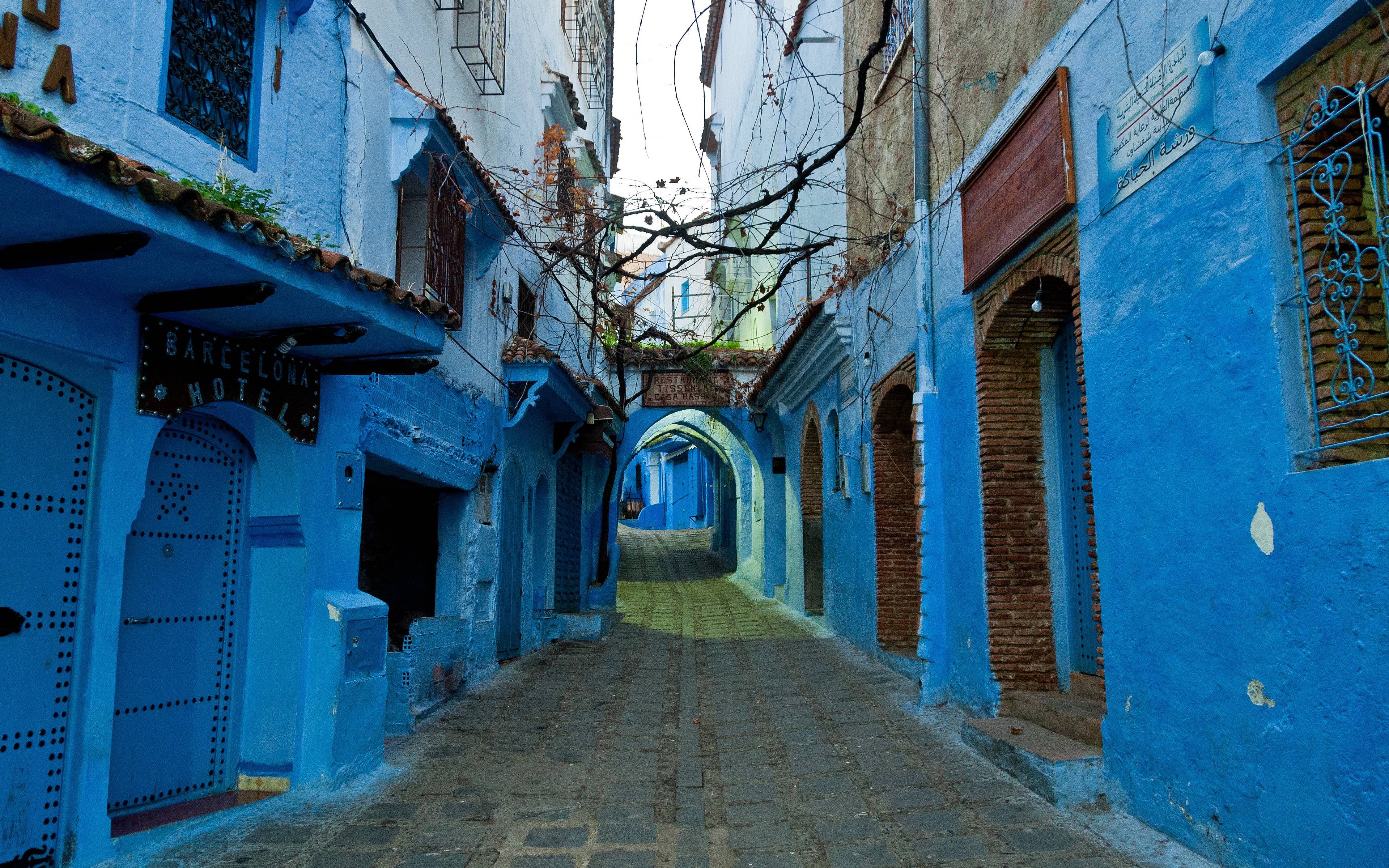
- Chefchaouen – Blue city in the Rif Mountains
- Fes – Imperial city with historic medina
- Marrakech – Souks, gardens, desert excursions
- Casablanca – Modern city with iconic Hassan II Mosque
Best Spain to Morocco Itineraries
Whether you’re planning a short day trip or a week-long adventure, having a clear itinerary helps you maximize your time and enjoy Morocco stress-free. Below are carefully crafted itineraries from Spain to Morocco, covering major cities, attractions, and travel logistics.
1-Day Trip from Spain to Tangier
Perfect for day-trippers from southern Spain (Tarifa, Algeciras, or Málaga).
Itinerary:
- Morning: Take the earliest ferry from Tarifa → Tangier Ville (~45 min).
- Mid-Morning: Explore Tangier Medina and Kasbah.
- Lunch: Try traditional Moroccan cuisine (tagine or couscous) in a local café.
- Afternoon: Visit the American Legation Museum and stroll along the Corniche.
- Evening: Return ferry to Spain.
Tip: Wear comfortable shoes and carry cash in Moroccan Dirhams.
3-Day Trip: Tangier + Chefchaouen
Ideal for travelers who want a mix of city and scenic mountain experiences.
Itinerary:
Day 1:
- Arrive in Tangier by ferry or flight.
- Explore Medina, Kasbah Museum, and cafes.
- Overnight in Tangier.
Day 2:
- Drive or take a bus to Chefchaouen (2–3 hours).
- Explore the blue streets, waterfalls, and local markets.
- Overnight in Chefchaouen.
Day 3:
- Morning walk in Chefchaouen.
- Return to Tangier for evening ferry/flight back to Spain.
Tip: Chefchaouen is pedestrian-friendly, so light luggage is recommended.
5-Day Trip: Tangier → Fes → Chefchaouen
Great for travelers who want culture, history, and mountain scenery.
Itinerary:
Day 1: Tangier – Arrive, explore the city, overnight stay.
lass=”yoast-text-mark” />lass=”yoast-text-mark” />lass=”yoast-text-mark” />><strong>Day 2: Tangier → Chefchaouen – Explore the blue city, overnight stay.
>Day 3:</strong> Chefchaouen → Fes – Travel to Fes (4 hours), explore medina, overnight.
class=”yoast-text-mark” />/>>Day 4: Fes – Visit tanneries, Bou Inania Madrasa, and Souks.
>Day 5: Return to Tangier for ferry or flight back to Spain.
Tip: Hire a local guide in Fes to get insider knowledge of the medina.
7-Day Trip: Tangier → Fes → Meknes → Volubilis → Marrakech
For travelers looking for a more comprehensive Morocco experience from Spain.
<p>Itinerary:<br /><strong>Day 1: Arrive in Tangier, explore city, overnight stay.<br class=”yoast-text-mark” />>Day 2:</strong> Tangier → Chefchaouen, explore blue city, overnight.
>Day 3:</st</strong>rong> Chefchaouen → Fes, visit medina, overnight stay.
ss=”yoast-text-mark” />>Day 4: Fes → Meknes → Volubilis ruins, return to Fes, overnight.
>Day 5:</strong> Fes → Marrakech via flight or train, evening in Marrakech.
>Day 6: Marrakech – Explore Jemaa el-Fnaa, souks, and gardens.
>Day 7: Departure from Marrakech via flight back to Spain.
Tip: Booking internal flights or trains in advance saves time and ensures availability.
Key Travel Tips for All Itineraries
- Always check ferry and flight schedules before planning.
- Carry small cash in Dirhams for markets and taxis.
- Pack light, especially for mountain towns like Chefchaouen.
- Respect local customs, especially in mosques and traditional areas.
- Stay hydrated and plan rest stops during long drives.

Spain to Morocco Travel Tips & FAQ
Traveling from Spain to Morocco is exciting, but knowing the essentials will make your trip smoother. Below are the most frequently asked questions, answered in detail.
Is Morocco Safe for Tourists?
Yes, Morocco is generally safe for tourists. Cities like Tangier, Marrakech, Fes, and Chefchaouen are tourist-friendly.
Tips for Safety:
- Avoid poorly lit streets at night.
- Keep an eye on your belongings in busy markets.
- Use registered taxis or ride-sharing apps.
- Dress modestly, especially in rural areas and religious sites.
Can You Visit Morocco from Spain Without a Visa?
- EU Citizens: No visa required for stays up to 90 days.
- Non-EU Citizens: Check Morocco’s visa requirements; some nationalities require a visa.
Always carry your passport with at least 6 months validity.
Best Time to Travel from Spain to Morocco
- Spring (March–May): Mild weather, perfect for sightseeing.
- Autumn (September–November): Cooler temperatures, fewer tourists.
- Summer (June–August): Hot, especially inland (Marrakech, Fes).
- Winter (December–February): Mild along the coast, cold in the mountains.
What Should I Wear on a Day Trip to Morocco?
- Lightweight, breathable clothing for the day.
- Comfortable shoes for walking in medinas and on uneven streets.
- A scarf or shawl for visiting mosques.
- Layers for coastal mornings and cooler evenings in the mountains.
How Long Is the Ferry Ride from Spain to Morocco?
- Tarifa → Tangier Ville: ~45 minutes
- Algeciras → Tangier Med: 1h 15m – 1h 30m
- Almería → Nador: 5–7 hours
- Barcelona → Tangier/Nador: 28–32 hours
Can You Bring Your Car from Spain to Morocco?
Yes, via ferry. Requirements:
- Car registration documents
- Valid insurance covering Morocco
- Temporary import permit (provided at the port)
Tip: Check ferry vehicle fees in advance; they vary by vehicle size.
Which Spanish City Is Closest to Morocco?
- Tarifa – 14 km across the Strait of Gibraltar
- Algeciras – ~20 km from Tangier
These ports are ideal for short trips or quick ferry crossings.
What Are Must-See Attractions Near the Ports?
- Tangier: Kasbah, American Legation, beaches, Medina.
- Chefchaouen: Blue streets, Ras Elma waterfall, Spanish Mosque viewpoint.
- Marrakech: Jemaa el-Fnaa, Saadian Tombs, Majorelle Garden.
- Fes: Medina, Bou Inania Madrasa, traditional tanneries.