Morocco Travel Insights itinerary 2026: Local Expert Itinerary Planning Guide
You’ve decided on Morocco. Now you’re drowning in Morocco Travel Insights itinerary that all sound identical-Marrakech, Fes, Sahara, rinse, repeat. Ten browser tabs open, each promising “the perfect route,” but none explain how to choose what actually fits your style, timeline, and sanity level.
Tilila Travel helps travelers navigate Morocco with family-run expertise spanning three generations. We don’t copy-paste generic routes-we explain the logic behind smart itinerary design, so you understand what you’re committing to before you book.
How to Actually Plan a Morocco Itinerary
Most travelers start by searching for ready-made routes. That’s understandable-but Morocco doesn’t reward copy-paste planning. Distances are deceptive, climates shift quickly, and some cities demand time while others don’t. Smart planning starts with understanding movement, not lists.
A strong Morocco travel itinerary is built around pace, interests, and tolerance for long drives. Once those are clear, destinations fall into place naturally. This section breaks down why many itineraries fail-and how to avoid those mistakes from the start.
Why Most Morocco Itineraries Feel Rushed
On paper, Morocco looks compact. In reality mountains, desert roads, and medina traffic stretch days longer than expected. Many itineraries underestimate driving times, stacking cities that look closely but feel exhausting back-to-back.
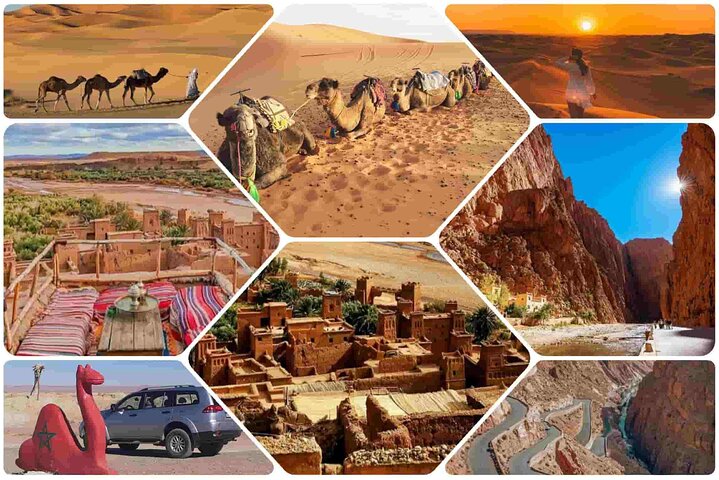
Marrakech Sahara Desert Tour 2 Days
The result is constant motion with little absorption. Travelers arrive, rush highlights, and leave without context. A better approach limits daily transitions and respects recovery time-especially after desert or mountain drives. Slower routes often feel richer, even with fewer stops.
The Route Logic Most Travelers Miss
Morocco routes work best in loops, not straight lines. Entering and exiting cities from the wrong direction adds unnecessary hours and energy loss. This is rarely explained in generic guides.
Local planners think in terms of terrain flow-Atlas crossings, desert access points, and coastal pacing. When routes follow geography instead of wish lists, travel days feel lighter. This logic is central to how Tilila Travel designs every custom itinerary.
Matching Your Itinerary to Your Travel Style
Not everyone experiences Morocco the same way. Some travelers thrive on movement; others need grounding time. Ignoring this creates friction, even on “perfect” routes.
A couple seeking comfort, a family with kids, and a solo traveler all need different pacing. When your itinerary reflects how you travel-not how others do-the entire trip feels easier. This alignment is what turns a good plan into a memorable one.
Choosing the Right Duration for Your Morocco Trip
Trip length doesn’t just change what you see-it changes how Morocco feels. Seven days can be immersive or exhausting. Ten days can feel spacious or tight, depending on routing. Duration shapes everything.
Instead of asking “how many days,” the better question is “how much movement feels right.” A well-timed Morocco travel insights itinerary balances ambition with comfort, especially for first-time visitors.
7-Day Morocco Itinerary: First-Time Essentials
Seven days is ideal for focus, not coverage. One or two regions-never more. The most common mistake is forcing the Sahara into an already full week.
A strong 7-day route usually centers on Marrakech with either the Atlas Mountains or a short desert extension. When paced well, this timeframe delivers intensity without fatigue. Less distance means deeper experience.
Ten days opens Morocco properly. You can combine cities, landscape, and desert without rushing-if the order makes sense.
This is a sweet spot for most travelers. Routes like Marrakech–Atlas–Sahara–Fes work well when drives are spaced and rest days included. At Tilila Travel, most custom itineraries fall into this range for good reasons.
14-Day+ Morocco Itineraries: When Time Is on Your Side
With two weeks or more, Morocco slows down beautifully. You gain room for coastal towns, quieter valleys, and lesser-visited regions.
Longer trips aren’t about adding more places-they’re about reducing pressure. Fewer long drives, more local interaction, and time to adapt. This is when Morocco feels less like a destination and more like a lived experience.
Understanding Morocco’s Most Common Travel Routes
Morocco has a few well-known routes that appear in almost every itinerary. Some work beautifully. Others only work under the right conditions. The difference isn’t popularity-it’s timing, direction, and traveler expectations.
Top Active Experiences in Morocco for Adventure
A smart Morocco travel itinerary explains when a route makes sense and when it creates unnecessary pressure. Understanding these core paths helps you choose with intention instead of defaulting to what everyone else does.
This is Morocco’s most shared route-and the most misunderstood. It works best with at least nine or ten days, allowing proper spacing between long desert drives and city recovery time.
When rushed, this loop becomes exhausting. When planned well, it’s powerful: dramatic landscapes, cultural contrast, and a natural geographic flow. The key is respecting the Sahara as a full experience, not a one-night stop squeezed into a tight schedule.
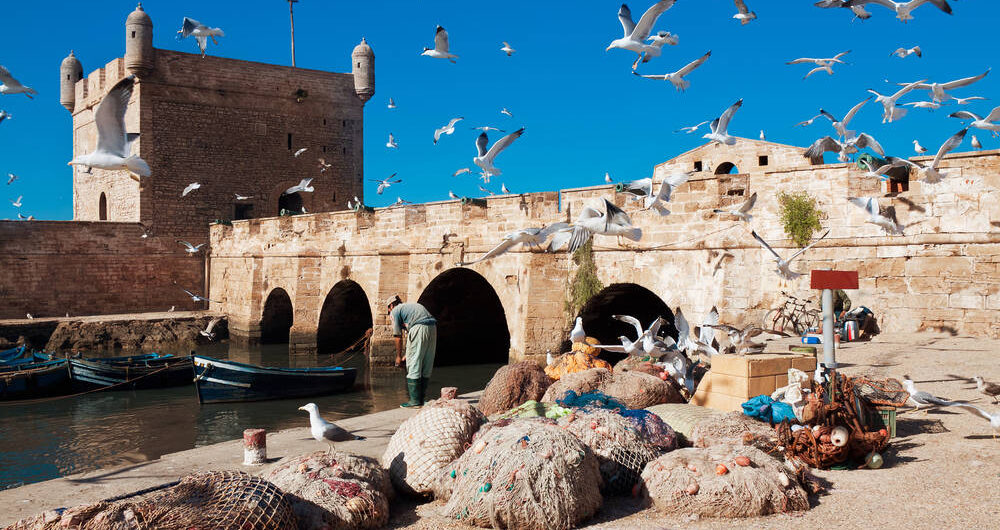
Coastal routes are often overlooked, yet they offer some of the most relaxed travel in the country. Towns like Essaouira, Asilah, and Tangier move at a gentler pace and pair well with city-heavy itineraries.
These routes shine in warmer months when inland cities heat up. Fewer long drives, cooler air, and walkable medinas make coastal planning ideal for families and slower travelers seeking balance.
Atlas Mountains & Berber Villages Route
Mountain routes are about depth, not speed. The High Atlas and surrounding valleys reward travelers who slow down and stay overnight instead of treating them as day trips.
This route works especially well for those interested in culture, hiking, and local life. Roads are winding but scenic, and the experience feels grounded. It’s a natural counterbalance to busy imperial cities.
How to Build a Custom Morocco Travel Insights Itinerary
Customization isn’t about adding more places-it’s about removing friction. The best itineraries feel effortless because choices were made early and intentionally.
At Tilila Travel, custom planning means aligning regions, seasons, and energy levels into a single, coherent route. This section explains how those pieces fit together in real travel conditions.
Mixing Cities, Desert, Coast & Mountains Without Overdoing It
Trying to see everything is the fastest way to enjoy nothing. Morocco works best when itineraries combine two, sometimes three, environments-not all of them.
Cities pair well with either desert or mountains. The coast pairs well with culture. Desert plus coast rarely fits short trips. Knowing which combination creates harmony keeps travel days reasonable and experiences meaningful.
Seasonal Planning That Actually Changes the Route
Season matters more in Morocco than most guides admit. Summer heat reshapes inland travel. Winter snow affects mountain passes. Spring and autumn open everything-but still require smart pacing.
A true Morocco travel itinerary adapts routes, not just dates. Coastal swaps, altitude adjustments, and rest-day placement make seasonal travel comfortable instead of challenging.
Budget Differences Between Route Types
Not all routes cost the same. Desert itineraries require private transport and overnight camps. Coastal routes can be simpler. Mountain stays vary widely by comfort level.
Understanding these differences early prevents surprise compromises later. Budget planning isn’t about cutting-it’s about choosing the right regions for your comfort and expectations.
Real-World Logistics Most Morocco Guides Skip
Beautiful routes fail when logistics are ignored. Morocco rewards planning that respects distance, road conditions, and energy levels-not just attraction lists.
A practical Morocco travel itinerary accounts for how days actually unfold on the ground. This is where many online guides fall short, and where local experience makes the biggest difference.
Actual Drive Times Between Major Destinations
Google Maps is optimistic in Morocco. Mountain roads, medina traffic, photo stops, and tea breaks stretch timelines naturally.
Marrakech to Fes via the desert isn’t a quick hope-it’s a full travel day, sometimes two. When drive times are planned honestly, arrivals feel calm instead of rushed. This single adjustment improves the entire trip experience.
Choosing the Right Transportation for Your Route
Transport choice shapes comfort more than hotels. Shared tours limit flexibility. Trains work well between major cities. Private vehicles offer the most control, especially for mixed routes.
The right option depends on pace, group size, and tolerance for unpredictability. At Tilila Travel, transport is selected after the route-not the other way around.
Where to Slow Down vs Where to Move Faster
Some places ask for time. Fes needs patience. Desert nights need recovery. Others like Casablanca work as brief stops.
Knowing where to linger and where to keep moving prevents burnout. This balance turns a busy itinerary into a smooth one, without reducing what you actually see.
Timing changes everything in Morocco. Routes that thrive in April can feel unbearable in August. The best itinerary means nothing if planned for the wrong season.
Morocco has four distinct climate zones happening simultaneously. Coastal cities stay mild. Inland deserts swing from freezing nights to scorching days. Mountains close under snow. Plan for the region you’re visiting, not “Morocco” as a whole.
Spring & Fall: Peak Season for Good Reason (March-May, Sept-Nov)
These months’ work everywhere. Temperatures sit in the comfortable 20-25°C range across most regions. Desert nights stay warm enough for camping. Mountain roads remain open and green. Spring brings blooming valleys and longer daylight. Fall offers harvest season in valleys and smaller tourist crowds after summer.
The trade-off? Slightly higher accommodation prices in popular areas and advance booking becomes more important. But the comfortable travel conditions justify it.
Summer in inland cities (Marrakech, Fes) can hit 40°C+. The Sahara becomes genuinely hostile midday. But this doesn’t mean avoiding Morocco-it means routing smarter.
Coastal itineraries shine now. Essaouira, Asilah, Tangier stay breezy and pleasant. Mountain regions like the High Atlas or Ifrane offer natural air conditioning and hiking weather. Combine coast and mountains, skip desert and inland cities.
If you must visit Marrakech or Fes in summer, plan indoor activities for midday (museums, cooking classes, hammams). Schedule outdoor exploration for early morning or evening. One adjustment makes July viable.
Winter Routes: Desert & Cities Without the Heat (Dec-Feb)
Winter flips the script. The Sahara becomes ideal-warm days, cool nights perfect for sleeping. Marrakech and Fes feel comfortable for walking medinas all day. Coastal towns stay mild but can get rain.
The catch? High Atlas passes sometimes close due to snow. Mountain trekking becomes limited or impossible depending on elevation. If your itinerary centers on Atlas hiking, winter doesn’t work.
December through February favors cultural city routes combined with desert experiences. This is when Tilila Travel books the most imperial cities + Sahara loops-the weather actually enhances that combination.
How Tilila Travel Designs Morocco Itineraries Differently
Local knowledge isn’t just about places-it’s about judgment. Knowing when to say no to a destination is as important as knowing where to go.
Tilila Travel approaches itinerary planning as problem-solving, not selling routes. The focus is comfort, flow, and confidence from arrival to departure.
Why Local Family Knowledge Matters
Morocco changes constantly-roads, seasons, crowd patterns. Local families adapt instinctively because they live it daily.
This insight shapes smarter routing, better timing, and realistic expectations. It’s the difference between following a plan and understanding a place.
Flexible vs Fixed Itineraries: What Works Better
Fixed itineraries look simple but leave little room for weather, energy, or curiosity. Flexibility allows adjustment without stress.
Well-designed flexible routes keep structure while allowing breathing room. That balance is what most travelers remember most fondly.
How Common Travel Concerns Are Handled
Questions about safety, comfort, food, and pacing are normal. Ignoring them creates anxiety.
Addressing them early builds trust and ease. This proactive approach is why many travelers choose a guided, locally designed Morocco travel insights itinerary over self-planning.
Safety, Comfort & Cultural Navigation by Route
Morocco is generally safe, but comfort and confidence depend heavily on how routes are planned. Certain cities demand mental energy. Others offer rest. Ignoring this balance is what makes travelers feel overwhelmed rather than enriched.
A thoughtful Morocco travel insights itinerary anticipates pressure points and builds in ease-through pacing, accommodation choice, and realistic expectations. Safety here isn’t just about crime; it’s about emotional and physical comfort.
Solo Female Travel & Route Planning
Solo female travelers do very well in Morocco when routes are chosen carefully. Cities like Essaouira, Rabat, and Chefchaouen feel calmer, while places like Marrakech and Fes require more awareness.
Smart routing limits late-night arrivals, reduces unnecessary exposure to high-pressure zones, and prioritizes walkable areas. With the right structure, solo travel in Morocco feels empowering, not intimidating.
Family-Friendly Morocco Itinerary Adjustments
Children experience Morocco differently. Long drives, extreme heat, and Medina overload can drain energy fast.
Family-friendly itineraries shorten travel days, add recovery time, and favor interactive experiences over constant sightseeing. Mountains, coasts, and spacious riads often work better than dense city hopping.
Avoiding Overwhelm in Busy Cities
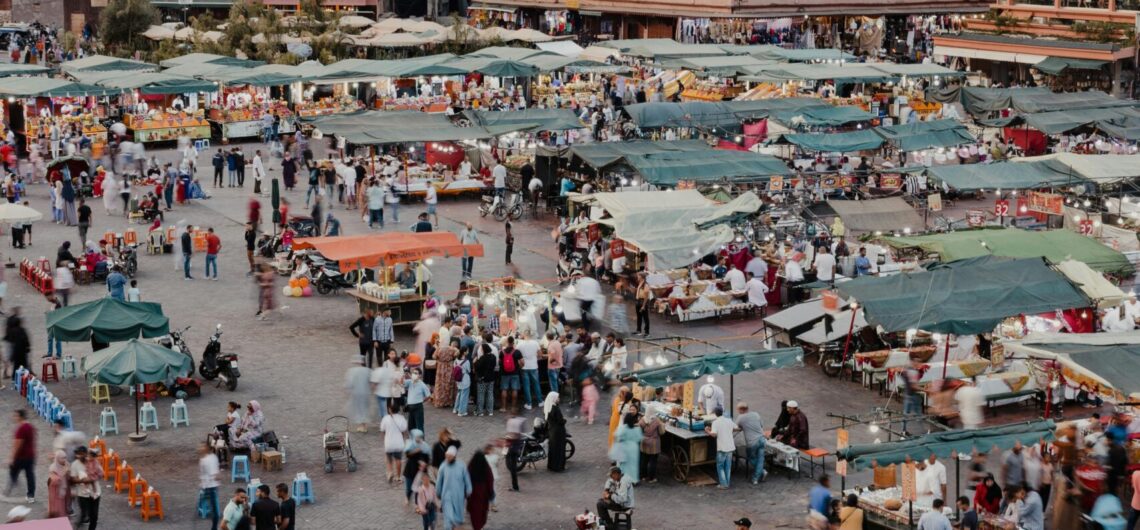
Cities like Marrakech and Fes are intense by design. The goal isn’t to avoid them, it’s to enter them prepared.
Arriving after a rest day, staying inside the medina, and planning guided time early reduces friction. When handled well, even the busiest cities become highlights rather than stress points.
Frequently Asked Questions About Morocco Itineraries
What is the best Morocco travel insights itinerary for first timers?
For first-time visitors, the best Morocco travel itinerary focuses on flow, not volume. A 7–10-day route combining Marrakech, the Atlas Mountains, and either Fes or a short Sahara experience works best. This balance avoids long, draining drives while still delivering culture, landscapes, and contrast.
How many days do you really need to see Morocco properly?
You can experience Morocco in 7 days, understand it in 10 days, and truly settle into it in 14 days or more. Anything shorter requires focus. Anything longer rewards slower travel and deeper regional exploration.
Is the Sahara Desert worth adding to a short itinerary?
The Sahara is unforgettable, but it’s not always the right choice. On trips under 8 days, desert travel often dominates the schedule. For shorter itineraries, mountains or coastal routes can feel more rewarding with less time transit.
Can a Morocco itinerary be customized after booking?
Yes, if flexibility is built in from the start. With Tilila Travel, itineraries are designed to allow adjustments for pace, weather, or personal preference without disrupting the entire route.
When is the best time of year for different Morocco routes?
Spring and autumn are ideal nationwide. Summer favors coastal and mountain routes. Winter works well for cities and desert travel but may limit high-altitude areas. A smart Morocco travel insights adapts routes to season, not just dates.
Are Morocco itineraries safe for solo female travelers?
Yes, with proper planning. Route choice, arrival timing, accommodation location, and pacing all matters. Many solo female travelers feel most comfortable on itineraries designed with these factors in mind.
What cities pair best together for a first Morocco trip?
Marrakech pairs well with the Atlas Mountains or Essaouira. Fes pairs well with Chefchaouen. Combining both ends of the country works best with at least 10 days and smart routing.