
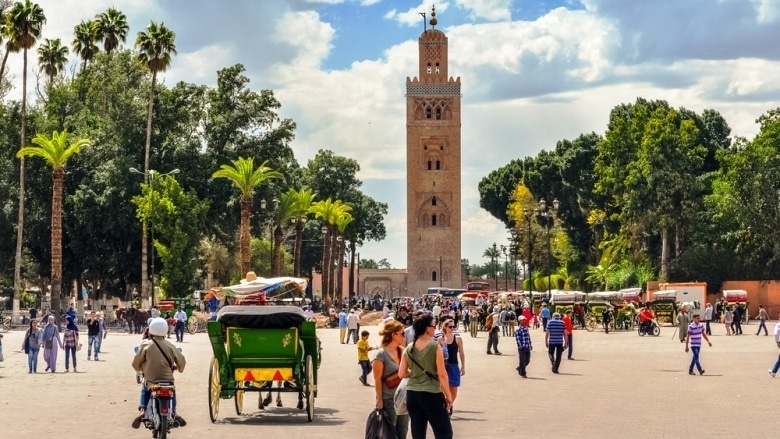
Is Morocco Safe for Tourists?
Morocco Safety Travel Tips, Morocco is generally considered a safe and welcoming country for tourists, attracting millions of international visitors each year. Cities like Marrakech, Fes, Casablanca, and Tangier are bustling with travelers, while the Sahara Desert, Atlas Mountains, and coastal towns offer peaceful, scenic escapes.
The Moroccan government prioritizes tourism safety, and most travelers explore the country without encountering serious problems. However, as with any popular destination, being aware of your surroundings and following basic travel precautions can enhance your safety, especially in crowded medinas and tourist hotspots.
To make your trip even smoother, many travelers choose guided trips such as
Private Morocco Tours offering expert local guides, safe transportation, and personalized itineraries. This ensures a stress-free travel experience while exploring Morocco’s highlights.

Safety Overview for Solo Travelers
Solo travel especially solo female travel is increasingly popular in Morocco. The locals are generally kind and helpful, and most solo visitors report feeling safe. Still, it’s wise to:
- Stick to well-lit areas at night
- Avoid overly quiet streets after sunset
- Walk confidently and avoid sharing your accommodation details with strangers
If you prefer a more structured experience, consider joining one of our Morocco Travel Packages designed for solo and small-group travelers. These tours help you explore comfortability without worrying about navigation or safety.
Safety for Families & Couples
Families and couples usually find Morocco extremely safe and enjoyable. The country offers family-friendly attractions, calm beach towns, and desert activities perfect for bonding moments. Safety tips include:
- Keeping children close in busy souks
- Choosing hotels or riads in central, reputable neighborhoods
- Using registered guides for sightseeing
Families often choose Morocco Desert Tours because they include safe 4×4 transport, professional drivers, and secure desert camps.
What to Expect in Cities vs. Rural Areas
Urban areas like Marrakech and Fes are lively and culturally rich—but can feel overwhelming due to crowds, motorbikes, and persistent vendors. Pickpocketing can occur in busy medinas, so keep valuables secure.
Rural areas—such as the Sahara Desert, Dades Valley, Chefchaouen, and Berber villages—are extremely peaceful and safe. Crime is rare, and locals are known for their warmth and hospitality.
To experience both sides of Morocco safely with professional guidance, explore our curated Best Morocco Itineraries.
Common Tourist Scams in Morocco & How to Avoid Them
Like many tourist-heavy destinations, Morocco has a few common scams. The good news? They’re easy to avoid once you know what to look for. Most locals are incredibly kind and honest, but in busy markets or crowded medinas, a small number of individuals may attempt to take advantage of visitors.
Here are the most common scams and how to protect yourself:
Fake Guides
Unofficial guides may approach you offering help or to show you around. They often demand money afterward or take you to shops where they earn commission.
How to avoid it:
- Only hire licensed guides
- If someone follows you persistently, firmly say “No thank you”
- Book tours in advance with trusted companies
For worry-free exploration, book your trips with Tilila Travel’s Licensed Morocco Tours — offering verified guides, real historical knowledge, and no hidden costs.
Taxi Overcharging
Some taxi drivers may avoid using the meter and ask for inflated prices—especially near airports or tourist spots.
How to avoid it:
- Always ask for the meter (Compteur, s’il vous plaît)
- Negotiate the price before entering if no meter is used
- Use registered taxi stands or ride apps like Careem
Many visitors prefer guided transportation included in Morocco Private Tours to avoid the hassle altogether.
Market Bargaining Scams
In souks, shopkeepers may start with high prices expecting negotiation. This is normal in Morocco, but tourists sometimes overpay due to inexperience.
How to avoid it:
- Start bargaining at 30–40% of the initial price
- Never show too much excitement
- Walk away if the seller refuses many will call you back with a lower offer
Protecting Your Belongings
Pickpocketing can occur in very crowded areas like Jemaa el-Fna (Marrakech) or busy souks.
Tips:
- Keep your phone in a zipped pocket
- Use anti-theft bags
- Avoid leaving valuables visible
Travelers who join Guided Morocco Tours often feel safer because they’re accompanied by experienced local guides who know the safest routes.
Transportation Safety Tips in Morocco
Transportation in Morocco is generally reliable, with many options for travelers including taxis, trains, buses, and private 4×4 vehicles. Still, understanding how each system works helps you stay safe and avoid unnecessary stress. Whether you’re exploring Marrakech, traveling across cities, or heading deep into the Sahara Desert, following the tips below will make your journey smoother and more secure.
Safe Taxis & Ride Apps
Taxis are the most convenient way to move around major cities. Morocco has two main types:
- Petit Taxis: For city rides
- Grand Taxis: For longer intercity routes
Safety Tips:
- Always request the meter (compteur) for Petit Taxis.
- Avoid unregistered taxis or drivers waiting far from taxi stands.
- Keep small bills for payment.
- Ride apps like Careem and Roby are reliable and safe in major cities.
However, many travelers prefer pre-arranged, safe transportation offered in our
Private Morocco Tours
These tours include professional drivers, clean vehicles, and transparent pricing—eliminating taxi negotiations and unexpected costs.
Train, Bus & Car Rental Safety
Morocco’s train network (ONCF) is modern, fast, and extremely safe. Trains are the best way to travel between cities like Casablanca, Rabat, Fes, and Tangier.
Tips for safe rail travel:
- Book tickets in advance during peak seasons
- Keep your luggage within sight
- Choose 1st class for extra comfort and security
For areas not covered by trains, long-distance buses such as CTM and Supratours are reliable and secure.
Car Rental Safety:
Renting a car is an option if you plan to explore mountains, beaches, or small towns. Make sure to:
- Rent from reputable companies
- Take photos of the car before driving
- Avoid driving in unfamiliar rural roads at night
If you prefer professional handling of logistics, our Morocco Travel Packages include safe, private transportation with expert drivers who know the safest routes and road conditions.
Desert Tours & 4×4 Safety Guidelines
Traveling to the Sahara Desert is one of Morocco’s most unforgettable experiences—but safety depends heavily on choosing the right tour provider.
To stay safe:
- Only book desert trips with certified, experienced tour companies
- Avoid very cheap offers in the medina — they often use unlicensed drivers
- Ensure your 4×4 vehicle has proper safety equipment
- Choose camps with clean facilities and trusted staff
This is why thousands of travelers trust
Morocco Desert Tours
which include insured 4×4 vehicles, professional desert drivers, and secure, well-equipped desert camps.
Cultural Etiquette & Dress Code for Safety
Morocco is a warm, welcoming country, but it is also culturally conservative—especially outside major cities. Respecting local customs not only makes your trip more enjoyable but also helps you stay safe, avoid unwanted attention, and connect more deeply with locals. Following the right etiquette and dressing appropriately will help you blend in comfortably.
Respecting Local Customs
Moroccans value politeness, hospitality, and respect. Being mindful of a few cultural norms goes a long way in ensuring a pleasant experience.
Etiquette Tips:
- Greet people with a smile and a friendly “Salam Alaikum.”
- Avoid public displays of affection, especially in rural areas.
- Always ask permission before photographing locals, especially women.
- When entering someone’s home, remove your shoes if requested.
Understanding the culture also makes guided experiences more enjoyable. Many travelers choose Private Morocco Tours because local guides explain traditions, help with communication, and provide a safer cultural experience overall.
Clothing Recommendations for Men & Women
While Morocco does not require tourists to dress in traditional clothing, dressing modestly is greatly appreciated and often enhances your sense of security.
For Women:
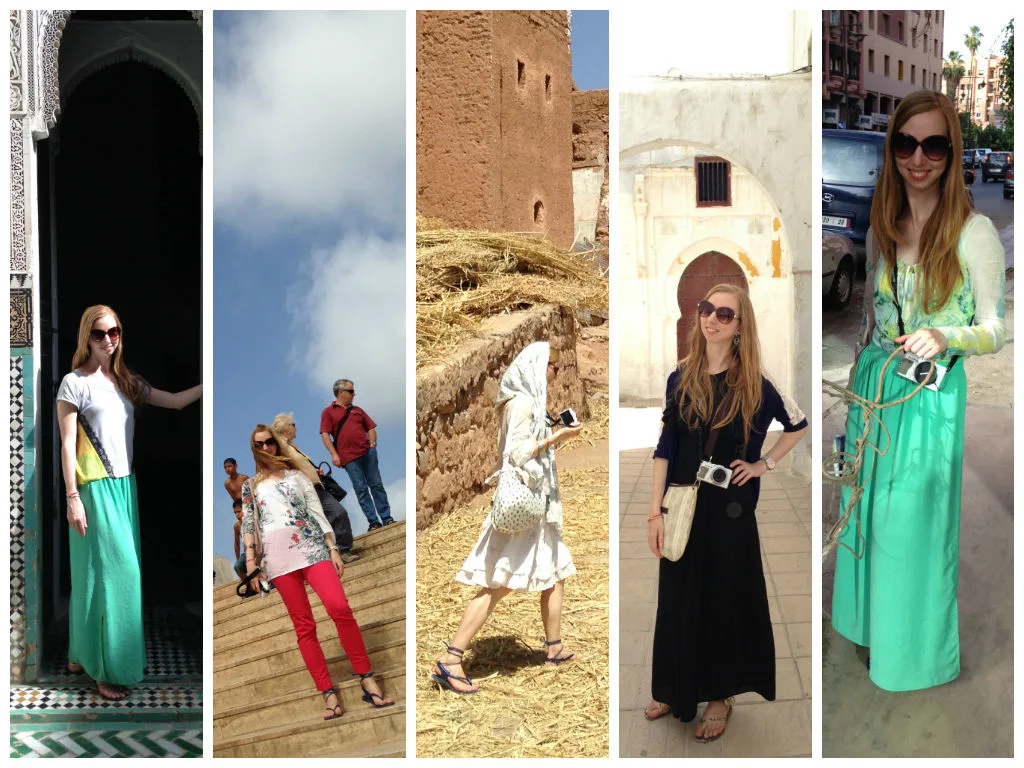
- Wear loose-fitting clothing that covers shoulders and knees.
- Maxi dresses, long skirts, and breathable tops work perfectly.
- In very conservative areas, a lightweight scarf can help you feel more comfortable.
For Men:
- T-shirts and long pants are the most appropriate.
- Shorts are acceptable in touristy areas but may stand out in rural towns.
If you’re traveling on one of our Morocco Travel Packages, your guide can advise you on dress expectations in each region, making you feel confident and comfortable.
Behavior Tips in Medinas & Souks
Morocco’s medinas are vibrant, colorful, and full of life—but they can feel overwhelming for first-time visitors. Understanding how to navigate them respectfully and safely is important.
Medina Safety & Etiquette Tips:
- Walk with purpose and avoid standing in narrow pathways.
- Keep bags closed and in front of you in crowded souks.
- Vendors may call out to attract customers; a polite “No, thank you” is enough if you’re not interested.
- Avoid accepting unsolicited “help” from strangers—this often leads to tipping requests.
Booking a guided exploration—like our expertly crafted Guided Medina Tours in Morocco—ensures you walk through markets safely, learn cultural facts, and avoid common scams.
Health & Hygiene Safety Tips
Staying healthy during your Morocco trip is just as important as staying safe. While the country offers delicious cuisine, warm weather, and diverse landscapes, travelers should follow simple health and hygiene precautions to avoid illness or discomfort. With the right preparation, you can explore Morocco confidently and enjoy your journey without interruptions.
Food & Water Safety
Moroccan food is flavorful, fresh, and one of the top highlights of any trip. However, new environments and unfamiliar ingredients can affect sensitive stomachs.
Tips to stay healthy:
- Eat at clean, busy restaurants where the food turnover is high.
- Avoid street foods that seem undercooked or have been sitting out too long.
- Choose bottled water instead of tap water.
- Avoid ice in drinks unless you’re sure it’s from purified water.
- Peel fruits yourself or choose cooked dishes when unsure.
If you book one of our Morocco Travel Packages, your guide will recommend safe and reputable restaurants during your trip.
Staying Hydrated in Hot Regions
Morocco’s climate varies by region, but places like Marrakech, the Sahara Desert, and southern valleys can get extremely hot—especially during summer.
Stay safe with these hydration tips:
- Drink plenty of water throughout the day.
- Carry a reusable bottle when exploring medinas or during road trips.
- Wear lightweight, breathable clothing to stay cool.
- Take breaks in shaded areas when walking long distances.
- Avoid intense activities during peak afternoon heat.
During Morocco Desert Tours, your driver and guide ensure you stay hydrated and take regular stops to rest, making the journey safe and comfortable.
Required & Recommended Vaccinations
Morocco does not require specific vaccinations for entry, but the following are commonly recommended for international travel:
- Routine vaccines (MMR, tetanus, diphtheria)
- Hepatitis A (recommended for food travelers)
- Typhoid (optional for rural travel)
It’s always best to consult your doctor before your trip, especially if you’re planning outdoor activities, hikes, or desert experiences.
For personalized guidance and well-organized itineraries that reduce health risks on the road, explore our Private Morocco Tours packed with safe activities and trusted accommodations.
Safety Tips for Solo Female Travelers
Morocco is an increasingly popular destination for solo female travelers thanks to its rich culture, friendly locals, and unique landscapes. While most women travel without major safety issues, being aware of cultural norms and taking a few precautions can make your experience smoother, more comfortable, and far more enjoyable.
Areas to Avoid at Night
Moroccan cities are lively during the day, but like anywhere in the world, some areas become less safe at night.
General guidelines:
- Avoid dark, empty alleys inside medinas after sunset.
- Stay in well-lit, busy areas if exploring at night.
- Use registered taxis or private drivers instead of walking long distances.
- Choose accommodations in reputable neighborhoods close to main attractions.
Many solo female travelers prefer structured trips such as
Private Morocco Tours
because they include safe transportation, trusted drivers, and secure, vetted riads.
How to Handle Unwanted Attention
It’s common for female tourists to receive occasional comments or offers from shopkeepers or young men in busy areas. While most are harmless, they can feel uncomfortable.
How to manage the situation:
- Walk confidently and avoid prolonged eye contact.
- Respond with a firm but polite “No, thank you.”
- Ignore persistent comments and keep walking.
- Avoid engaging with strangers who approach you too eagerly.
Traveling with expert local guides through our
Morocco Guided Tours
ensures you have support, cultural insights, and safe pathways through cities like Marrakech and Fes.
Safe Accommodations & Transport
Choosing the right accommodation is essential for solo female travelers.
Tips for choosing safe stays:
- Book well-reviewed riads or hotels in central, safe districts.
- Ensure the property has 24/7 reception or security.
- Prefer places with verified ratings from female travelers.
Transport safety tips:
- Use official taxis or ride apps in big cities.
- Avoid crowded, unregulated buses.
- Consider private transfers for intercity travel, especially after dark.
Our Morocco Travel Packages include handpicked accommodations, safe transport, and experienced guides — ideal for women traveling alone who want comfort and peace of mind.

Emergency Contacts & Laws Travelers Should Know
Understanding local laws and knowing who to contact in an emergency can significantly improve your sense of safety while traveling in Morocco. Although most trips go smoothly, being prepared gives you extra confidence—whether you’re exploring busy cities, remote villages, or the Sahara Desert.
Police Contact Numbers
Morocco has multiple emergency numbers depending on the type of situation. Keep these saved on your phone during your trip:
- Police (Cities): 19
- Gendarmerie Royale (Rural Police): 177
- Ambulance & Fire Services: 150
- General Emergency Number (Mobile phones): 112
If you need on-ground assistance during your guided journey, our team is always available through
Tilila Travel’s Morocco Tours
offering reliable communication and 24/7 support throughout your trip.
Medical Emergency Info
Morocco has modern hospitals and private clinics in major cities like Marrakech, Casablanca, Rabat, and Tangier. Pharmacies are also easy to find and usually well-stocked.
What to do during a medical emergency:
- Call 150 or go directly to a nearby clinic.
- Carry your travel insurance details at all times.
- Choose private hospitals for faster, higher-quality treatment.
- Keep a basic first-aid kit in your bag — especially when traveling to the desert or mountains.
Nationwide tours such as our
Morocco Travel Packages
include well-planned routes and experienced guides who can quickly assist with any medical needs.
Important Rules & Regulations
While Morocco is tourist-friendly, there are certain laws and cultural expectations visitors should respect to avoid misunderstandings.
Key rules to keep in mind:
- Illegal drugs are strictly prohibited and heavily penalized.
- Drinking alcohol in public areas is not allowed; only in licensed venues.
- Respect religious sites—some mosques do not allow non-Muslim visitors.
- Avoid photographing police, military buildings, or government facilities.
- Always carry a copy of your passport or ID card.
Following these rules helps ensure a smooth and respectful experience. Travelers who join our
Private Morocco Tours
benefit from guidance on local laws, safe navigation, and cultural do’s and don’ts.
Why Booking a Guided Tour Makes Travel Safer
Exploring Morocco independently can be exciting, but booking a guided tour significantly reduces risks and enhances your overall experience. From urban adventures to remote desert explorations, having local experts by your side ensures a secure, seamless, and stress-free journey.
Local Experts
Professional guides know Morocco’s cities, medinas, and rural areas inside out. They can:
- Navigate busy markets and avoid tourist traps
- Explain cultural norms and customs to prevent misunderstandings
- Offer advice on safe neighborhoods and routes
- Share insider tips for authentic experiences
Many travelers choose Private Morocco Tours to access expert guides who provide both safety and cultural insight, making the trip far more enjoyable.
Transportation Convenience
Transportation in Morocco can be confusing for first-time visitors. Guided tours handle:
- Airport transfers
- Train and bus coordination
- Safe 4×4 desert excursions
- Reliable intercity transport
With Morocco Travel Packages, travelers get worry-free logistics, leaving them free to enjoy the scenery, culture, and cuisine without safety concerns.
24/7 Support & Planning Assistance
Booking a guided tour means having access to round-the-clock assistance:
- Immediate help in emergencies
- Recommendations for safe restaurants, attractions, and activities
- Flexible planning that adapts to your preferences
- Assistance with language barriers
Our Morocco Desert Tours and other curated packages provide full support throughout your journey, ensuring a smooth and safe experience from start to finish.

Frequently Asked Questions (FAQs)
Q1: Is Morocco safe for American and European tourists?
Yes, Morocco is generally safe for tourists from the US, Europe, and other regions. Most visits are trouble-free, especially when you follow basic safety tips, avoid isolated areas at night, and use trusted guides or Morocco Travel Packages.
Q2: Is Morocco safe for solo female travelers?
Yes, solo female travelers can enjoy Morocco safely. Staying aware of cultural norms, dressing modestly, avoiding deserted areas at night, and joining Private Morocco Tours greatly reduces risk.
Q3: What areas should tourists avoid?
Avoid poorly lit alleys in medinas at night, isolated rural roads, and any suspicious gatherings. Guided tours, like Morocco Desert Tours, help travelers explore safely even in remote regions.
Q4: Are Moroccan taxis safe?
Registered taxis are generally safe, especially when using ride apps or negotiating the price beforehand. For stress-free transport, many travelers book tours with Tilila Travel which include safe private transfers.
Q5: What should I do if I lose my passport?
Immediately contact local police and your embassy. Keep copies of your passport and ID stored separately from the originals. Travelers on Morocco Travel Packages often benefit from guides who assist with emergency procedures.