Imperial cities of Morocco and the Sahara Desert:
Welcome to Morocco: Imperial Cities & The Sahara Desert. Four historically notable cities that were capitals of different dynasties are known as Morocco’s Imperial Cities.
Explore the following cities, which are renowned for their distinctive fusion of Islamic architecture, lively culture, and historical significance: Marrakech, Fez, Rabat, and Meknes.
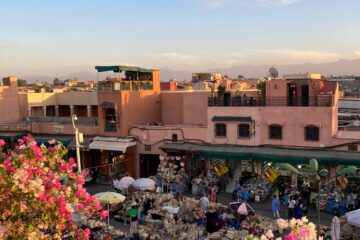
Marrakech: The Red City is its nickname. Marrakech’s lively, frenetic, and colorful atmosphere highlights Morocco’s traditional crafts and contemporary cosmopolitan spirit.
Highlights:
Jemaa el-Fnaa: A bustling square including traditional musicians, food vendors, and snake charmers.
Majorelle Garden: A tranquil garden with vivid cobalt-blue architecture and unique plants.
Koutoubia Mosque: A famous mosque with a remarkable minaret from the 12th century.
Fes: Fez is regarded as a center for religious and intellectual learning and nevertheless has a medieval charm.
Highlights:
The oldest medina in Morocco, Fez el-Bali, is home to quaint workshops and winding passageways.
Al-Qarawiyyin University: The oldest university in the world still in operation, it was founded in 859 AD.
Tanneries: Known for producing leather, the tanneries are a must-see because of their colorful dye pits.
Medina: Extensive tilework embellishes the medina’s great entrance, Bab Boujloud (Blue Gate).
Rabat: Rabat is a clean, well-organized city that blends cosmopolitanism and historical grandeur.
The Modern Capital is its nickname. Highlights:
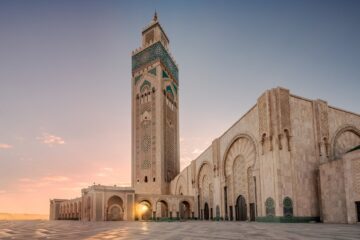
Hassan Tower: A 12th-century mosque that is still incomplete but features a tall minaret.
Kasbah of the Udayas: A charming stronghold with a view of the Atlantic.
Royal Palace: A representation of governmental authority, the residence of the King of Morocco.
Modernity: The Mohammed VI Museum of Modern and Contemporary Art and other contemporary cultural institutions coexist with Rabat’s historical legacy.
Meknes:
Royal Stables: An enormous building designed to accommodate thousands of horses.
Heri es-Souani: Granaries that highlight Sultan Moulay Ismail’s inventive architectural style.
Close to Meknes, the Roman ruins of Volubilis enhance the city’s historical appeal.
Morocco’s Sahara Desert
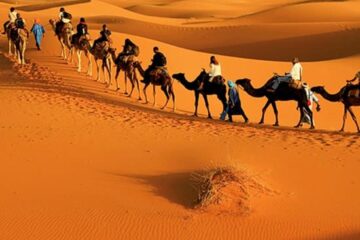
One of Morocco’s most recognizable landscapes is the Sahara Desert, which stretches over a sizable portion of the country’s southeast. It is a paradise for adventurers and nature lovers because of its golden dunes, isolated oases, and nomadic culture.
The Moroccan Sahara’s Features
Dunes: Near Merzouga, Erg Chebbi is renowned for its imposing golden dunes, some of which are more than 150 meters high.
Erg Chigaga, located near M’Hamid, offers a more untamed desert experience and is characterized by its isolation and lower visitor numbers.
The Tafilalt Oasis and the Draa Valley are examples of verdant regions that provide dramatic contrasts to the surrounding desert. Imperial Cities & The Sahara Desert
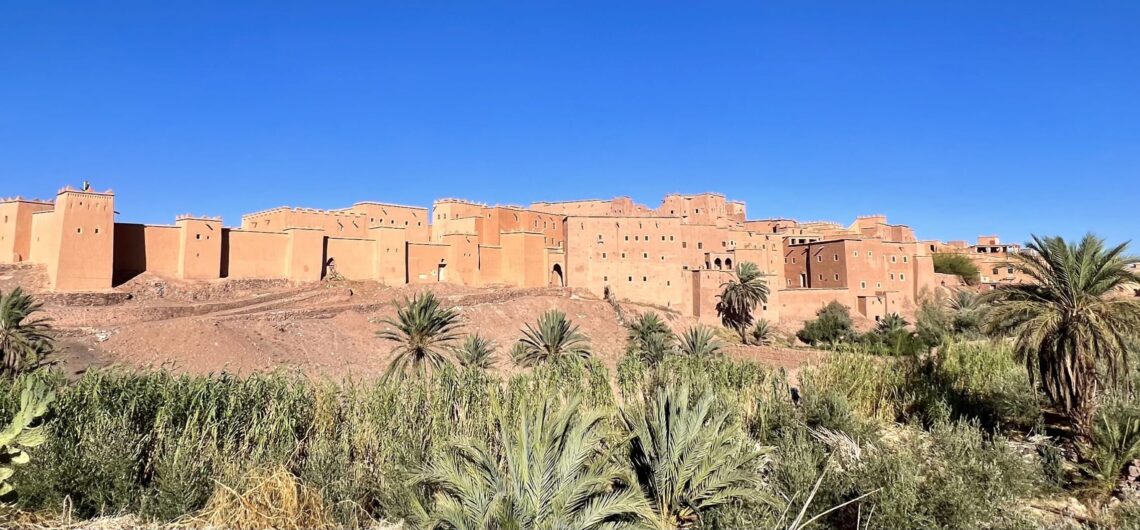
Old kasbahs and palm groves pepper the area.
The Culture of Nomadism:
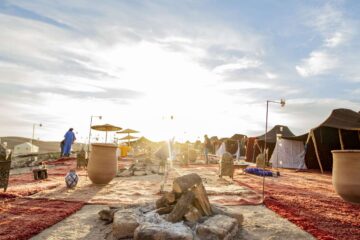
Berber Nomads: Indigenous groups that follow centuries-old customs to traverse the desert. Tented camps and camel caravans provide a glimpse into the nomadic way of life.
Special Plants and Animals: Imperial Cities & The Sahara Desert
Date palms, acacia trees, camels, and desert foxes are among the creatures that thrive in the Sahara despite its tough environment.
Activities: Imperial Cities & The Sahara Desert
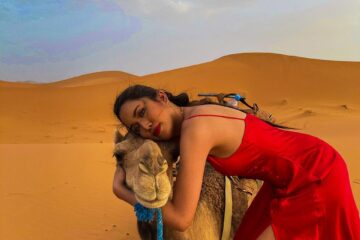
Camel Trekking: Stunning vistas of the dunes and a classic desert experience.
Stargazing: The Sahara is a wonderful place to see the night sky because of its remote location.
A fantastic way to experience the huge desert is by quad biking.
During visits to Kasbahs, explore walled settlements such as Ait Benhaddou, a UNESCO monument frequently portrayed in movies.
Climate:
The evenings can be chilly, especially during the winter, while the days are scorching.
Historical and Cultural Morocco Tours
The Sahara displays the tenacity of its people and the enduring beauty of nature, while the cities display the intellectual and architectural legacies of Islamic rulers.
Collectively, they contribute significantly to Morocco’s allure and identity.