
Morocco is one of the most geographically diverse beach destinations in North Africa, with coastlines stretching along both the Atlantic Ocean and the Mediterranean Sea. Because of this unique position between two major bodies of water, Morocco’s beach weather varies significantly depending on the region and season. Choosing the best time to visit Morocco for beaches depends on whether you prioritize warm swimming conditions, surfing waves, fewer crowds, or vibrant summer energy.
In general, the best months for a Morocco beach holiday are September and October. During this period, sea temperatures remain warm from the summer heat, air temperatures are comfortable, and tourist crowds begin to decrease. If you prefer peak summer vibes with lively promenades and full beach facilities, June through August offers the warmest air temperatures. However, if surfing is your goal, the Atlantic coast performs best from November to March when ocean swells are strongest.

Morocco’s coastal climate is shaped by Atlantic currents, Mediterranean sea patterns, and seasonal wind systems. This means beach conditions in Agadir can feel very different from those in Al Hoceima at the same time of year. Understanding these regional differences is essential when planning your Morocco beach vacation, especially if swimming, sunbathing, or water sports are central to your trip.
Whether you’re seeking a relaxed seaside escape, a family-friendly beach holiday, or an active surf adventure, timing your visit correctly will ensure the best combination of beach weather, water temperature, and overall travel experience.
Morocco Beach Weather Overview (Atlantic vs Mediterranean Coast)
Morocco’s beach climate is influenced by two very different marine environments. The Atlantic coast, which includes destinations such as Essaouira and Taghazout, is shaped by the cool Canary Current. This ocean current moderates summer heat and keeps sea temperatures relatively mild throughout the year. As a result, even during July and August, Atlantic water temperatures usually range between 17°C and 21°C. The climate here is comfortable rather than tropical, with steady breezes that make it ideal for surfing, kitesurfing, and long coastal walks. However, swimmers looking for very warm water may find it refreshing rather than warm.
In contrast, Morocco’s Mediterranean coast offers noticeably warmer and calmer conditions. Beach towns like Saidia experience hotter summer air temperatures and sea temperatures that can reach 24–25°C in peak season. Because the Mediterranean Sea is more enclosed than the Atlantic, it warms up faster and retains heat longer into early autumn. This makes late summer and early fall particularly attractive for travelers seeking comfortable swimming conditions and family-friendly beaches with gentle waves.
Wind patterns are another important factor in Morocco beach weather. The Atlantic coast, especially around Essaouira, is known for consistent trade winds that are excellent for windsurfing but can make sunbathing less comfortable during certain summer afternoons. Meanwhile, Mediterranean beaches are generally more sheltered, with calmer waters and lighter winds.
Seasonally, Morocco experiences mild winters compared to much of Europe. Even in January, daytime coastal temperatures often remain pleasant, although sea temperatures drop to around 16–18°C, making swimming less appealing. Spring brings gradual warming and fewer crowds, while autumn often provides the best balance of warm sea temperatures, comfortable air, and relaxed beach atmospheres.
Understanding these regional climate patterns helps travelers decide whether the Atlantic coast’s active, surf-oriented beaches or the Mediterranean coast’s warmer, calmer waters better suit their ideal Morocco beach holiday.
Best Time to Visit Morocco for Beaches by Season
Choosing the best time to visit Morocco for beaches depends largely on the season and the type of coastal experience you’re looking for. Morocco has a classic Mediterranean climate along the north and a mild oceanic climate along the Atlantic, with distinct differences in sea temperature, wind conditions, and tourist density throughout the year.
Spring (March–May) – Mild Weather & Fewer Crowds
Spring is one of the most underrated times for a Morocco beach holiday. Coastal temperatures typically range between 20–25°C, making it ideal for walking along the shore, relaxing in seaside cafés, and enjoying scenic ocean views without extreme heat. Sea temperatures are still warming up, especially on the Atlantic coast, but by May conditions become more comfortable for swimming — particularly in Mediterranean destinations.
This season is perfect for travelers who prefer a quieter atmosphere, better hotel rates, and comfortable sightseeing weather combined with beach time. It’s also a great period for couples and cultural travelers who want to combine coastal relaxation with city visits.
Summer (June–August) – Peak Morocco Beach Season
Summer is the most popular beach season in Morocco. Air temperatures are at their highest, particularly on the Mediterranean coast, where daytime highs can exceed 30°C. Sea temperatures are warmest during these months, especially in northern beach towns, making it the best time for swimming and sunbathing.
However, July and August are also peak domestic tourism months. Beaches in places like Saidia and Agadir become lively and crowded, especially during school holidays. Prices for accommodations and beach resorts are at their highest, and early booking is recommended.
On the Atlantic coast, summer brings consistent winds, particularly in Essaouira, making it a top destination for windsurfing and kitesurfing enthusiasts.
Autumn (September–October) – Warm Water & Ideal Conditions
Autumn is widely considered the best overall time to visit Morocco for beaches. The sea retains summer warmth, air temperatures remain pleasant (typically 23–28°C), and tourist crowds decrease significantly after August.
September, in particular, offers an ideal balance of warm water, comfortable evenings, and a more relaxed coastal atmosphere. It’s an excellent time for swimming on both the Atlantic and Mediterranean coasts, as well as for photography, coastal hikes, and romantic beach escapes.
Winter (November–February) – Surf Season & Quiet Beaches
Winter is not the prime swimming season, as sea temperatures drop and water conditions become cooler. However, coastal air temperatures remain mild compared to much of Europe, often ranging between 17–22°C during the day.
This is the best time for surfing in Morocco, especially along the Atlantic coast in areas like Taghazout. Stronger swells and consistent waves attract surfers from around the world. Beaches are quieter, accommodation rates are lower, and the atmosphere is peaceful — ideal for travelers seeking solitude and ocean scenery rather than sunbathing.
Read More About: Morocco 10 Day Desert Tour from Casablanca to Marrakech
Best Time to Visit Morocco Beaches by Activity
Beyond seasonal weather, the ideal time for Morocco beaches also depends on what you plan to do. Swimming, surfing, family holidays, and romantic escapes each have slightly different optimal periods.
Best Months for Swimming in Morocco
If swimming is your priority, the warmest sea temperatures occur between late June and early October. The Mediterranean coast generally offers warmer water than the Atlantic, especially in midsummer and early autumn. Calm waters and higher sea temperatures make this period ideal for families and travelers seeking traditional beach relaxation.
September stands out as the top month for swimming because the ocean remains warm while the intense summer crowds begin to fade.
Best Time for Surfing & Kitesurfing in Morocco
Morocco is internationally recognized for its surf culture, particularly along the Atlantic coastline. The best months for surfing are November through March, when Atlantic swells are strongest and most consistent.
Taghazout has become one of the country’s most famous surf hubs, attracting beginners and professionals alike. Meanwhile, Essaouira is known for reliable winds that create excellent conditions for windsurfing and kitesurfing, especially during summer afternoons.
Best Time for Family Beach Holidays in Morocco
For families, the ideal months are June and September. These periods offer warm sea temperatures, manageable crowd levels (compared to peak August), and comfortable beach weather. Mediterranean destinations such as Al Hoceima are especially suitable for families due to their calmer waters and sheltered bays.
Planning your Morocco beach trip around your preferred activity ensures you experience the coastline at its very best — whether that means warm swimming waters, powerful surf breaks, or peaceful seaside relaxation.
Best Beaches in Morocco & When to Visit Them
Morocco’s coastline offers a wide range of beach experiences, from lively resort towns to quiet natural lagoons and dramatic surf spots. The best time to visit each beach depends on local climate conditions, sea temperature, wind exposure, and seasonal tourism patterns. Below is a breakdown of some of the best beaches in Morocco and when to plan your visit for optimal weather and comfort.
Agadir – Best for Year-Round Sunshine
Agadir is one of Morocco’s most established beach destinations, known for its long sandy shoreline, modern promenade, and resort infrastructure. Thanks to its southern location along the Atlantic coast, Agadir enjoys over 300 days of sunshine per year and a mild coastal climate.
The best time to visit Agadir Beach is from September to November, when sea temperatures remain comfortable and summer crowds decrease. June through August offers classic summer beach weather, though the Atlantic water remains cooler compared to the Mediterranean. Agadir is ideal for sunbathing, seaside dining, and relaxed beach holidays with reliable weather conditions.
Essaouira – Best for Wind & Cultural Atmosphere
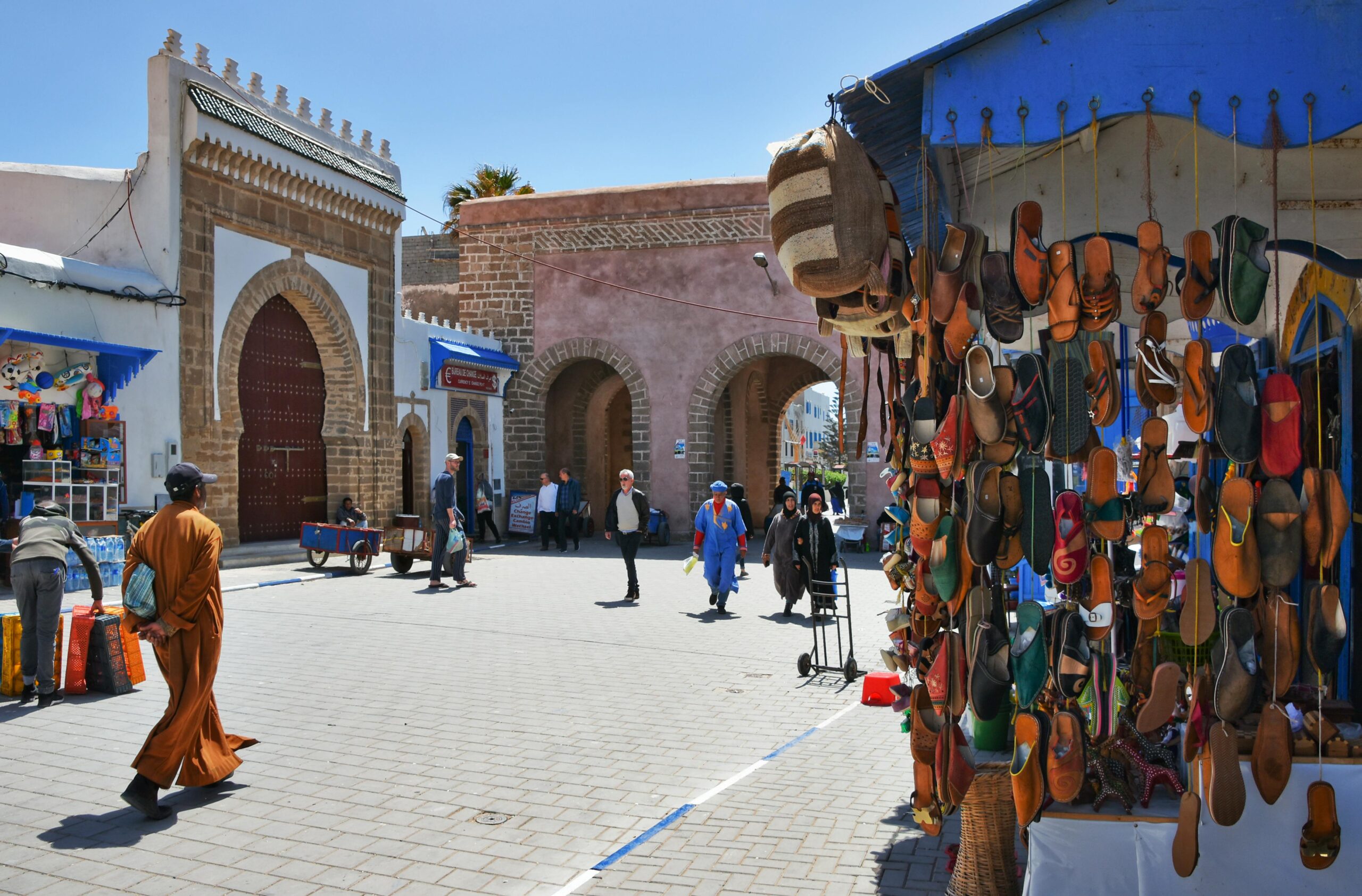
Essaouira combines beach scenery with historic charm. This UNESCO-listed coastal town is famous for its fortified medina, artistic culture, and consistent Atlantic winds.
The best time to visit Essaouira Beach depends on your activity. For windsurfing and kitesurfing, May through September offers strong and steady winds. For a calmer beach experience, September and October are ideal, as wind intensity decreases while temperatures remain pleasant. Swimming is possible in summer, though the ocean is typically refreshing rather than warm.
Essaouira is perfect for travelers who want a blend of beach relaxation, culture, and water sports.
Taghazout – Best for Surfing
Taghazout has become internationally recognized as Morocco’s surf capital. Located north of Agadir, this laid-back fishing village attracts surfers from Europe and beyond.
The best time to visit Taghazout is November through March, when Atlantic swells produce consistent waves suitable for beginners and advanced surfers alike. During summer, waves are smaller but conditions are still enjoyable for relaxed beach days and yoga retreats.
Taghazout is ideal for active travelers seeking surf camps, ocean views, and a bohemian coastal atmosphere.
Oualidia – Best for Calm Lagoon Swimming
Oualidia is known for its protected lagoon, offering calmer waters than most Atlantic beaches. This makes it particularly appealing for families and travelers who prefer gentle swimming conditions.
The best months to visit Oualidia are June through September, when temperatures are warm and lagoon waters are more comfortable. Unlike exposed Atlantic beaches, Oualidia’s natural setting provides shelter from strong waves, creating a safer swimming environment.
It is also known for seafood dining and peaceful coastal scenery.
Al Hoceima – Best Mediterranean Coves
Located in northern Morocco, Al Hoceima is famous for its turquoise waters, rocky cliffs, and hidden coves along the Mediterranean coast. Sea temperatures here are among the warmest in the country during summer.
The best time to visit is July through September for swimming and sunbathing. September is especially recommended for travelers seeking warm water without peak summer crowds. The calm sea conditions make it ideal for families and couples.
Saidia – Best for Classic Summer Beach Holidays
Saidia, often called Morocco’s “Blue Pearl,” is one of the longest sandy beaches in the country. Located on the Mediterranean coast near the Algerian border, it becomes especially lively in July and August.
The best time to visit Saidia Beach is from June to September when sea temperatures are warm and beach facilities are fully operational. August is the busiest month due to domestic tourism, so travelers seeking a quieter experience may prefer June or September.
Read More About: Day Trips from Marrakech to Sahara Desert
Morocco Beach Weather by Month (Quick Breakdown)
Understanding Morocco beach weather by month can help you choose the ideal travel window based on sea temperature, air temperature, and tourist activity.
January–February: Mild coastal air temperatures (around 17–20°C). Atlantic surf season is strong, but sea temperatures are cool for swimming. Ideal for surfers and peaceful seaside stays.
March–April: Spring begins, with warming daytime temperatures and fewer tourists. Beaches are pleasant for walking and relaxation, though swimming conditions improve more toward late April.
May: A transitional month offering comfortable beach weather and moderate sea temperatures. Good balance between affordability and sunshine.
June: Start of summer beach season. Warmer air temperatures and improving water conditions, especially along the Mediterranean coast.
July–August: Peak Morocco beach season. Hottest air temperatures, warmest sea conditions (particularly Mediterranean), and busiest beaches.
September: Often considered the best month overall. Warm water, comfortable temperatures, and fewer crowds.
October: Mild and sunny with gradually cooling sea temperatures. Excellent for relaxed beach holidays and photography.
November–December: Cooler water returns, but daytime temperatures remain pleasant compared to Europe. Best suited for surfing and quiet coastal escapes rather than swimming.

Is Morocco Good for a Beach Holiday?
Yes, Morocco is an excellent beach destination, especially for travelers looking for diversity rather than a typical tropical resort experience. With coastlines along both the Atlantic Ocean and the Mediterranean Sea, Morocco offers everything from surf beaches and wind sports hubs to calm, family-friendly coves and long sandy stretches ideal for sunbathing.
Unlike tropical destinations with consistently warm water year-round, Morocco’s beach experience is more seasonal. The Mediterranean coast offers warmer sea temperatures in summer and early autumn, making it ideal for swimming holidays. Meanwhile, the Atlantic coast provides moderate temperatures, scenic landscapes, and some of the best surf conditions in North Africa.
Morocco is particularly well-suited for:
- Travelers who want to combine beach time with culture and history
- Surf enthusiasts looking for consistent waves
- Couples seeking scenic coastal escapes
- Families visiting during summer months
It may not be the best choice for travelers expecting tropical water temperatures in winter, but for those seeking a mix of sunshine, coastal charm, and authentic Moroccan atmosphere, it is a rewarding beach destination.
FAQs About the Best Time to Visit Morocco for Beaches
When is the water warmest in Morocco?
Sea temperatures are warmest between July and September, especially along the Mediterranean coast. During this period, water temperatures can reach 24–25°C in northern beach towns, making it the most comfortable time for swimming.
Are Moroccan beaches crowded in summer?
Yes, July and August are peak beach months, particularly in Mediterranean destinations and major resort areas. Domestic tourism increases significantly during school holidays. For fewer crowds with similar weather conditions, September is often a better option.
Which coast is better for swimming in Morocco?
The Mediterranean coast generally offers warmer and calmer waters, making it better for swimming and family beach holidays. The Atlantic coast is excellent for surfing and scenic beaches but tends to have cooler water and stronger waves.
What is the cheapest time to visit Morocco for beaches?
Spring (April–May) and autumn (October) often provide the best balance between pleasant beach weather and lower accommodation prices. These shoulder seasons offer good value while avoiding peak summer crowds.
Is Morocco good for surfing holidays?
Yes. Morocco is internationally known for its surf culture, particularly around Taghazout and Essaouira. The best surfing conditions occur from November to March when Atlantic swells are strongest and most consistent.

Comments