
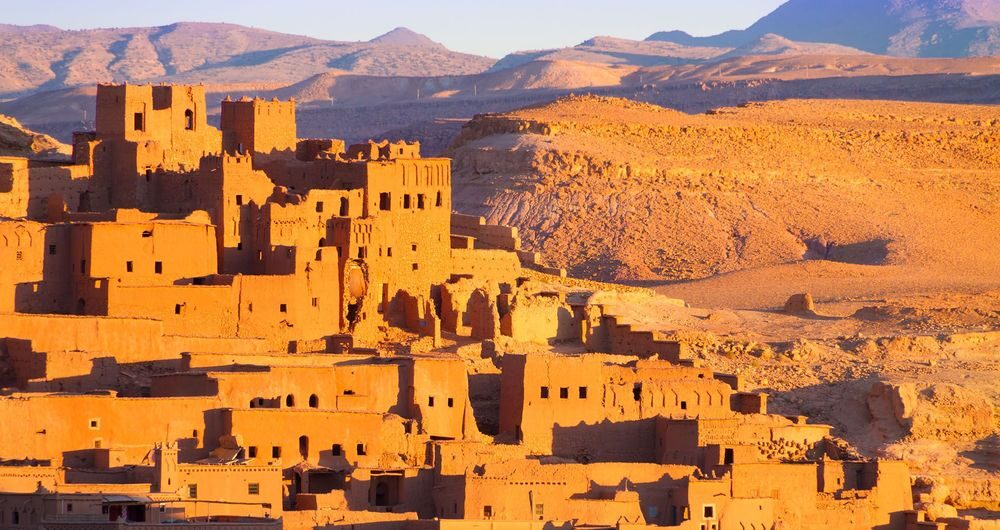
Morocco is a country where culture, religion, and history come together to create a vibrant calendar of celebrations throughout the year. From colorful street festivals to meaningful religious observances, the Public Holidays and Holidays in Morocco 2027 offer travelers a unique chance to experience authentic Moroccan traditions.
If you’re planning a trip to Morocco in 2027, understanding the local holiday calendar can make a big difference in your travel experience. Some holidays bring lively celebrations, music, and food in the streets, while others are quieter, family-centered occasions where businesses and markets may close for the day.
Moroccan holidays are generally divided into religious Islamic holidays and national holidays that celebrate important historical events. Religious celebrations such as Eid are based on the Islamic lunar calendar, meaning their dates change slightly every year. National holidays, on the other hand, are fixed on the Gregorian calendar.
For travelers, these holidays can either be an incredible cultural opportunity or something you need to plan around carefully. Hotels may fill up quickly, transportation schedules can change, and popular cities like Marrakech or Fes may become more crowded during major celebrations.
In this guide, you’ll discover the complete list of public holidays in Morocco for 2027 , what each holiday means, and how it might affect your travel plans. Whether you’re visiting Morocco for cultural exploration, photography, or food experiences, knowing the holiday calendar will help you get the most out of your trip.
Morocco Public Holidays 2027
Morocco celebrates a variety of public holidays each year that reflect both its Islamic heritage and modern national history. In 2027, travelers can expect a mix of religious observances and patriotic celebrations spread across the calendar.
Some holidays are deeply spiritual and family-focused, while others are marked with parades, cultural events, and official ceremonies. For visitors, these celebrations can provide a fascinating glimpse into Moroccan culture.
Here is a quick overview of the public holidays and holidays in Morocco in 2027.
Key Highlights
- Morocco observes around 13–15 public holidays each year
- Holidays include both Islamic religious celebrations and national commemorations
- Major religious holidays like Eid al-Fitr and Eid al-Adha follow the Islamic lunar calendar
- National holidays such as Throne Day and Independence Day celebrate key historical moments
- Holiday periods can be one of the best times for cultural travel experiences in Morocco
Best Travel Seasons Around Holidays
- Spring (March–May): Pleasant weather and several cultural events
- Summer (June–August): Large national celebrations and festivals
- Autumn (September–October): Comfortable travel weather with fewer crowds
- Winter (December–January): Ideal for exploring cities and deserts during holiday periods
Understanding this overview will help you plan your itinerary better, especially if you want to experience Moroccan traditions while avoiding potential travel disruptions.
Complete List of Public Holidays in Morocco 2027
If you’re planning a trip, it helps to know the exact public holidays in Morocco for 2027 so you can schedule your activities accordingly. Morocco observes both national holidays and religious holidays based on the Islamic lunar calendar, which means some dates may be slightly adjusted depending on moon sightings.
Below is a general overview of the expected Morocco public holiday calendar for 2027.
|
Date |
Holiday Name |
Type |
Description |
|
January 1 |
New Year’s Day |
National |
Marks the beginning of the Gregorian calendar year. |
|
January 14 |
Amazigh New Year (Yennayer) |
Cultural / National |
Celebration of the Amazigh (Berber) New Year and heritage. |
|
March 20 |
Eid al-Fitr |
Religious |
Marks the end of Ramadan with family gatherings and feasts. |
|
March 21 |
Eid al-Fitr Holiday |
Religious |
Second day of Eid celebrations across Morocco. |
|
May 1 |
Labour Day |
National |
Honors workers and labor movements. |
|
May 27 |
Eid al-Adha |
Religious |
The Festival of Sacrifice commemorating Prophet Ibrahim. |
|
May 28 |
Eid al-Adha Holiday |
Religious |
Extended family celebrations and gatherings. |
|
June 16 |
Islamic New Year |
Religious |
Beginning of the Islamic lunar calendar year. |
|
July 30 |
Throne Day |
National |
Celebrates the accession of the Moroccan King. |
|
August 14 |
Oued Ed-Dahab Day |
National |
Commemorates Morocco’s territorial unity. |
|
August 20 |
Revolution of the King and the People |
National |
Honors the resistance movement during colonial times. |
|
August 21 |
Youth Day |
National |
Celebrates Moroccan youth and the King’s birthday. |
|
September 27 |
Mawlid (Prophet Muhammad’s Birthday) |
Religious |
Religious observances honoring the birth of the Prophet. |
|
November 6 |
Green March Day |
National |
Commemorates the historic Green March of 1975. |
|
November 18 |
Independence Day |
National |
Marks Morocco’s independence from French rule in 1956. |
Keep in mind that Islamic holidays may shift by one day depending on the official moon sighting in Morocco.
For travelers, the most impactful holidays tend to be Eid al-Fitr and Eid al-Adha, when many businesses close and families gather to celebrate.
Read More: 5 Day Tour from Marrakech to Tangier via Sahara Desert
Types of Holidays in Morocco
Morocco’s holiday calendar reflects the country’s rich mix of religious traditions, cultural heritage, and national pride. Most public holidays fall into two main categories: religious Islamic holidays and national holidays that commemorate historical events.
Understanding the difference between these types of holidays can help travelers know what to expect when visiting Morocco during certain times of the year.
Some holidays are quiet and family-oriented, while others are marked by public celebrations, ceremonies, and festivals throughout the country.
Religious Holidays in Morocco
Religious holidays play a major role in Moroccan life because Islam is the primary religion in the country. These holidays follow the Islamic lunar calendar, which is about 10–11 days shorter than the Gregorian calendar used internationally.
Because of this, Islamic holiday dates shift earlier every year. This means that a holiday that occurs in spring one year may fall in winter a few years later.
During these holidays, many Moroccans focus on family gatherings, prayers, charitable acts, and traditional meals. Visitors may notice that shops close earlier, restaurants operate on limited hours, and transportation schedules sometimes change.
Major Islamic Celebrations
Eid al-Fitr
Eid al-Fitr marks the end of the holy month of Ramadan. After a month of fasting from dawn to sunset, families celebrate with large meals, sweets, new clothes, and visits to relatives.
Eid al-Adha
Often called the Festival of Sacrifice, Eid al-Adha commemorates Prophet Ibrahim’s devotion and willingness to sacrifice. Families traditionally share meals and distribute meat to relatives and those in need.
Islamic New Year
Also known as Hijri New Year, this holiday marks the beginning of a new year in the Islamic calendar. It is typically observed quietly with prayers and reflection.
Mawlid
Mawlid celebrates the birthday of Prophet Muhammad. In Morocco, it is observed with religious gatherings, Quran recitations, and traditional sweets prepared in many homes.
 National Holidays in Morocco
 National Holidays in Morocco
While religious celebrations play a huge role in Moroccan culture, the country also observes several national holidays that reflect its history, independence, and national pride. These holidays often commemorate key political events, important moments in the monarchy, or milestones in Morocco’s journey as a nation.
Unlike Islamic holidays, national holidays in Morocco follow fixed dates on the Gregorian calendar, meaning they occur on the same day every year. This makes them easier for travelers to plan around.
Many of these holidays are marked with official ceremonies, parades, public speeches, and patriotic celebrations across major cities. Government buildings, schools, and banks typically close for the day, but tourist attractions, restaurants, and hotels often remain open.
For travelers, national holidays can be an excellent opportunity to witness Morocco’s strong sense of national identity. Cities may host cultural performances, music events, fireworks, and public gatherings that create a lively atmosphere.
Important National Celebrations
Throne Day
Throne Day is one of the most important national holidays in Morocco. It celebrates the anniversary of the current king’s accession to the throne and is observed with official ceremonies, public celebrations, and speeches across the country.
Independence Day
Celebrated on November 18, Independence Day commemorates Morocco’s independence from French colonial rule in 1956. It’s a proud moment in Moroccan history and is often marked with patriotic displays and national events.
Green March Day
This holiday honors the historic Green March of 1975, when thousands of Moroccans marched peacefully to assert Morocco’s claim over the Western Sahara. It remains an important symbol of unity and national pride.
Revolution of the King and the People
Observed on August 20, this holiday commemorates the resistance movement against colonial rule and highlights the strong bond between the Moroccan monarchy and the people during the struggle for independence.
Read More: 3 Day Desert Tour from Fes to Merzouga (Complete 2027 Guide)
Major Moroccan Holidays Explained
While Morocco has many public holidays throughout the year, a few celebrations stand out because of their cultural importance, nationwide participation, and impact on daily life.
These major holidays often bring families together, fill cities with festive energy, and create unforgettable experiences for travelers visiting the country.
Understanding these celebrations can help visitors appreciate Morocco’s traditions while planning their trips more effectively.
Eid al-Fitr
Eid al-Fitr is one of the most important religious holidays in Morocco. It marks the end of Ramadan, the Islamic holy month of fasting.
The day begins with special morning prayers at mosques, followed by family visits and large festive meals. Traditional Moroccan sweets, pastries, and tea are often shared with guests throughout the day.
For travelers, Eid al-Fitr can be both fascinating and challenging. Many shops and restaurants may close for the day as families focus on celebrating together. However, the cultural atmosphere and sense of community make it a memorable time to be in Morocco.
Eid al-Adha
Eid al-Adha, also known as the Festival of Sacrifice, is another major religious holiday widely celebrated across Morocco.
The holiday commemorates Prophet Ibrahim’s willingness to sacrifice his son as an act of faith. Families traditionally sacrifice a sheep or goat, and the meat is shared among relatives, neighbors, and those in need.
Because this holiday is strongly centered around family traditions, many businesses close temporarily. Travelers may notice quieter streets but also experience the deep cultural significance of the celebration.
Throne Day
Throne Day is one of Morocco’s biggest national celebrations. It honors the anniversary of the king’s rise to the throne and symbolizes the unity between the monarchy and the Moroccan people.
Cities across Morocco often host public ceremonies, cultural performances, fireworks, and patriotic displays. Government institutions participate in official celebrations, making it an important event in the national calendar.
Amazigh New Year (Yennayer)
Amazigh New Year, known as Yennayer, celebrates the cultural heritage of the Amazigh (Berber) people, the indigenous population of North Africa.
The holiday is particularly vibrant in regions with strong Amazigh traditions. Families prepare traditional dishes, communities hold gatherings, and cultural events highlight Amazigh music, clothing, and customs.
For travelers interested in Morocco’s diverse heritage, Yennayer offers a wonderful opportunity to experience local traditions that go back thousands of years.
Best Cities in Morocco to Experience Holiday Celebrations
If you want to experience the true spirit of public holidays and holidays in Morocco, choosing the right city can make a big difference. Each destination in Morocco celebrates holidays in its own unique way, shaped by local traditions, culture, and atmosphere.
Some cities offer lively street celebrations and cultural performances, while others provide a more peaceful and traditional holiday experience.
Here are a few of the best cities in Morocco where travelers can enjoy holiday celebrations.
Marrakech
Marrakech is one of the most exciting places to experience Moroccan culture during holidays. The city becomes especially lively during major celebrations, with locals gathering in public spaces to enjoy the festive atmosphere.
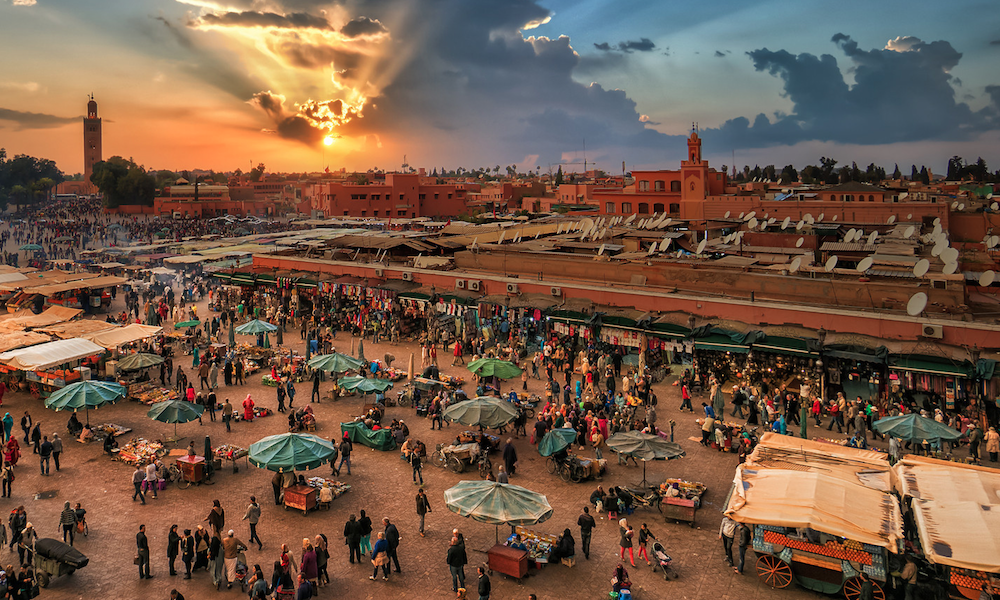
The famous Jemaa el-Fnaa square often becomes a center of activity. Visitors may see street performers, musicians, storytellers, and food vendors creating a vibrant cultural scene. During national holidays, the city may also host events and public celebrations.
For travelers, Marrakech offers a mix of traditional culture, nightlife, and local festivities, making it one of the best destinations during Moroccan holidays.
Rabat
As the capital of Morocco, Rabat is the center of many official national celebrations. Government ceremonies, military events, and public gatherings often take place here during important holidays.
Travelers visiting Rabat during national holidays may see official parades, cultural performances, and patriotic celebrations across the city. Because it is the political capital, Rabat often hosts some of the most formal holiday events in the country.
The city also offers beautiful historic sites, coastal views, and a relaxed atmosphere compared to busier tourist destinations.
Fes
Fes is known for its deep religious traditions and historic atmosphere, which makes it a special place to experience Islamic holidays.
During celebrations such as Eid or Mawlid, the city’s historic medina feels especially spiritual. Families gather for meals, mosques host prayers, and traditional customs are practiced throughout the community.
For travelers interested in Morocco’s religious and cultural heritage, Fes offers one of the most authentic holiday experiences in the country.
Chefchaouen
If you prefer a quieter holiday experience, Chefchaouen is an excellent choice. Known for its famous blue streets and relaxed mountain setting, the city provides a peaceful environment during Moroccan holidays.
Rather than large public celebrations, visitors here can enjoy slow travel, scenic views, and local traditions in a calm setting.
Chefchaouen is especially appealing for photographers and travelers who want to experience Moroccan culture without large crowds.
Traveling to Morocco During Public Holidays
Traveling during Morocco’s public holidays can be both exciting and a bit challenging. While these celebrations provide a great opportunity to experience authentic Moroccan culture, they can also affect transportation, business hours, and tourist services.
Knowing what to expect can help you plan a smoother and more enjoyable trip.
Advantages
Cultural experiences
One of the biggest advantages of traveling during Moroccan holidays is the chance to experience local traditions firsthand. Festivals, family gatherings, and cultural events can give visitors a deeper understanding of Moroccan life.
Festivals and celebrations
Many holidays bring music, decorations, traditional foods, and public events. National holidays may include parades, fireworks, and performances that visitors would not see during regular travel periods.
Unique local traditions
Religious holidays like Eid offer a glimpse into Morocco’s spiritual culture. Visitors may see families wearing traditional clothing, preparing festive meals, and sharing hospitality with friends and neighbors.
Disadvantages
Business closures
During major religious holidays, many shops, restaurants, and small businesses close for the day so families can celebrate together.
Transportation delays
Public transportation and travel services may operate on limited schedules. Long-distance buses and trains can also become crowded during holiday periods.
Hotel demand
Popular destinations such as Marrakech, Fes, and Casablanca may experience higher demand for hotels during major holidays. Booking accommodations in advance is highly recommended.
Travel Tips for Morocco Holidays
Traveling to Morocco during public holidays can be a once-in-a-lifetime experience if you plan carefully. Small adjustments in your itinerary can make a huge difference in how much you enjoy the celebrations. Here are some practical tips to keep your trip smooth and memorable.
- Book accommodations early – Major cities like Marrakech, Fes, and Rabat can fill up quickly during Eid or national holidays. Reserve your hotels well in advance.
- Check restaurant hours – During religious holidays, many restaurants may open late or close entirely. Look for local spots that stay open for tourists.
- Plan transportation – Train, bus, and taxi services can be limited or crowded during holiday periods. Consider booking tickets ahead of time.
- Respect local customs – Dress modestly during religious holidays, be mindful of prayer times, and ask before photographing religious ceremonies.
- Join cultural experiences – Look for public celebrations, markets, or festivals. They’re a great way to connect with local traditions and meet Moroccan people.
These tips help travelers enjoy Morocco’s rich holiday culture while avoiding common frustrations like closed shops, crowded transport, or missing key events.
Common Mistakes Tourists Make During Moroccan Holidays
Even seasoned travelers can run into challenges if they aren’t prepared for Morocco’s unique holiday calendar. Here are some common mistakes to avoid:
- Ignoring the Islamic calendar – Many holidays, like Eid al-Fitr and Eid al-Adha, shift each year. Not checking the lunar calendar can lead to surprises.
- Booking last minute – Hotels and flights fill up fast during popular holiday periods. Last-minute planning often leads to higher prices or unavailable options.
- Not planning tours early – Popular sites may limit tourist groups during holidays. Booking guided tours ahead ensures you won’t miss out.
- Expecting normal business hours – Many shops, offices, and banks may be closed or have shorter hours during holidays. Always plan accordingly.
- Missing local celebrations – Staying in your hotel or resort all day can make you miss the vibrant street festivities, parades, and cultural events.
Avoiding these mistakes ensures you experience Morocco’s holidays in the most enjoyable and stress-free way possible.
Morocco Holidays Comparison
Not all Moroccan holidays are celebrated the same way, and understanding the difference between religious and national holidays can help you plan your trip better. Here’s a simple comparison:
|
Holiday Type |
Date Type |
Celebration Style |
Business Closures |
Travel Impact |
|
Religious |
Follows Islamic lunar calendar |
Family-focused, prayers, feasts |
Many shops and offices closed |
Moderate to high; public transport may be limited |
|
National |
Fixed Gregorian calendar |
Public ceremonies, parades, patriotic events |
Government offices closed; tourist spots open |
Low to moderate; cities busier during parades and festivals |
Key takeaway: Religious holidays like Eid al-Fitr and Eid al-Adha are more family-centered, so businesses close and streets can be quieter in some areas. National holidays, such as Throne Day or Independence Day, are highly public, with parades, ceremonies, and celebrations, making them exciting for travelers.
By understanding these differences, you can choose which holidays to experience based on your interests whether you want quiet cultural immersion or lively street festivities.
Best Time to Visit Morocco Around Holidays
Choosing the right time to travel can make your Morocco trip unforgettable. While holidays add cultural richness, the season and weather also play a big role. Here’s a breakdown by season:
- Winter (December–February): Cooler weather is ideal for exploring cities like Fes and Marrakech. Holidays like New Year’s and Amazigh New Year (Yennayer) offer unique cultural experiences.
- Spring (March–May): Perfect for mild temperatures, blooming landscapes, and festivals. Eid al-Fitr often falls in spring, giving travelers a chance to enjoy vibrant celebrations.
- Summer (June–August): Hot in inland cities, but great for coastal travel. National holidays like Throne Day bring public festivities, though crowded tourist spots require planning.
- Autumn (September–November): Comfortable temperatures and fewer crowds. Eid al-Adha often falls in autumn, allowing visitors to witness important religious traditions.
Pro tip: Check the Islamic lunar calendar before booking your trip, as some of the most exciting holidays like Eid al-Fitr and Eid al-Adha shift each year. Planning around both season and holiday schedule ensures you get the best cultural and travel experience in Morocco.
Expert Travel Tips for Experiencing Moroccan Holidays
To truly enjoy Morocco’s public holidays and holidays in 2027, a little insider knowledge goes a long way. From where to go to what to eat, these expert tips can make your trip smoother and more memorable.
- Where to go: Cities like Marrakech, Fes, Rabat, and Chefchaouen each offer a unique holiday experience. Marrakech is lively and bustling, Fes is spiritual and traditional, Rabat hosts official celebrations, and Chefchaouen provides a more relaxed vibe.
- Cultural etiquette: Dress modestly during religious holidays, respect prayer times, and ask permission before photographing ceremonies or locals. Observing these customs helps you connect with Moroccans respectfully.
- Best photography spots: Street festivals, mosque decorations, colorful markets, and traditional Amazigh celebrations are perfect for capturing Morocco’s holiday spirit. Early mornings or late afternoons often give the best light.
- Food to try during holidays: Savor Moroccan specialties like seffa, tagine, chebakia, and traditional Eid sweets. Sharing meals is a central part of celebrations, so don’t miss the culinary experiences.
Following these tips ensures you immerse yourself fully in Moroccan traditions while avoiding common tourist pitfalls.
FAQs About Morocco Public Holidays 2027
Q: What are the public holidays in Morocco in 2027?
A: Morocco observes a mix of national and religious holidays, including Eid al-Fitr, Eid al-Adha, Throne Day, Independence Day, Amazigh New Year (Yennayer), and Green March Day. Some religious holidays follow the Islamic lunar calendar, so dates may shift slightly.
Q: How many holidays does Morocco have?
A: Morocco has around 13–15 public holidays per year, combining Islamic religious observances and national commemorations.
Q: Are shops closed during Moroccan holidays?
A: Many shops, offices, and banks close during religious holidays like Eid. National holidays may have official ceremonies, but tourist attractions and hotels usually remain open.
Q: What is the biggest holiday in Morocco?
A: Eid al-Fitr and Eid al-Adha are the largest religious holidays, celebrated nationwide with family gatherings, prayers, and festive meals. Throne Day is the most important national holiday for public celebrations.
Q: Is Morocco good to visit during Eid?
A: Yes, visiting during Eid offers unique cultural experiences, though travelers should plan for limited business hours and crowded cities in major tourist destinations.
Q: Do Morocco holidays change every year?
A: Religious holidays follow the Islamic lunar calendar, so they shift each year by about 10–11 days. National holidays on the Gregorian calendar remain fixed.
