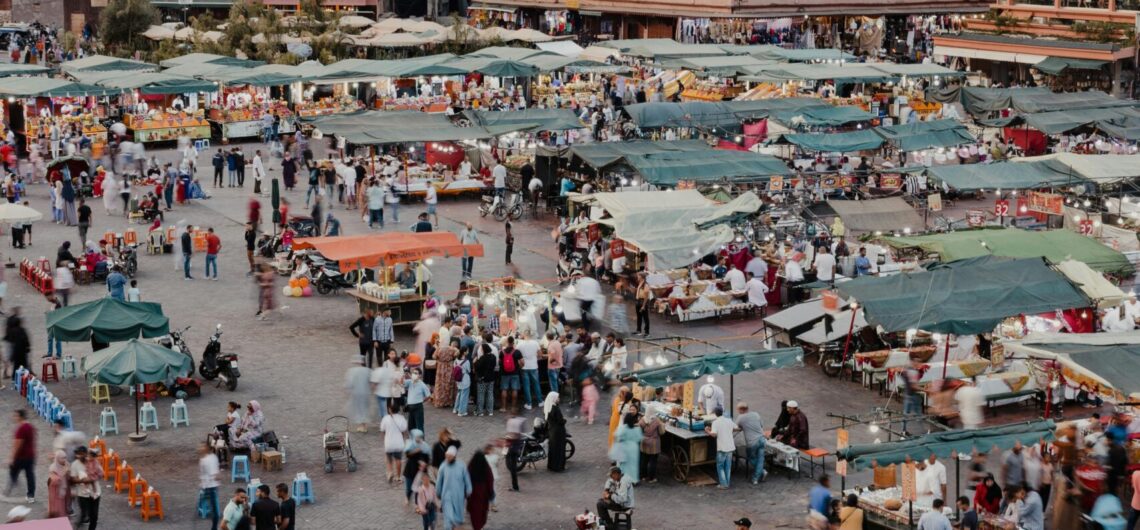
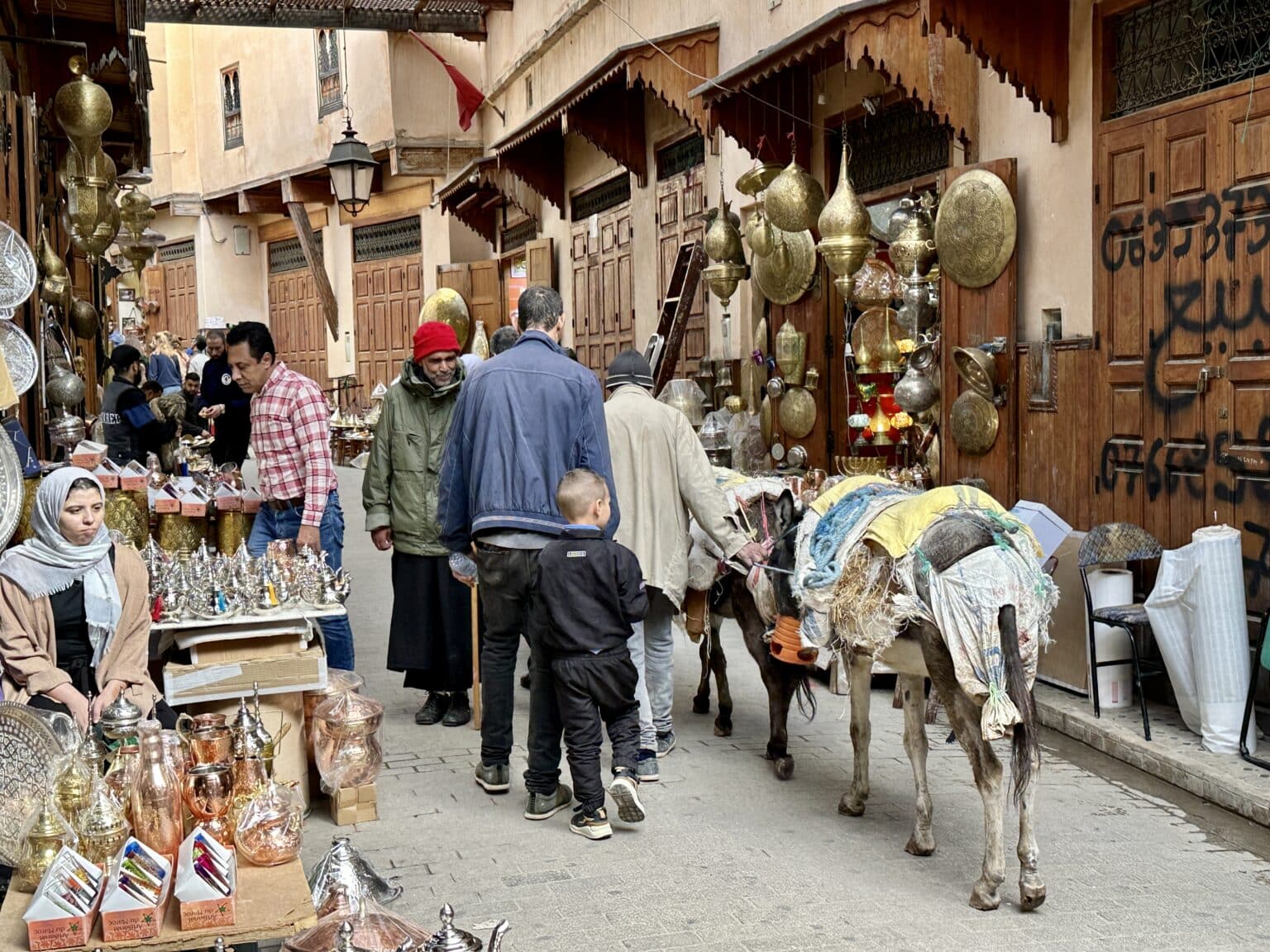
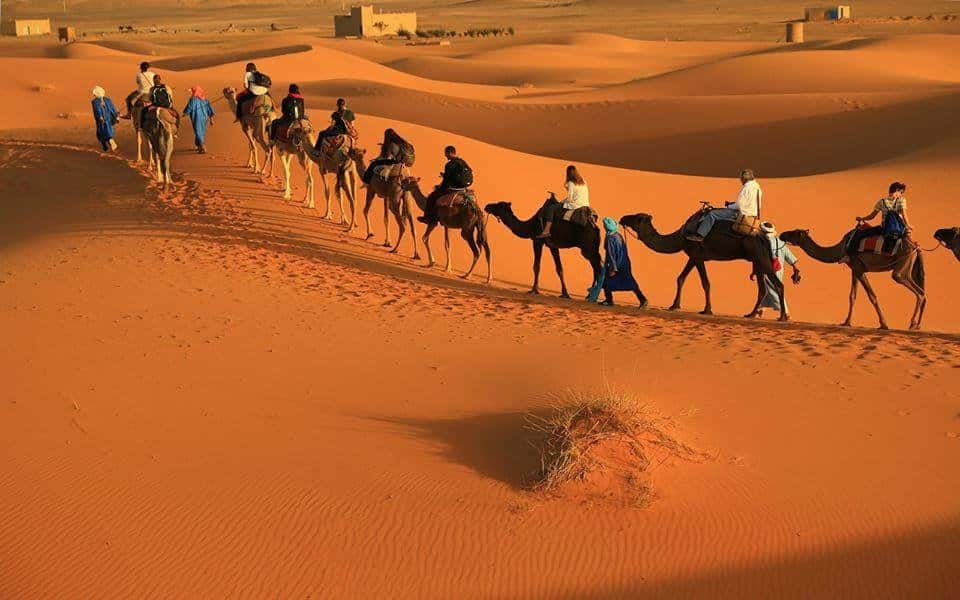
Morocco in 2026 is one of the most affordable and rewarding travel destinations, but your experience depends heavily on how you plan your budget. From the lively streets of Marrakech to the golden dunes of the Sahara Desert, costs can vary widely based on your travel style. In this ultimate Morocco budget guide, you’ll discover real prices for accommodation, food, transport, tours, and hidden expenses, so you can plan smarter, avoid overspending, and travel Morocco with confidence.
Is Morocco Expensive to Visit in 2026?
Planning a trip to Morocco in 2026? Whether you’re dreaming of wandering the blue streets of Chefchaouen, bargaining in the bustling souks of Marrakech, exploring the ancient medina of Fes, or camping under the stars in the Sahara Desert, understanding your travel costs is the key to an unforgettable and affordable adventure. The Ultimate 2026 Morocco Budget Guide helps you plan your trip, save money, and enjoy Morocco’s top experiences without overspending. Morocco is affordable for most travelers in 2026, especially when you compare it to Europe, North America, or the Gulf. You can travel comfortably on a modest daily budget, enjoy authentic stays in riads, eat fresh local food, and move between cities without spending a fortune. At the same time, Morocco also offers luxury experiences private desert camps, boutique riads, and guided tours so your total cost depends on your travel style.
If you are a budget or mid-range traveler, Morocco feels inexpensive. Accommodation, food, public transport, and many cultural experiences cost far less than in Western countries. If you prefer private tours, high-end riads, and premium desert experiences, your budget will naturally increase but you still get excellent value for money.
The total cost of a Morocco trip depends on five main things: accommodation, food, transportation, activities, and travel style. When you plan around these elements, it becomes easy to estimate your budget before you arrive.
Average Daily Budget in Morocco
Here is what most travelers spend per day:
Travel Style
Daily Budget (Per Person)
What You Get
Backpacker
$30–$45
Hostel/cheap riad, street food, buses, shared taxis
Budget Traveler
$50–$70
Riad stay, local restaurants, trains, a few activities
Mid-Range
$80–$120
Beautiful riad, guided tours, comfortable transport
Your total cost in Morocco depends more on how you travel than where you go. The country is flexible. You can explore it on a tight backpacker budget, enjoy a comfortable mid-range trip, or experience pure luxury without paying European prices. This flexibility is what makes Morocco one of the best value destinations in 2026.
If you prefer simple stays, public transport, and local food, you can travel very cheaply. Hostels, shared riads, buses, and street food keep your daily spending low while still giving you an authentic Moroccan experience. You can walk through ancient medinas, visit blue Chefchaouen, explore Fes, and even join a shared Sahara desert trip without stretching your wallet. Many budget travelers comfortably manage their trip for around $30–$45 per day.
top-10-morocco-tours-trips
If you like comfort and privacy but still want to keep your trip affordable, Morocco becomes even more rewarding. Private riad rooms, good restaurants, and train travel between cities remain reasonably priced. Guided tours, cultural experiences, and desert excursions also fit easily into this range. Most travelers find that $60–$100 per day allows them to enjoy Morocco without compromise. This is where you feel the true value of the country.
For travelers who want premium experiences, Morocco offers luxury that feels surprisingly affordable. Boutique riads, private drivers, high-end desert camps, and fine dining cost much less than similar experiences in Europe or the Gulf. You can enjoy a luxury Moroccan journey for $180+ per day, surrounded by traditional architecture, personalized service, and unforgettable landscapes.
In simple words, Morocco does not force you to spend more. You decide your level of comfort, and the country adjusts to your budget.
Accommodation will take the largest share of your Morocco travel budget, but it is also where you get the most cultural value for your money. Staying in a traditional riad is not just a place to sleep. It is part of the Moroccan experience. These restored homes with inner courtyards, tiles, and rooftop terraces give you comfort, beauty, and history in one place.
Budget travelers can find clean hostels and simple riads inside the medina for $10–$35 per night. These places often include breakfast and place you within walking distance of major attractions. You save on transport and enjoy the lively atmosphere of old cities like Marrakech and Fes.
Mid-range riads and hotels offer the best balance between price and comfort. For $40–$100 per night, you get private rooms, traditional décor, helpful hosts, and excellent locations. Many of these stays include breakfast and personalized guidance that helps you navigate the city like a local.
Luxury riads and boutique hotels provide an unforgettable stay for $150–$500 per night. You enjoy peaceful courtyards, pools, rooftop views, and exceptional service inside beautifully restored historic buildings. Even at this level, the value remains impressive compared to other luxury destinations.
Food and Drink Prices in Morocco
Food in Morocco is not only affordable, it is one of the highlights of your trip. You can eat fresh, flavorful meals every day without putting pressure on your budget. Whether you choose street food, small local cafés, or elegant rooftop restaurants, prices stay reasonable across the country.
If you eat like a local, you spend very little. A filling breakfast with bread, olives, eggs, and mint tea often costs $2–$4. Street food such as msemen (Moroccan pancake), harira soup, or sandwiches from small stalls cost just a few dollars and taste authentic. A traditional tagine or couscous in a local restaurant usually costs $5–$10.
Mid-range restaurants offer a more comfortable dining setting with beautifully served Moroccan dishes. Here, you can expect to pay $12–$20 for a full meal. Many rooftop restaurants in Marrakech and Fes provide great views along with delicious food at fair prices.
If you choose fine dining or tourist-focused restaurants, prices increase but still remain lower than in many Western countries. A high-end dinner may cost $25–$40 per person.
Mint tea, fresh orange juice, and Moroccan coffee are inexpensive and available everywhere. Bottled water is also cheap and widely available. Alcohol is available in certain restaurants and hotels, but it costs more due to limited availability and taxes.
Overall, food in Morocco allows you to enjoy rich flavors and cultural experiences without spending much.
Transportation Costs in Morocco
Transportation in Morocco is well-developed, reliable, and budget-friendly. You can travel between major cities comfortably without needing to hire a private driver unless you prefer extra convenience.
Trains connect cities like Casablanca, Rabat, Fes, and Marrakech. They are clean, punctual, and affordable. A train ticket between major cities usually costs $10–$25, depending on distance and class. First-class tickets are still affordable and offer more comfort.
Buses cover routes where trains do not operate, including Chefchaouen and desert regions. Companies like CTM and Supratours provide comfortable, air-conditioned buses for $8–$20 depending on the journey.
Inside cities, petit taxis are cheap and widely available. Short rides often cost $1–$3. In larger cities, you can also use ride apps for convenience. Walking inside the medina is often the best option and costs nothing.
For desert trips or remote areas like Merzouga, you may need a tour, shared transport, or private driver. Shared desert tours usually start from $80–$120, including transport, camp stay, and meals, which offers excellent value.
Morocco is packed with experiences that cater to every budget, from free cultural exploration to paid desert adventures. Planning your tours wisely ensures you get the most value without overspending.
Many of Morocco’s highlights are affordable or even free. You can wander through vibrant medinas, visit historic mosques (many allow non-Muslim visitors outside prayer times), stroll along the coastal towns, or explore scenic mountain trails at no cost. Even guided walking tours in cities often cost $10–$20 and provide local insights you won’t find on your own.
For unique experiences like a Sahara desert overnight stay, hot air balloon rides, or camel trekking, prices vary. A shared desert camp experience often costs $80–$120 per person, including transport, meals, and accommodation. Private tours or luxury desert camps cost more but offer privacy and premium comfort.
Cooking classes, Moroccan craft workshops, and guided city tours are additional options for travelers wanting deeper cultural experiences. Prices for these usually range between $20–$50, depending on the activity and location.
By combining free and paid experiences, you can create a balanced Morocco itinerary that is both enriching and budget-friendly. The key is planning ahead and mixing local experiences with must-see attractions.
Sample Morocco Travel Budgets
Planning a Morocco trip becomes easier when you see realistic budget examples. Here’s a breakdown based on travel style for 2026:
Backpacker Budget ($30–$45 per day):
Accommodation: Shared riads or hostels
Meals: Street food and local cafés
Transport: Public buses, shared taxis
Activities: Free medina walks, low-cost museums
Mid-Range Budget ($60–$100 per day):
Accommodation: Private riads with breakfast
Meals: Local restaurants
Transport: Trains, intercity buses
Activities: Group tours, guided experiences
Luxury Budget ($180+ per day):
Accommodation: Boutique riads, luxury hotels
Meals: Fine dining and rooftop restaurants
Transport: Private drivers or taxis
Activities: Premium desert camps, private guides, and specialized tours
These sample budgets help you estimate your total cost and tailor your trip according to your preferences, ensuring you get the best value for your money in Morocco.
Accommodation is the largest expense for most travelers in Morocco, but it is also where you get the most cultural and authentic experiences. Morocco is famous for its riads traditional Moroccan houses with inner courtyards, tiled floors, and rooftop terraces which give you a true sense of local life while providing comfort and charm.
For budget travelers, hostels and simple riads inside the medina are ideal. Prices range from $10–$35 per night, often including breakfast. These stays put you right in the heart of cities like Marrakech, Fes, and Chefchaouen, so you can walk to local attractions, souks, and cafés, saving on transportation costs.
Mid-range travelers will find private riads or small hotels for $40–$100 per night. These accommodations often feature private rooms, traditional décor, and helpful staff who can guide you through the city. This range balances comfort, authenticity, and value.
For those seeking luxury experiences, Morocco offers boutique hotels and high-end riads from $150–$500 per night. Many have pools, rooftop terraces, and personalized services while preserving traditional Moroccan architecture. Even at this level, Morocco’s luxury accommodations are often more affordable than similar options in Europe or the Middle East.
No matter your budget, accommodation in Morocco is not just a place to sleep it is a chance to immerse yourself in Moroccan culture, enjoy stunning architecture, and rest in style after a day of exploring.
Food and Drink Prices in Morocco
Food in Morocco is affordable, diverse, and a highlight of the travel experience. You can enjoy fresh, flavorful Moroccan dishes without straining your budget, making dining one of the most enjoyable parts of your trip.
For budget travelers, street food and local cafés are perfect. Traditional Moroccan breakfasts with bread, olives, eggs, and mint tea cost around $2–$4. Popular street foods like msemen (Moroccan pancakes), sardine sandwiches, or harira soup cost just a few dollars. A simple lunch or dinner in a local eatery usually ranges from $5–$10, giving you authentic tastes at low prices.
Mid-range dining, such as restaurants with local seating or rooftop views, costs $12–$20 per person for a complete Moroccan meal. These settings offer a comfortable environment and authentic flavors without being expensive.
For travelers who prefer fine dining or tourist-oriented restaurants, meals may cost $25–$40 per person, often including multiple courses and a premium atmosphere. Drinks like mint tea, fresh juice, or Moroccan coffee are cheap and available everywhere. Alcohol is limited and more expensive but accessible in some hotels and restaurants.
Eating in Morocco allows travelers of all budgets to experience the rich flavors, spices, and culinary traditions that make Moroccan cuisine unforgettable. Proper planning lets you enjoy a variety of meals every day without exceeding your budget.
Transportation in Morocco
Getting around Morocco is easier and more affordable than many travelers expect. Whether you’re hopping between cities, exploring mountain towns, or venturing into the desert, transportation options are flexible, reliable, and budget-friendly.
Intercity Travel: Morocco has an extensive train network connecting major cities such as Casablanca, Marrakech, Rabat, and Fes. Trains are punctual, comfortable, and safe, with tickets ranging from $10–$25 depending on distance and class. First-class tickets provide extra comfort while still being very affordable.
Bus Services: For destinations not served by trains, companies like CTM and Supratours offer modern, air-conditioned buses at prices starting around $8–$20 per trip. They are a great way to reach cities like Chefchaouen or remote mountain villages.
City Transport: Within cities, petit taxis are cheap and widely available, usually costing $1–$3 for short rides. Larger taxis and ride-hailing apps offer convenience at slightly higher costs. Walking is also an excellent option in medinas, letting you soak in the sights and sounds of Moroccan life.
Desert and Remote Areas: Traveling to places like the Sahara Desert or remote mountain regions may require a private driver or tour. Shared desert tours often start from $80–$120, including transport, meals, and accommodation, offering excellent value for an unforgettable experience.
Overall, Morocco’s transportation system allows you to explore the country comfortably at any budget, combining public transport, taxis, and occasional guided tours for flexibility and convenience.
Choosing the right time to visit Morocco can greatly impact your experience and travel budget. The country has a diverse climate, from coastal cities to desert regions and mountain ranges.
Spring (March to May): One of the best times to travel, with pleasant temperatures, blooming landscapes, and fewer crowds than peak summer. Perfect for exploring medinas, hiking in the Atlas Mountains, or enjoying the desert without extreme heat.
Autumn (September to November): Another ideal period, with warm but manageable temperatures and a calmer tourist scene. It’s excellent for city tours, coastal trips, and cultural festivals.
Summer (June to August): Can be very hot, especially in inland cities and the desert. Coastal cities like Casablanca and Essaouira are cooler, but central Morocco and Marrakech can reach 40°C (104°F). If traveling during summer, plan early morning or late evening activities and stay hydrated.
Winter (December to February): Winters are mild along the coast but cold in the mountains and desert nights. This is a good option for budget travelers as prices are lower, and popular tourist areas are quieter.
For a balanced experience of comfortable weather and cost-effectiveness, spring and autumn are the best months. However, each season has its charm, allowing you to tailor your trip to your preferences and budget.
Cultural Etiquette for Travelers: The Ultimate 2026 Morocco Budget Guide
Understanding Moroccan culture and etiquette is key to having a smooth and respectful trip. Moroccans are known for their hospitality, friendliness, and strong cultural traditions, so being aware of local norms will help you connect better and avoid misunderstandings.
Greetings: A handshake is common among men, while women usually greet other women with a handshake or light cheek kiss. When in doubt, follow the lead of your Moroccan hosts.
Dress Code: Morocco is a predominantly Muslim country, so modest clothing is appreciated, especially in rural areas and religious sites. For women, covering shoulders and knees is recommended. Men should avoid wearing sleeveless tops in traditional areas.
Photography: Always ask before taking photos of people, especially in rural villages or of women. Some markets and cultural sites may have restrictions.
Behavior in Public: Public displays of affection are frowned upon outside tourist areas. It’s polite to use your right hand for eating or giving items, as the left hand is considered unclean in traditional contexts.
Tipping: Tipping is customary in Morocco, especially in restaurants, cafés, and for guides or drivers. A tip of 5–10% is standard, but you can give more for exceptional service.
By respecting these cultural norms, you show appreciation for Moroccan traditions, enhancing your travel experience and fostering positive interactions with locals.
Final Thoughts on Morocco Travel 2026
Morocco is a destination that blends history, culture, adventure, and affordability. From the vibrant souks of Marrakech to the peaceful blue streets of Chefchaouen, the deserts of Merzouga, and the stunning Atlas Mountains, there is something for every traveler.
Planning your budget wisely, understanding local customs, and choosing the right season will ensure your 2026 Morocco trip is enjoyable, safe, and memorable. By balancing affordable accommodations, local food, and well-planned activities, you can experience Morocco fully without overspending.
Whether you’re a solo traveler, a couple, or a family, Morocco offers rich experiences that leave a lasting impression. Remember to explore beyond the tourist paths, connect with locals, and savor the unique Moroccan culture in every city, village, and desert you visit.
With careful preparation and an open mind, your Morocco 2026 adventure can be both exciting and affordable, leaving you with unforgettable memories.
Frequently Asked Questions About Morocco Travel 2026
Is Morocco safe for travelers in 2026?
Yes! Morocco is generally safe for tourists. Major cities and tourist areas are well-patrolled, and locals are friendly and welcoming. Use common sense, avoid poorly lit areas at night, and respect cultural norms to ensure a smooth experience.
How much should I budget per day in Morocco?
For budget travelers, $30–$45 per day is sufficient. Mid-range travelers can expect to spend $60–$100 per day, and luxury travelers may spend $180+ per day for upscale accommodations and private tours.
What is the best time to visit Morocco?
Spring (March–May) and autumn (September–November) are ideal. These months have pleasant weather, fewer crowds, and better prices. Summer can be extremely hot in inland areas, while winter is mild along the coast but cold in mountains and deserts.
Shared Sahara desert tours start around $80–$120, which typically includes transport, meals, and camping. Private or luxury tours can cost more depending on services, route, and duration.
What will the economy of Morocco be like in 2026?
Morocco’s economy is expected to remain stable with growth in tourism, agriculture, and renewable energy sectors. Visitors can expect reasonable prices for accommodations, food, and transport while still enjoying excellent value.
Is Morocco cheap in 2025?
Yes, Morocco is considered an affordable destination compared to Europe or the Middle East. Travelers can enjoy local meals, budget accommodations, and activities at low costs, making it great for all types of travelers.
What was the budget of Morocco in 2025?
For budget travelers, daily expenses averaged around $25–$40 per day in 2025. Mid-range travelers spent $50–$90 per day, and luxury experiences started around $150+ per day. Prices in 2026 are slightly higher due to inflation but still affordable.
How much should I budget for a trip to Morocco?
A 2-week budget trip can range from $500–$700 per person for budget travel, $1,000–$1,500 for mid-range, and $2,500+ for luxury experiences including accommodations, food, transport, and activities.
What is the cheapest month to visit Morocco?
January and February are typically the cheapest months. Prices are lower for accommodations and tours, and there are fewer tourists. The weather is mild along the coast, though desert nights can be cold.
How much is $100 US in Morocco?
As of early 2026, $100 US is roughly 1,080–1,120 Moroccan Dirhams (MAD). Currency exchange rates may fluctuate slightly, so it’s best to check updated rates before traveling.
Is Morocco safe now in 2025?
Yes, Morocco remains safe for tourists in 2025. Standard travel precautions, like avoiding isolated areas at night and keeping an eye on personal belongings, are advised. Tourist areas are generally well-protected.
Is the economy going to get better in 2026?
Morocco’s economy is expected to grow gradually, especially in tourism, manufacturing, and renewable energy. Prices may rise slightly, but overall, the country will remain affordable and stable for travelers.
Is Morocco 100% Arab?
No. Morocco has a diverse cultural heritage including Arab, Amazigh (Berber), and African influences. While Arabic is widely spoken, Amazigh languages are also official, and French is commonly used in business and tourism.
Is $50 a lot in Morocco?
No. $50 (roughly 540–560 MAD) is a comfortable daily budget for a budget traveler. It can cover meals, local transport, and basic accommodations while allowing some sightseeing.
Is 100 dirham a good tip in Morocco?
Yes, 100 MAD is a generous tip for good service, especially in restaurants, for guides, or taxi drivers. Tipping is appreciated but not mandatory; 5–10% is the usual range.
What our travellers say
Posted on Google
Michael Sengl
Trustindex verifies that the original source of the review is Google.
We booked a 2 day private tour to the desert and had a great experience. The organization was smooth and everything went as planned. Both Mohamed, the manager, and Abdel, our guide, did an outstanding job! I fully recommend booking with Tilila Travel 👍🏻
Posted on Google
Magally Palacios
Trustindex verifies that the original source of the review is Google.
Excellent trip. I feel like a Morrocan princess all the time in those luxurous hotels. Awsome time. God bless Morrocan people.
Posted on Google
Paresh Shah
Trustindex verifies that the original source of the review is Google.
My wife and I travelled in Morocco in early May. We used Tililia travel through a friend suggestion. The experience was wonderful. Our driver Yousef was terrific and was there from the start to the finish. He was there to pick us up from the airport, and drop us off at the end of the trip. We had plans and activities arranged every day and had the ability to make minor changes as deemed be necessary. The guides were good. We always felt safe and never had any issues communicating as everyone spoke English. We thoroughly enjoyed our time in Morocco, and Tililia travel was a large part of the reason for a wonderful vacation. I would definitely recommend them for anyone visiting Morocco.
Posted on Google
Ronly
Trustindex verifies that the original source of the review is Google.
We just finished our tour yesterday. We love our tour guide, and we thoroughly enjoyed every moment of this tour. The tour has great balance among culture, nature, and historical sites. Our guide is super patient, kind, and attentive. He waited for our slow walking family members. When someone needs bathroom or water stop, he finds the clean roadside restaurants/shops. We have took guided tours in different countries. Our Morocco guide is head and shoulder above all the other tour guides we had before. Above was my trip in 2019. I just went again in March 2023. The tour is well organized. Itinerary was given to us in advance. There’s no surprise. Everything went smoothly. The driver was waiting for us at the airport. He drives the whole tour, polite, helpful, and always on time. The city guide in Fez was exceptional, she tailored tour to our specific interests. The cooking class arranged by Mohammed, the owner of Tilila Tour was amazing. Every time I make those dishes, I will be thinking about this trip. It was a great memory making trip.
Posted on Google
Stephanie Wattel
Trustindex verifies that the original source of the review is Google.
Le voyage organisé au Maroc a été une expérience très enrichissante. L’itinéraire était bien planifié et permettait de découvrir des paysages variés, entre les médinas animées, le désert du Sahara et les montagnes de l’Atlas. Les guides étaient accueillants et compétents, ce qui a rendu les visites encore plus intéressantes. L’organisation générale était satisfaisante, avec des hébergements confortables et des déplacements bien gérés. Ce séjour m’a permis de mieux connaître la culture marocaine, sa gastronomie et l’hospitalité de ses habitants. Un voyage dépaysant que je recommande vivement.
Posted on Google
Nisha
Trustindex verifies that the original source of the review is Google.
I was connected with Tilila travels through Rough Guides. We worked with Mohamed , the owner, on the details and he accommodated all of our changes/request and were able to create a trip based on timing, budget, duration and things we wanted to see in Morocco. Communication prior and during the trip was excellent. Our trip started off with a guided tour of Marrakech with our guide, Ibrahim, who was fantastic - helped us find some off the grid souks and gave us a unique local perspective into Marrakech and its history that we would never have received on our own. I also was not feeling too hot and he made sure to check in and make stops when needed. Our driver, Mohamed (not the tour owner), for our 9 day road trip around Morocco, was a true superstar. He made our trip such an amazing adventure, paying attention to our likes and dislikes and really took care of us like family. All of our stops (Dades Gorge, Fes, Chefchaouen, Rabat, and Casablanca) were incredible to experience and the local city guides assigned to us took it to another level. The only exception was the Sahara desert camp which just wasn’t our cup of tea, but Mohamed the owner did address our feedback which was nice. Other than that, the whole trip was amazing and we would recommend Tilila to anyone looking to visit Morocco.
Posted on Google
Lynda Boyer
Trustindex verifies that the original source of the review is Google.
My husband and I took a 9-day tour of Morocco with Tilila Travel in April 2026. Our expectations were exceeded! The company is very professional and responsive, but most importantly they were there for us every time! We felt completely safe and cared for while we traveled across the beautiful country of Morocco. I have some mobility issues, and Tilila was great about making accommodations for me. They let me pick and choose activities, and they were able to shorten some things that were too hard for me. Accommodations were beautiful and some of them were really wonderful! All of them were comfortable and our needs were always met. When my husband was hit with a GI bug, our driver took us to a pharmacy where he was able to get antibiotics and felt better quickly! Speaking of drivers, Walid was the best! Kind, patient and the best driver I ever saw. Always available and treated us so well! We LOVED our trip and would always recommend Tilila Travel!
Posted on Google
Syed Ali
Trustindex verifies that the original source of the review is Google.
We had a fantastic experience on this trip and really enjoyed every part of it. The itinerary through Casablanca, Rabat, Chefchaouen, Fes, the Sahara, and Marrakech was very well planned, and everything ran smoothly. All the accommodations were exactly as described—comfortable, clean, and well located. A special mention for our driver, Ali, who was friendly, punctual, and very professional throughout. He made the long drives easy and was always accommodating. The Sahara experience was a highlight—the camel ride and ATV were especially memorable. For an 8-day trip, there is naturally quite a bit of driving involved. If we were to do it again, we might consider trimming one or two stops just to allow for a slightly more relaxed pace—but overall, the itinerary was very enjoyable and well put together. Overall, the service and execution were excellent. We would definitely recommend this tour to anyone looking for a well-organized and memorable Morocco experience.
Posted on Google
Gülsüm Yılmaz
Trustindex verifies that the original source of the review is Google.
With Tilila Travel, we took a 5-day tour from the ocean to the desert. The tour by car was safe, comfortable, and full of fun. The desert, which I saw for the first time, impressed me greatly. I am very grateful to Tilila Travel, especially to our guide Mustapha and to my friends who made the journey unique.
Posted on Google
Vincent Cusenza
Trustindex verifies that the original source of the review is Google.
Tilila Travel gave us personal, prompt, polite, and extremely solicitous attention to all of our requests and travel needs. They arranged beautiful lodging, sensible schedules, and excellent local tour services. A great outfit to deal with. Our driver Tawfiq was a hoot. We spent many hours on the road in conversation about Morocco and life on both sides of the ocean. He had boundless energy and enthusiasm, and always bent over backwards with great local advice for touring, eating, and sightseeing. We all laughed and sang a lot on our long travel days, while we listened to his playlists of Moroccan folk and dance music. He was on call for us in the evenings, and drove us to restaurants and entertainment, taking all of the worry out of navigating the cities. Tawfiq was more like a travel buddy than a driver, and infinitely better than Uber!