
Is Morocco Expensive to Visit in 2027? Full Cost Breakdown & Travel Tips
Whether you’re a backpacker looking to save money, a couple planning a comfortable holiday, or someone dreaming of a luxury desert tour, Morocco offers options for every budget. From cheap street food and budget riads to high-end resorts and private guides, you can easily control how much you spend.
we’ll break down the real travel costs in Morocco for 2027, including hotels, food, transport, tours, and daily budgets so you can plan your trip with confidence and no surprises.
Every traveler wants something a little different — that's exactly how we plan.
Tell us how much time you have, where you're starting from, and what draws you to Chefchaouen — the mountains, the photography, the quiet, the handicrafts, or simply a break from the bigger cities. We'll build a private itinerary around that, from your arrival to your final transfer.
Plan Your Morocco Tour NowWhy Travelers Ask “Is Morocco Expensive in 2027?” (What You Need to Know Before You Go)
Many travelers wonder if Morocco is expensive because prices can feel confusing at first. Some people hear that Morocco is very cheap, while others say tourist areas can be costly. The truth is somewhere in the middle.
In 2027, Morocco is still one of the more affordable travel destinations compared to Europe or North America. However, prices can change depending on the city you visit, the season, and your travel style. For example, staying in Marrakech during peak season or booking a private desert tour will cost more than traveling during quieter months or using local transport.
Another reason people ask this question is because Morocco offers such a wide range of experiences. You can enjoy a full day on a small budget or spend a lot on luxury riads, spa treatments, and guided excursions. Knowing what to expect before you go helps you plan smarter, avoid overspending, and enjoy your trip without stress.
Morocco Travel Costs in 2027— Budget, Mid-Range & Luxury
One of the best things about traveling to Morocco in 2027 is how flexible your budget can be. You don’t need to be rich to enjoy the country, but if you want comfort or luxury, Morocco delivers that too. Your daily spending mainly depends on where you stay, how you move around, and what kind of experiences you choose.
If you’re traveling on a budget, you can comfortably spend around $30 to $50 per day. This usually covers a bed in a hostel or simple guesthouse, local meals, and public transport. Street food and small cafés are cheap, filling, and delicious perfect for saving money while tasting authentic Moroccan food.
A mid-range traveler should expect to spend about $70 to $120 per day. This includes staying in a nice riad or hotel, eating at good local restaurants, taking taxis instead of buses, and joining a few guided tours. This is the most popular travel style because it offers comfort without being too expensive.
For a luxury trip, daily costs can easily go above $200 per day. High-end riads, private drivers, luxury desert camps, and exclusive tours all add up quickly. The good news is that luxury in Morocco often costs less than similar experiences in Europe or the US, so you still get great value for your money.
How Much Does Accommodation Cost in Morocco?
Accommodation prices in Morocco vary a lot, but there is something for every type of traveler. Whether you prefer a simple room or a beautiful riad in the medina, you’ll find plenty of choices.
For budget travelers, hostels and basic guesthouses usually cost between $10 and $25 per night. These places are clean, friendly, and perfect if you don’t plan to spend much time in your room.
If you’re looking for more comfort, mid-range hotels and riads normally cost around $40 to $100 per night. Many of these places include breakfast and have beautiful Moroccan design, rooftop terraces, and great locations near the main attractions.
For a special experience, luxury riads and resorts can range from $150 to $400 per night or more. These often include pools, spas, fine dining, and personalized service. Staying in a luxury riad is one of the highlights for many visitors because it feels both traditional and very comfortable.
Overall, accommodation in Morocco is still quite affordable compared to many other travel destinations, especially when you consider the quality and unique experience you get.
Eating in Morocco — Street Food to Fine Dining Prices
Food is one of the best parts of traveling in Morocco, and the good news is that eating here is usually very affordable. No matter your budget, you’ll find plenty of tasty options everywhere you go.
If you enjoy street food and local cafés, you can eat very cheaply. A sandwich, shawarma, or bowl of harira soup often costs just $1 to $3, and a full meal at a small local restaurant is usually around $4 to $7. These places are popular with locals, and the food is fresh, filling, and full of flavor.
For mid-range restaurants, expect to pay about $10 to $20 per person. This usually includes a main dish, a drink, and sometimes dessert. Many riads and tourist-friendly restaurants fall into this category, offering traditional dishes like tagine, couscous, and pastilla in a comfortable setting.
If you choose fine dining or rooftop restaurants, prices can go up to $25 to $50 per person or more. These places often offer beautiful views, live music, and a more international menu. While this is more expensive by Moroccan standards, it’s still cheaper than similar restaurants in Europe or the US.
Overall, food in Morocco gives you excellent value for money. You can eat very well on a small budget, or enjoy elegant dining without spending a fortune.
Getting Around in Morocco: Trains, Buses & Taxis
Transportation in Morocco is generally affordable and easy to manage, even for first-time visitors. How much you spend depends on whether you use public transport or prefer private options.
For local travel inside cities, small taxis are very cheap. Short rides usually cost between $1 and $3, especially if you agree on the price before starting the trip. In bigger cities, many taxis use meters, which makes things even simpler.
For travel between cities, trains and buses are the most popular options. A comfortable train ride from Casablanca to Marrakech, for example, usually costs around $10 to $20, depending on the class you choose. Long-distance buses are even cheaper and connect almost every major town.
If you prefer more comfort, you can hire a private driver or rent a car. This option is more expensive, but it’s great for visiting remote areas, the Atlas Mountains, or the Sahara Desert. Prices vary, but many travelers feel it’s worth it for the convenience and flexibility.
In general, getting around Morocco does not cost much, and you can easily plan your transport to match your budget and travel style.
Adventure, Desert Tours & Sightseeing Costs
Tours and activities are a big part of any Morocco trip, and this is where your budget can change the most. Some experiences are very affordable, while others especially desert tours can become one of the biggest expenses of your journey.
For city sightseeing, entrance fees to museums, palaces, and historic sites are usually quite low. Most tickets cost between $1 and $5, which makes exploring places like Marrakech, Fes, and Rabat very budget-friendly. Hiring a local guide for a few hours may cost around $15 to $30, and it’s often worth it to better understand the culture and history.
When it comes to day trips and excursions, prices depend on distance and comfort. Popular trips to places like the Atlas Mountains, Essaouira, or Ouzoud Waterfalls usually range from $25 to $70 per person, including transport and sometimes lunch.
The most famous experience is the Sahara Desert tour. A basic shared two-day tour from Marrakech can start around $80 to $120 per person, while more comfortable or private tours can cost $200 to $500 or more. Luxury desert camps, private 4×4 transport, and upgraded tents increase the price, but they also offer an unforgettable experience.
Overall, tours in Morocco give great value. You can choose simple group trips to save money or go for private, more exclusive adventures if your budget allows.
Morocco Trip Budgets (Per Person in 2027)
To make things easier, here’s a simple idea of what you might spend per day in Morocco, depending on your travel style. These are average estimates and can change based on season and location.
A budget traveler can expect to spend around $30 to $50 per day. This includes staying in hostels or cheap guesthouses, eating mostly local food, using buses or shared taxis, and joining only a few low-cost activities.
A mid-range traveler usually spends about $70 to $120 per day. This covers a comfortable riad or hotel, eating at good restaurants, using taxis and trains, and booking a few guided tours or day trips.
For a luxury traveler, daily costs often start from $200 per day and above. This includes high-end accommodation, private drivers, fine dining, and premium tours or desert camps.
No matter your budget, Morocco offers excellent value. You can enjoy rich culture, beautiful landscapes, and amazing food without feeling like everything is too expensive.
Best Ways to Save Money in Morocco — Smart Budget Tips
Traveling in Morocco doesn’t have to be expensive if you plan a little wisely. Small choices can make a big difference to your total budget, and the good news is that saving money here is quite easy.
First, try to eat where locals eat. Small cafés and street food stalls usually offer the best prices and the most authentic flavors. Tourist restaurants in busy areas often charge more for the same dishes.
When using taxis, always agree on the price before the ride starts or ask the driver to use the meter if one is available. This helps avoid paying more than necessary, especially in popular cities like Marrakech.
Booking tours and excursions in advance can also save you money. Many hotels and riads offer good deals, and online bookings often come with discounts. Shared group tours are much cheaper than private ones and still give you a great experience.
If you’re flexible with your travel dates, visit during the shoulder seasons (spring and autumn). Prices for hotels and tours are usually lower, the weather is pleasant, and the cities are less crowded.
Finally, don’t be afraid to politely bargain in markets. It’s part of the culture, and you can often get a much better price with a friendly smile and a little patience.
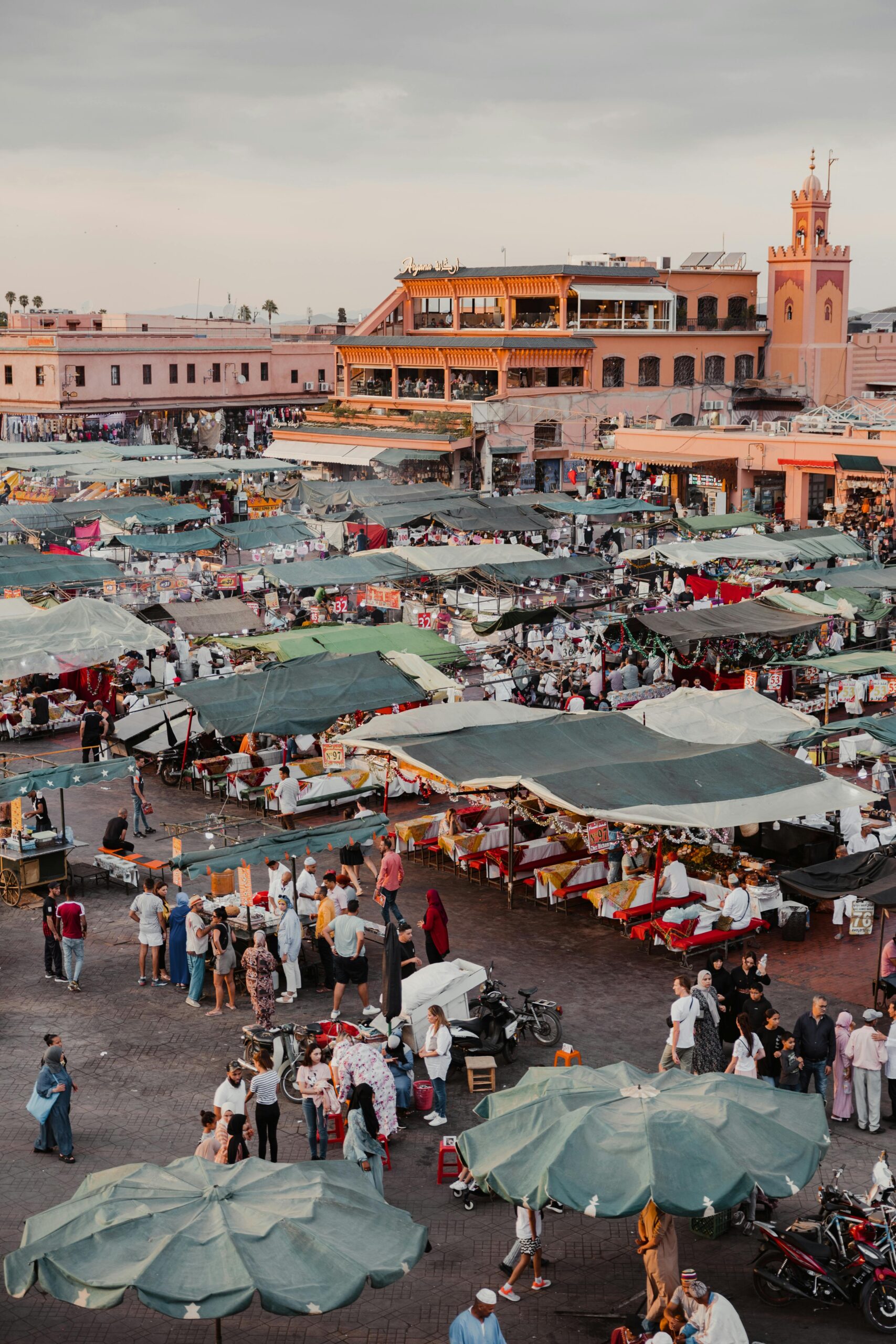
Seasonal Costs & Peak Travel Times in 2027
The time of year you visit Morocco has a big impact on how much you’ll spend. Prices change depending on the season, weather, and number of tourists.
The high season is usually from March to May and again from September to November. These months have the best weather, so hotels, flights, and tours are more expensive. Popular cities like Marrakech and Fes can get busy, and prices may rise quickly.
The summer months (June to August) are very hot, especially in desert areas and inland cities. Because of the heat, many hotels lower their prices, and you can find great deals. If you don’t mind the temperatures and plan activities early in the morning or evening, summer can be a very affordable time to visit.
The winter season (December to February) is cooler and quieter, except during holidays like Christmas and New Year. Prices are usually reasonable, and this is a great time to visit the desert or explore cities without big crowds.
Choosing the right season can help you save a lot while still enjoying everything Morocco has to offer.
Is Morocco Worth It? Final Verdict on Affordability in 2027
So, is Morocco expensive to visit in 2027? For most travelers, the answer is no. Morocco remains one of the best-value travel destinations in the world.
You can travel comfortably on a small budget, enjoy beautiful accommodation at fair prices, eat amazing food for very little money, and explore famous attractions without spending too much. At the same time, Morocco also offers luxury experiences that feel special but still cost less than in many other countries.
Whether you’re planning a short city break, a desert adventure, or a full cultural tour, Morocco gives you a lot for what you pay. With smart planning and the right choices, you can enjoy an unforgettable trip without breaking the bank.
Frequently Asked Questions About Travel Costs in Morocco (2027)
Is Morocco cheaper than Europe?
Yes, for most travelers, Morocco is much cheaper than many European countries. Hotels, food, transport, and entrance fees all cost less compared to places like France, Italy, or Spain. Even luxury experiences in Morocco often feel affordable when you compare them to European prices.
How much money do I need for a week in Morocco?
This depends on your travel style. On a budget, you can enjoy a full week in Morocco with around $250 to $350. A mid-range trip usually costs between $500 and $800, including hotels, food, transport, and a few tours. For a luxury trip, a week can easily go above $1,500, especially if you book private tours and high-end riads.
Is Marrakech more expensive than other cities?
Yes, Marrakech is usually one of the more expensive cities in Morocco because it’s very popular with tourists. Hotels, restaurants, and tours can cost more here than in places like Fes, Chefchaouen, or Meknes. That said, you can still find cheap food and budget accommodation in Marrakech if you look carefully.
Are desert tours worth the money?
For most travelers, yes desert tours are one of the highlights of visiting Morocco. Even the basic shared tours offer great value, including transport, meals, camel rides, and a night in the desert. If your budget allows, upgrading to a more comfortable or private tour can make the experience even more special.
Is it easy to travel Morocco on a tight budget?
Absolutely. Morocco is a very budget-friendly country. With cheap local food, affordable transport, and low entrance fees, you can explore a lot without spending much. Many backpackers and solo travelers manage very well here with limited budgets.




