

Morocco Safety Guide 2027 : Tips for Tourists, Solo Women & Families: Is Morocco Safe for Tourists in 2027
Is Morocco Safe for Tourists in 2027 ? Morocco is one of the safest and most welcoming countries in North Africa, and millions of travelers visit every year for its culture, history, and stunning landscapes. From the lively souks of Marrakech to the peaceful dunes of Merzouga, most visitors experience zero safety issues as long as they follow basic precautions.
Whether you’re planning a cultural trip, a city break, or a Sahara desert adventure, Morocco remains a safe and tourist-friendly destination in 2027 . In this guide, you’ll find practical safety information, real travel advice, and essential tips to help you explore confidently.
If you’re planning your trip, check out our Morocco tours for safe, guided, and well-organized experiences across the country.

Morocco Safety Overview (2027 Snapshot)
Morocco’s safety reputation has improved consistently over the years, making it one of the most stable travel destinations in the region. Tourism is a major part of the economy, so cities, hotels, transport services, and desert routes are well-prepared to accommodate travelers.
✔ Official Travel Advisory Levels
International advisories (US, UK, Canada, EU) generally classify Morocco as safe for travel with standard precautions. These advisories highlight common issues like petty theft in crowded markets, similar to many major tourist cities worldwide.
✔ Crime Rate & Tourist Security
Violent crime against tourists is extremely rare. Petty theft (pickpocketing, bag snatching, minor scams) may happen in busy medinas like Marrakech and Fes, but simple precautions significantly reduce the risk.
For a safer and more guided experience, many travelers choose structured itineraries like our Morocco desert tours where transportation, accommodations, and local guides are fully arranged.
✔ Overall Safety Score Compared to Other Countries
Morocco consistently ranks safer than:
- Egypt
- Tunisia
- Turkey
- Brazil
- Mexico
Tourist areas such as Marrakech, Fes, Chefchaouen, Casablanca, and the Sahara Desert remain calm, secure, and well-monitored by authorities.
If your itinerary includes long-distance travel, consider exploring our private Morocco tours for a fully safe and comfortable journey.
Common Safety Concerns for Tourists
Morocco is generally a safe place to travel, but like any popular destination, there are a few things travelers should be aware of. Most issues are minor and easy to avoid with basic awareness. This section covers the most common concerns visitors face, especially in busy cities and historic medinas.
Petty Crime (Pickpocketing & Bag Snatching)
Petty theft can occur in crowded places like the Marrakech medina, Jemaa el-Fnaa square, Fes el-Bali, and busy markets. Thieves usually target distracted tourists, open bags, or phones left on tables.
A simple approach solves 95% of risks: stay aware of your belongings, avoid putting your phone in your back pocket, and keep bags zipped.
Travelers who prefer full comfort and assistance often choose guided Morocco tours where a local expert handles navigation through busy areas.
Scams in Souks & Markets
Moroccan markets are vibrant, colorful, and exciting, but they can also be overwhelming for first-time visitors. Some sellers may quote very high prices, insist on guiding you somewhere, or claim an attraction is “closed” to redirect you to a shop.
These are common tourist tricks found in many countries. Stay polite, decline firmly when needed, and bargain confidently.
If you want a smoother experience, consider booking a private Morocco tour where you explore markets with a licensed local guide.
Fake Guides & Unofficial Touts
In historic cities like Fes or Marrakech, you may meet locals offering help with directions or offering to “show you the way.” Many are harmless, but some may request payment afterward.
Use licensed guides only, you can easily find them through hotels or in our curated Morocco guided tours collection.
Taxi Overcharging & Transport Issues
Some taxi drivers may try to overcharge or refuse to use the meter. This is one of the most common complaints tourists have.
Here’s how to avoid it:
- Ask the driver to use the meter.
- If they refuse, agree on a fair price before entering.
- Use official petite taxis in cities.
For long-distance routes, Marrakech to Merzouga, Casablanca to Chefchaouen, etc. using a professional service like our desert tours in Morocco ensures transparent pricing and safe transportation.
Harassment (Especially for Solo Female Travelers)
Women traveling alone may experience unwanted comments or attention, especially in tourist-heavy medinas. Physical harassment is rare, but verbal comments can happen.
Wearing modest clothing and avoiding isolated streets at night helps reduce attention.
A guided experience such as a private desert tour — offers added comfort and local support.
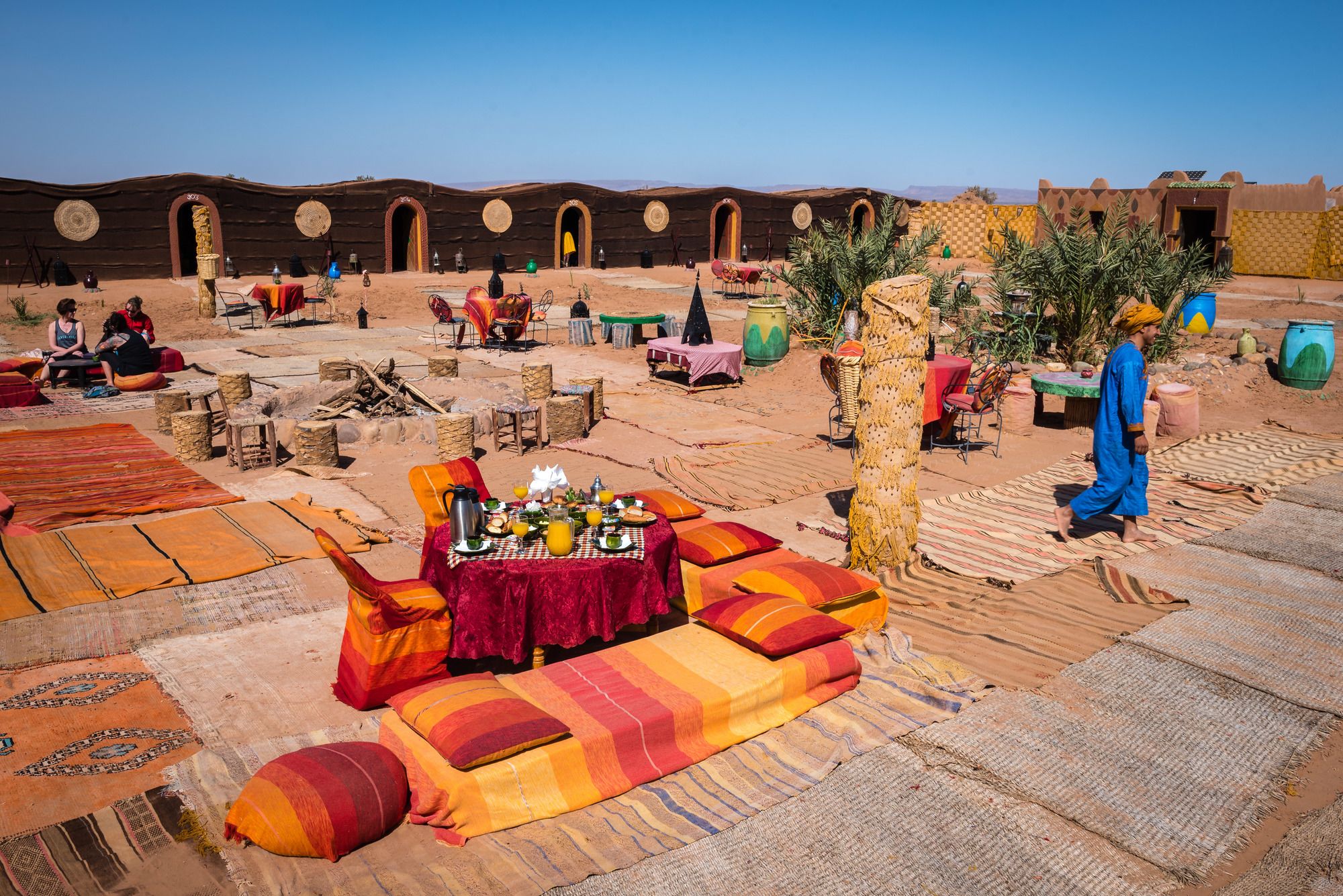
Natural Hazards & Desert Conditions
Morocco occasionally experiences natural events such as heatwaves, sandstorms, or rare earthquakes. Desert travel comes with its own challenges: intense heat, long distances, and remote landscapes.
Traveling with professionals is essential for desert trips. Our Sahara tours include 4×4 transportation, experienced drivers, and proper desert safety protocols.
Common Safety Concerns for Tourists in Morocco
While Morocco is generally safe, understanding the common issues tourists face will help you travel smarter and avoid unpleasant situations. Most challenges are minor and easily preventable with basic awareness, especially if you’re exploring cities like Marrakech, Fes, and Casablanca on your own.
For travelers who prefer a more secure, guided experience, our Morocco guided tours offer complete assistance, licensed drivers, and certified local guides.
Petty Crime (Pickpocketing & Bag Snatching)
Pickpocketing can occur in crowded medinas, busy markets, and tourist squares. It’s similar to Paris, Rome, and Barcelona, mainly opportunistic theft.
Tips:
- Keep your phone and wallet in zipped pockets.
- Use a cross-body bag.
- Avoid opening your bag in crowded alleys.
If you’re visiting the medina for the first time, joining a local city tour helps you explore safely and confidently.
Scams in Souks & Tourist Areas
Common scams include:
- “Closed shop” trick
- Overpriced items
- Unrequested “help” from strangers
- Children asking to show you directions
Tip: Politely say “La, shukran” (No, thank you).
A trusted guide eliminates 99% of scams—check our Marrakech tours for safe souk navigation.
Fake or Unlicensed Guides
Unlicensed guides (usually approaching you in medinas) may overcharge, mislead, or take you to shops where they earn commission.
To avoid this, always hire licensed guides included in our private Morocco tours.
Taxi Overcharging & Transport Problems
Some taxi drivers may refuse the meter or quote inflated prices, especially near tourist spots.
Tips:
- Ask to use the meter (“Compteur, s’il vous plaît”).
- Negotiate before entering if meter is off.
- Use official petit taxis only.
If you prefer stress-free transportation, our private transfers guarantee safe, clean vehicles with fixed pricing.
Harassment (Mostly Verbal, Not Physical)
Solo female travelers may experience occasional verbal comments or unwanted attention, especially in busy areas. It is generally harmless but uncomfortable.
Traveling with a guide or booking structured itineraries like our women-friendly Morocco tours significantly reduces this issue.
Natural Hazards (Desert, Mountains & Earthquakes)
Morocco’s landscape includes desert dunes, mountain roads, and occasional seismic activity.
Risks include:
- Getting lost in the desert
- Heat exhaustion
- Overnight temperature drops
- Rough mountain routes
Our experienced drivers and desert team on Sahara desert tours ensure a safe, well-managed journey.
City-by-City Safety Breakdown: Is Morocco Safe for Tourists in 2027
Morocco’s major cities are generally safe for tourists, but each destination has its own rhythm, crowd level, and type of travel experience. Here is a detailed look to help you choose where to go — and how to stay safe while exploring.
Marrakech Safety
Marrakech is the busiest and most visited city in Morocco. The Medina, Jemaa el-Fnaa, and the souks are vibrant, colorful, and safe for travelers, but they can be overwhelming for first-time visitors.
Common Issues:
- Persistent touts
- Minor scams (fake guides, “closed attraction” trick)
- Pickpocketing in crowded markets
Safety Tips:
- Stay alert in Jemaa el-Fnaa at night
- Use official guides for city tours
- Keep valuables hidden
For a smooth experience, many travelers explore with our guided Marrakech tours included inside our Morocco itineraries.
Fes Safety
Fes is known for its ancient Medina — one of the largest car-free areas in the world. While incredibly safe, the maze-like streets can confuse visitors.
Common Issues:
- Unofficial “helpers” offering directions
- Pushy shopkeepers
- Crowded alleys
Safety Tips:
- Ignore anyone trying to lead you unless they’re official
- Stick to main streets if alone
- Book a licensed guide to navigate the Medina safely
If you’re visiting Fes and heading south toward the Sahara, check our 3-day Fes to Merzouga desert tour for a safe, organized route.
Casablanca Safety
Casablanca is Morocco’s economic hub — modern, busy, and more urban than touristy. It’s generally safe with lower chances of scams compared to Marrakech or Fes.
Common Issues:
- Pickpocketing at night
- Taxi overcharging
Safety Tips:
- Use Careem or metered taxis
- Stay in well-reviewed hotels near Ain Diab or city center
Casablanca is often the starting point for our Morocco private tours, offering a safe and comfortable introduction to the country.

Chefchaouen & Tangier Safety
Chefchaouen (The Blue City):
One of the safest cities in Morocco, very calm and tourist-friendly. Crime is extremely low.
Tangier:
A coastal city with a European vibe. Safe overall but the port area can attract pickpockets.
Tips:
- Enjoy Chefchaouen without worry — extremely safe for solo travelers
- In Tangier, stay alert in the port and train station areas
Sahara Desert & Rural Areas
The Sahara Desert is very safe — especially when visiting with licensed tour operators.
Best Places:
- Merzouga
- Erg Chebbi dunes
- Zagora desert
Common Concerns:
- Heat & dehydration
- Getting lost if traveling alone
- Fake local “guides” offering camel tours
Safety Tips:
- Never enter the desert without a licensed tour company
- Carry water, sunscreen, and proper clothing
- Use 4×4 vehicles for long desert routes
For a safe desert experience, our Sahara desert tours include professional drivers, camps, and full safety support.
Is Morocco Safe for Solo Female Travelers?
Many women wonder if Morocco is safe to explore alone. The good news is that solo female travelers can safely enjoy Morocco with some common-sense precautions. Moroccan cities and tourist areas are accustomed to international visitors, and most interactions are friendly. However, understanding cultural norms and being aware of potential risks can make your trip smoother.
What to Expect: Is Morocco Safe for Tourists in 2027
- Moroccan culture is generally conservative. Solo women may receive stares or unsolicited attention, especially in crowded markets.
- Harassment is rare in hotels and official tourist areas, but it can occur in public streets.
- Dressing modestly, such as covering shoulders and knees, shows respect and reduces unwanted attention.
Safety Tips for Women
- Stay in safe accommodations: Book hotels, riads, or guesthouses with good reviews. Check our Morocco accommodation guide for trusted options.
- Use licensed guides: Never accept street offers; book through reputable operators. See our Morocco guided tours.
- Travel in groups when possible: Day trips with groups are safer and more enjoyable.
- Avoid walking alone at night: Stick to busy, well-lit streets.
- Blend in with local customs: Avoid flashy jewelry or large amounts of cash.
Dress Code & Respecting Local Culture
- Cover shoulders and knees in public spaces.
- Wear light, breathable fabrics suitable for Moroccan weather.
- A scarf can be useful when visiting religious sites.
By respecting cultural norms, solo female travelers can explore cities, markets, and even desert areas safely.
Final Verdict – Should You Travel to Morocco?
Morocco is generally safe for tourists, including solo travelers, families, and adventure seekers. While petty theft, minor scams, and cultural differences exist, most visitors enjoy trouble-free trips by taking simple precautions:
- Choose trusted accommodations and guided tours
- Stay aware in crowded areas and medinas
- Respect local customs and dress codes
- Use reliable transportation and licensed guides
With proper preparation, Morocco offers a rich cultural experience, stunning landscapes, and unforgettable memories. For a safe and memorable journey, explore our Morocco tours and Sahara desert adventures.
FAQs: Is Morocco Safe for Tourists in 2027 ?
Q1: Is Morocco safe at night?
A: Major tourist areas are generally safe after dark, but avoid isolated streets. Stick to well-lit areas and use reputable transport.
Q2: Can I walk alone in Marrakech or Fes?
A: Yes, during the day in busy areas. At night, it’s safer to travel with a guide or in groups.
Q3: Is the Sahara Desert safe to visit?
A: Absolutely, if you travel with licensed tour operators and follow safety guidelines, including carrying water and sun protection.
Q4: Are tourists frequently scammed in Morocco?
A: Scams exist, especially in crowded markets or with unlicensed guides. Awareness and common-sense precautions prevent most issues.
Q5: Is Morocco safe for families and children?
A: Yes. Families can enjoy Morocco safely by staying in secure accommodations, using guided tours, and avoiding high-risk areas.
Q6: Do I need travel insurance for Morocco?
A: Travel insurance is highly recommended for medical emergencies, theft, or unforeseen incidents. See our travel tips for guidance.